Running Arm Sleeves: Sun Protection, Warmth, or Just Looks?
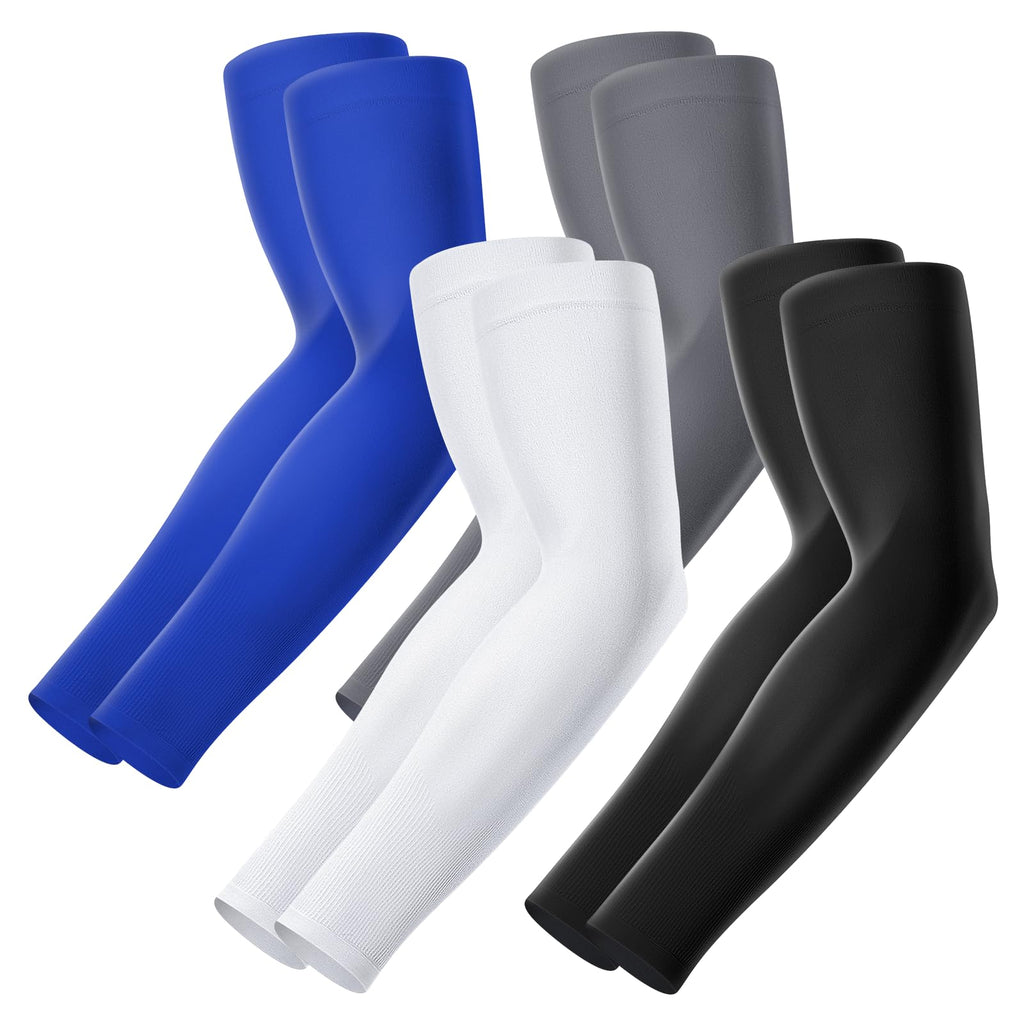
Running arm sleeves provide UPF 50+ sun protection, light warmth for 40–55°F mornings, and sweat management. Compression performance gains are subjective at best.
What do running arm sleeves actually do?
At the most basic level, a running arm sleeve is a tube of stretchy fabric designed to cover the arm from the wrist to the bicep. While some runners view them as fashion accessories, they function primarily as technical gear for environmental management. Advanced models prioritize moisture-wicking properties, UV-blocking fibers, or thermal insulation, depending on the intended climate.
Comparison: Sun Protection vs. Thermal vs. Compression Sleeves
Understanding which sleeve type matches your needs is essential for effective gear selection.
| Feature | Sun Protection Sleeves | Thermal Sleeves | Compression Sleeves |
|---|---|---|---|
| Primary Goal | UV radiation blocking | Heat retention | Muscle support |
| Fabric Type | Lightweight, breathable | Brushed fleece or thick | High-density elastic |
| Best Condition | High-sun, hot weather | 40°F–55°F mornings | Post-run recovery |
| Key Limitation | No thermal insulation | Can cause overheating | Minimal performance gain |
> Data verification date: 2026-09-16. Sources are based on product specifications from the Finvizo catalog.
Sun Protection: The UPF 50 Reality Check
Sunscreen on arms during long runs is often unreliable due to sweat and friction. UPF 50 arm sleeves block 98% of UV radiation consistently, providing a physical barrier that does not wash off during a workout. I have found that wearing Finvizo UPF 50 arm sleeves on summer runs over five miles significantly reduces the need for frequent sunscreen reapplication. Contrary to the belief that black fabric increases heat, these sleeves are engineered to wick sweat and promote airflow, keeping arms drier and cooler than bare skin exposed to direct sunlight.
Warmth Without the Bulk: Cold Morning Runs
Arm sleeves provide a practical solution for transitional weather, such as 45-degree mornings where a full long-sleeve shirt might lead to overheating. They allow for rapid temperature regulation; you can easily pull them down to your wrists or store them in a pocket once your body temperature rises.
Step 1: Assess the temperature
Determine if you need wind-blocking thermal protection or simply a light layer to take the chill off the morning air.
Step 2: Check for grip
Ensure the sleeves have a secure elastic or silicone band at the bicep to prevent sliding during arm movement.
Step 3: Layering
Wear them under a short-sleeve race shirt to maintain warmth at the start line, then adjust as needed throughout your run.
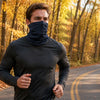
For those who need a complete kit, the neck gaiter and arm sleeves set offers a cohesive solution for varying conditions.
Compression, Looks, and the Placebo Effect
The scientific literature regarding compression sleeves and performance enhancement is mixed. While some studies suggest potential recovery benefits, there is little evidence that they significantly improve speed during a run. However, they may offer a mild proprioceptive benefit by increasing awareness of arm position. Many runners also value the psychological confidence boost that comes with a professional aesthetic, which can be a valid reason for their use.
How to Choose Sleeves That Fit Your Running Routine
When selecting your gear, follow these guidelines to ensure comfort and effectiveness:
- Prioritize UPF rating: Look for certified UPF 50+ protection for summer runs.
- Consider the fit: Measure your bicep circumference. A proper fit should be snug but not restrictive. If you are between sizes, size down for compression and up for airflow.
- Check the material: Opt for nylon-spandex blends with flatlock seams to prevent chafing during long-distance efforts.
- Evaluate length: Full-length sleeves provide maximum sun coverage, while three-quarter sleeves are often more comfortable for thermal regulation.
When to Skip Arm Sleeves
Arm sleeves are useful tools, but they are not the right answer for every run. Knowing when to leave them at home saves you from carrying gear you will never pull on.
- Hot and humid rain: Once sleeves are saturated, they lose most of their thermal benefit and cling uncomfortably. In warm rain, bare skin with waterproof sunscreen on exposed areas is usually the more comfortable setup.
- Truly cold conditions below 40°F: Sleeves are a transitional-weather layer. When temperatures drop well below the 40°F–55°F comfort window, your arms need real insulation. A long-sleeve thermal top or a light jacket does the job sleeves cannot.
- Short, easy recovery jogs: On a 20-minute relaxed loop around the neighborhood, the sun exposure and temperature swing rarely justify extra gear. Save the sleeves for longer efforts where protection actually matters.
- Poor fit: If a sleeve is tight enough to leave deep marks or restrict circulation, it is doing harm, not good. Sizing problems are the most common reason runners give up on sleeves entirely, so measure your bicep before ordering.
In my own testing, sleeves earn their place on runs longer than about 45 minutes in direct sun, or on chilly mornings that warm up fast. Outside of those two windows, I leave them in the drawer.
Deep Dive: The Science of Fabric and Performance
Beyond the basics of sun protection and warmth, the material science behind modern running sleeves has evolved. High-performance sleeves utilize moisture-wicking synthetic fibers that move sweat away from the skin's surface. This process is critical because it facilitates evaporative cooling. When sweat evaporates from the fabric rather than sitting on your skin, you feel significantly cooler.
Many runners overlook the importance of flatlock stitching. In high-repetition sports like running, where your arms swing thousands of times per hour, traditional raised seams can lead to painful skin irritation. Sleeves designed for endurance athletes typically feature flatlock or seamless construction to mitigate this risk.
Furthermore, the integration of spandex or elastane allows the sleeves to maintain their shape over time. Without these elastic components, sleeves would quickly stretch out, lose their compression properties, and slip down the arm. This is why it is vital to follow care instructions, such as air drying, to preserve the integrity of the elastic fibers. Heat from a dryer can break down these polymers, leading to a loss of elasticity and a shorter product lifespan.
FAQ
Do running arm sleeves actually keep you cooler in hot weather?
Yes, lightweight UPF sleeves can help you feel cooler by wicking sweat away from the skin and creating a protective barrier against direct sunlight, provided they are made of breathable, moisture-wicking fabric.
How do I keep arm sleeves from sliding down during a run?
Look for sleeves with a silicone grip strip or high-quality elastic band at the top opening. Proper sizing is the most effective way to prevent sliding; if they are too loose, they will naturally migrate downward.
Can I wear arm sleeves in the rain?
Yes, though they lose most of their thermal benefit when saturated. Synthetic fabrics generally dry quickly, but you should avoid cotton-blend sleeves, which stay heavy and cold when wet.
Are arm sleeves UPF protection enough, or do I still need sunscreen?
UPF 50 sleeves block 98% of UV rays in the areas they cover, which is highly effective. However, you still need to apply sunscreen to exposed areas like your neck, face, and hands.
How do I wash running arm sleeves without damaging them?
Machine wash in cold water and air dry. Avoid fabric softeners, as they can clog the moisture-wicking fibers and reduce the effectiveness of the fabric over time. Skip the dryer entirely, since heat breaks down the elastic fibers and shortens the lifespan of the sleeves.
For additional tips on managing heat, see our guide on running in the heat: 7 ways to stay cool. If you are running in low-light conditions, consider pairing your sleeves with reflective running gear for increased visibility. If you are also looking for face and neck coverage, our guide on choosing a neck gaiter for running provides further insight into staying protected on the trail.
Related reading
- Volleyball Arm Sleeves: Why Players Wear Them & Top Picks
- Do Arm Sleeves Actually Keep You Cool? Here's the Science
- Football Arm Sleeves: Grip, Turf Burn & Sun Picks

Vivian J is a Product Manager at Finvizo and an avid outdoor enthusiast. She tests gear on real trails and writes from hands-on field experience to help readers choose equipment that performs reliably outdoors.