Neck Gaiter vs Running Scarf vs Balaclava
Neck gaiters are the default for most runners—sweat-wicking, bounce-free, and breathable at pace; balaclavas are for sub-15°F wind chills, and woven scarves are best avoided due to moisture and fit issues.
Understanding Running Neckwear
Running in real cold? Our neck gaiter vs scarf for winter running guide covers sub-freezing specifics. This page stays focused on the three-way choice—gaiter, running scarf, or balaclava—for everyday runners.
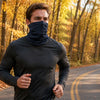
A neck gaiter is a seamless, tubular fabric accessory designed to provide versatile protection for the neck, face, and head during outdoor activities. Many runners search for "running scarves" when they are actually looking for technical, tube-style neck gaiters or thermal fleece warmers that stay securely in place without the flapping or moisture-soaking issues of traditional woven scarves. I am Vivian, a product manager at Finvizo, and I log most of my miles before sunrise. My time on the road has taught me that the right gear choice is dictated by the thermometer and the intensity of the workout. If you are still deciding whether you even need one, start with my earlier piece on why do runners wear neck gaiters.
Key Specifications for Running Neckwear
The following table outlines the technical specifications for various Finvizo neckwear options, providing clarity on how these accessories perform under different environmental conditions.
| Product Type | Primary Function | UPF Rating | Typical Use Case |
|---|---|---|---|
| Cooling Neck Gaiter | Moisture-wicking / Sun protection | UPF 50+ | Summer running, trail protection |
| Winter Fleece Neck Gaiter | Wind resistance / Thermal insulation | N/A | Cold-weather training (20–45°F) |
| Winter Balaclava | Full head/face coverage | N/A | Sub-freezing / Brutal wind |
> Data verified as of September 16, 2026. Sources: Cooling Neck Gaiter 4-Pack, Winter Neck Gaiter Reflective 4-Pack, and Winter Balaclava Ski Mask.
Neck Gaiter vs. Running Scarf vs. Balaclava Comparison
When choosing between these three options, consider how each design interacts with your body heat, sweat, and the local climate. The table below compares these items across critical performance dimensions.
| Dimension | Lightweight Neck Gaiter | Fleece Neck Warmer | Balaclava |
|---|---|---|---|
| Best Temp Range | 45–95°F | 20–45°F | Below 15°F |
| Breathability | Excellent | Good | Fair |
| Mid-run Venting | Easy (Pull down) | Possible (Bulky) | Difficult |
| Sweat Handling | Wicking/Evaporative | Variable | Can get clammy |
| Best For | Sun/Dust/Pollen | Winter base miles | Bitter cold/Exposure |
> Data verified as of September 16, 2026. Limitations: Performance can vary based on individual exertion levels and specific fabric composition.
The Versatility of the Neck Gaiter
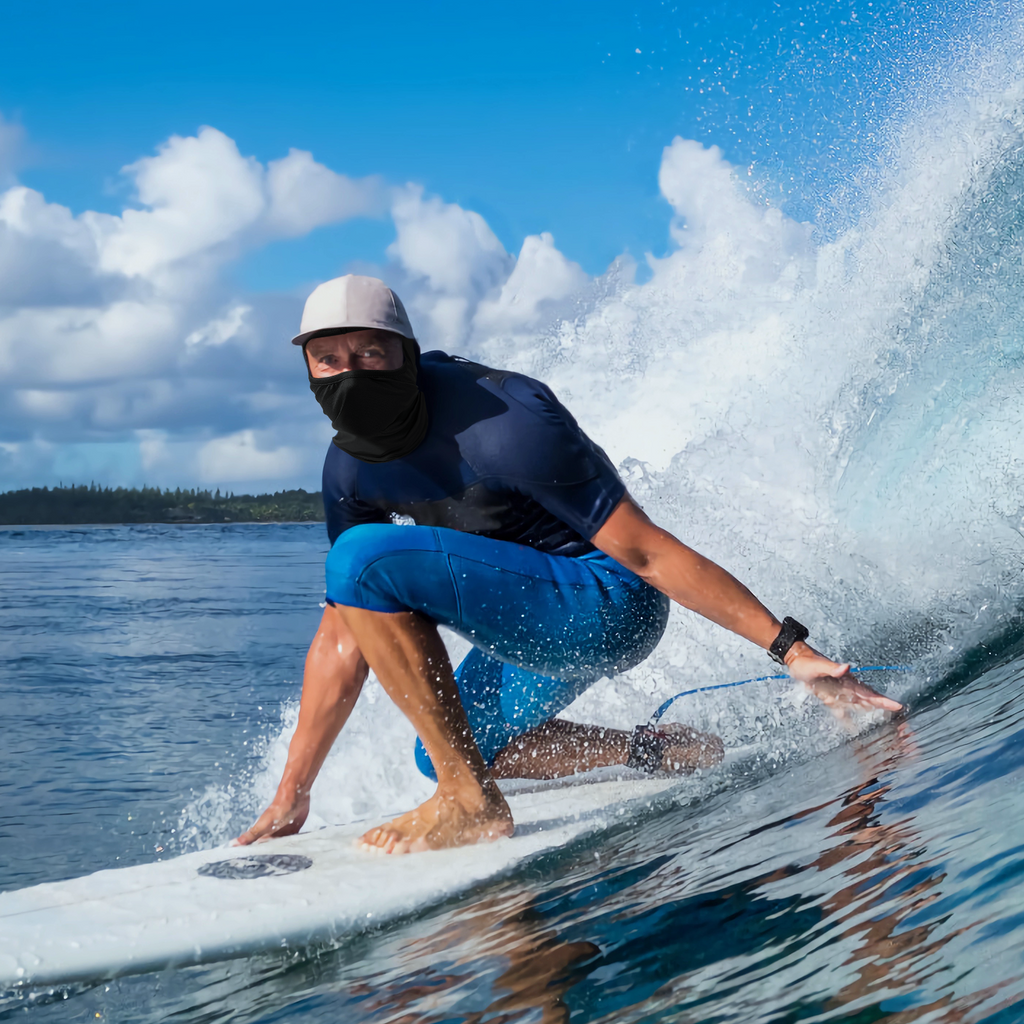
A neck gaiter serves as the four-season default for most runners because it offers a seamless, stretchy design that adapts to changing needs. In the heat of summer, a lightweight piece like our cooling neck gaiter 4-pack provides UPF 50+ sun protection and facilitates evaporative cooling when dampened. During the transitional months, it remains the most versatile tool in a runner's kit, easily pulled up to cover the ears or nose as conditions dictate. For those interested in deeper protection on rugged paths, my guide on trail running face and neck protection covers how to manage debris and changing trail conditions.
One underrated advantage of the tube design is how many jobs it does in a single season. On spring high-pollen days I pull it over my nose to filter the air; on dusty gravel roads it keeps grit out of my mouth; on exposed summer ridges it is the only thing standing between my neck and a sunburn. Because it sees so much use, I rotate two or three gaiters and wash them after every run. They dry in a couple of hours on a towel rack, and a lightweight synthetic gaiter easily survives a full season of near-daily washing before the elastic starts to relax.
Fleece Neck Warmers: Winter's Middle Ground
Fleece neck warmers, often marketed as winter running scarves, are designed for the bulk of winter training when temperatures range between 20 and 45 degrees Fahrenheit. These pieces offer increased insulation and wind resistance compared to summer gaiters. For early morning or late evening sessions, visibility is paramount; our winter neck gaiter reflective 4-pack is specifically engineered with high-visibility features to ensure runners remain noticeable to drivers during low-light hours. If your winter training continues in sub-freezing temperatures, our article on neck gaiter vs scarf for winter running provides additional details on layering and fabric weights.
Fit matters more with fleece than with lightweight summer fabric. A fleece warmer that is too loose slides down every quarter mile, and one that is too tight feels restrictive when your breathing gets heavy on hills. I anchor mine by pulling the top edge over the bridge of my nose for the first cold mile, then dropping it below my chin once my core temperature climbs. That single adjustment is why I reach for a gaiter instead of a scarf: a woven scarf has exactly one position, and it is usually the wrong one by mile two. Moisture is the other winter variable. Fleece holds less water than wool or cotton, but any fabric pressed against your mouth will eventually dampen from breath condensation, so I carry a spare in my vest pocket for runs longer than an hour.
Balaclavas: For the Brutal Days
A balaclava is the heavy-duty solution for extreme cold and high-wind environments where a gaiter or scarf is insufficient. It provides comprehensive coverage for the head, neck, and face, leaving only the eyes exposed. While it is highly effective for conditions below 15 degrees, it can trap heat rapidly during high-intensity efforts. For those venturing into such conditions, our winter balaclava ski mask offers a breathable design that layers effectively under clothing.
There is one trade-off nobody mentions until you learn it the hard way: condensation. In single-digit temperatures, the moisture from your breath freezes on the inside of the face panel within twenty to thirty minutes, and a frozen crust against your cheeks is miserable. The fix is a balaclava with a hinged or overlapping mouth panel that lets you drop the lower section on climbs and pull it back up on descents. I also size mine to sit snug rather than tight, because a balaclava stretched thin over the nose and cheeks insulates noticeably worse than one with a small pocket of trapped air. Reserve this piece for the days when the forecast genuinely calls for it; on a 30°F tempo run it will have you unzipping and overheating before the warmup is done.
How to Choose Your Running Gear
Selecting the right accessory depends on your specific environment and training habits. Follow these steps to determine your needs:
Step 1: Evaluate your local climate
Determine the temperature range of your typical runs. If you mostly run in the summer, focus on UV protection. If your training is primarily in the winter, prioritize thermal insulation and wind resistance.
Step 2: Consider your timing
If you run during pre-dawn or post-sunset hours, prioritize gear with reflective elements. Visibility is a critical safety factor that should outweigh fabric weight for those running near traffic.
Step 3: Assess your heat tolerance
Runners who overheat easily should choose the lightest possible layer that meets the weather requirements. For those who run hot, a balaclava should be reserved only for the most severe, sub-freezing conditions.
Step 4: Test your venting plan before race day
Whatever you choose, practice adjusting it at race effort before the event itself. On a training run, rehearse pulling the gaiter down for hard segments and back up for recovery jogs until the motion is automatic. Gear you have to think about mid-race is gear you will abandon at mile three, and a discarded layer does you no good when the wind picks up on the back half of the course.
One note on terminology: if you arrived here searching for running scarves, you are in the right place — most runners use the term loosely for any neck layer, from tube-style gaiters to drape-cut fleece scarves. For cool-weather training above freezing, the gaiter and scarf options in the comparison above will cover you. If your miles are consistently below freezing, our winter running guide goes deeper on insulated fabrics and wind protection.
FAQ
Is it weird to run with a scarf?
A traditional woven scarf is impractical for running because it is prone to flapping and moisture retention, but a tube-style fleece neck warmer marketed as a running scarf is standard, functional winter gear.
Are neck gaiters good for running in summer?
Yes, provided you choose a lightweight, moisture-wicking fabric with a UPF 50+ rating, which helps protect your skin from sun exposure and assists in evaporative cooling.
What is the difference between a neck gaiter and a balaclava?
A neck gaiter is an open tube that covers the neck and lower face, whereas a balaclava is a fitted hood that covers the entire head and neck, leaving only the eyes and mouth exposed for maximum warmth.
How do I keep my neck gaiter from slipping while running?
Ensure you select a gaiter with high spandex content for grip, and pull the top edge high enough to hook over the bridge of your nose or cover your ears, which helps anchor the fabric in place.
Do runners wear balaclavas in races?
Balaclavas are generally used for training in bitter cold rather than races, as they can cause overheating during high-intensity race efforts; a lightweight gaiter is typically the preferred, more adjustable choice.
Related reading
- Running Neck Warmers for Fall
- Ski Neck Warmer Guide
- Neck Gaiter vs Neck Warmer: What's the Difference?

Product Manager at Finvizo and an avid camper who tests gear on real trails. She writes from hands-on field experience to help you pick equipment that actually holds up outdoors.