Running in the Heat: 7 Ways to Stay Cool on Summer Runs
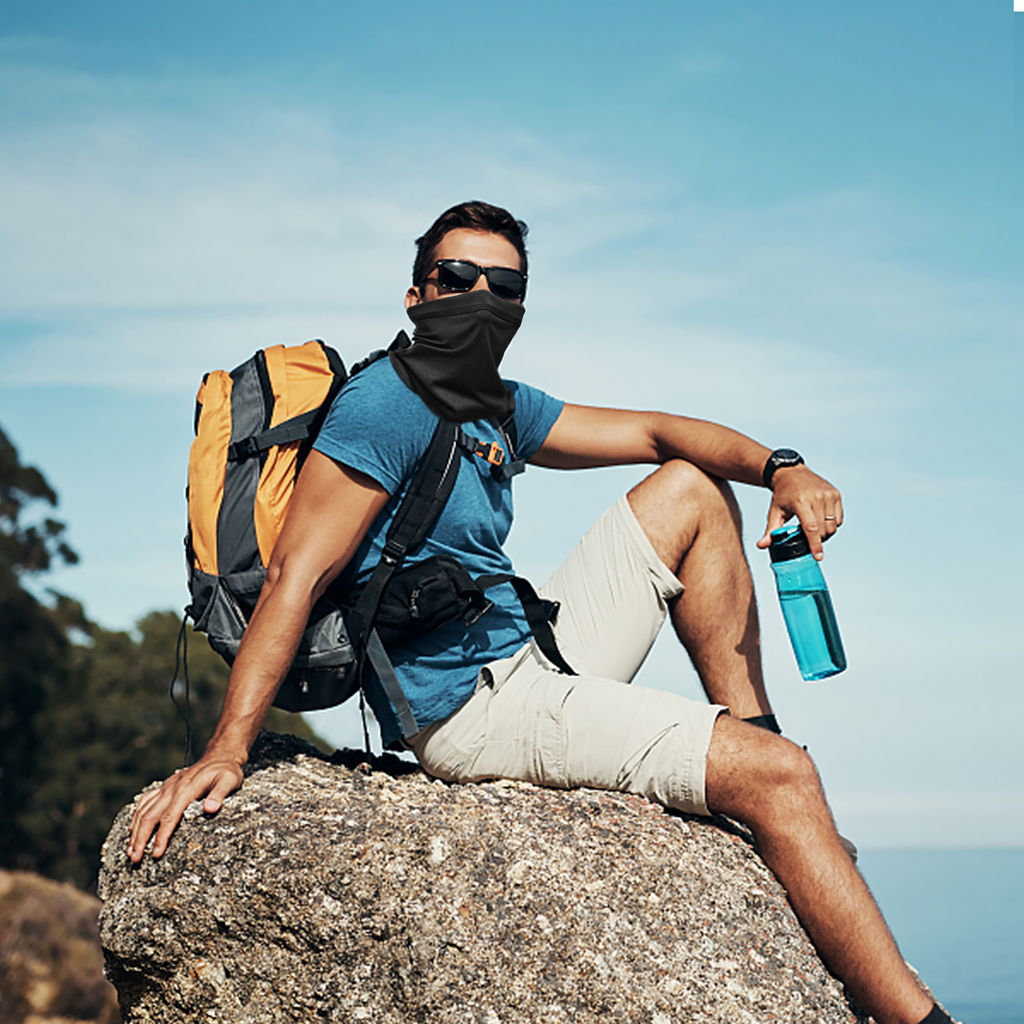
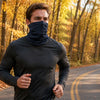
Last August I bonked so hard on a 10-miler that I had to walk the final two miles home. The temperature was 91°F, humidity was pushing 75%, and I thought I was being tough by skipping my usual cooling gear. By mile six, my heart rate was 15 beats above normal, my shirt was soaked but not cooling me, and I started seeing spots. That run taught me that running in the heat isn't about mental toughness—it's about physics and preparation. Since then, I've tested every cooling trick I could find, and these seven methods are the ones that actually keep me moving when the asphalt is melting. If you're wondering whether coverage even helps in summer, runners wear neck gaiters for more reasons than just winter warmth, and the cooling versions are game-changers when the mercury climbs.
1. Pre-Cool Your Body Before You Step Out the Door
The single biggest mistake I see summer runners make is starting hot. Your body is already at baseline temperature when you walk outside into 90-degree air. Within ten minutes, you're overheating because your muscles are generating heat on top of the ambient temperature, and your sweat hasn't kicked into full evaporation mode yet.
I now pre-cool for 10-15 minutes before every hot run. This means drinking ice-cold water, standing in front of a fan in minimal clothing, and sometimes draping a Finvizo cooling towel around my neck while I lace up. The science behind this is straightforward: lowering your skin and core temperature before exercise extends the time it takes to reach your critical heat threshold. Studies on pre-cooling show it can improve performance in hot conditions by 3-7%, which doesn't sound like much until you're trying to hold marathon pace at mile 18.
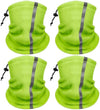
One trick I learned from a triathlete friend: freeze a damp neck gaiter overnight. In the morning, put it on frozen. It thaws over the first 20 minutes of your run, giving you a portable ice pack that doesn't bounce or chafe. The Finvizo cooling neck gaiter fabric is thin enough that it doesn't feel bulky when frozen, and the moisture-wicking properties mean it transitions smoothly from ice-cold to evaporative cooling as you heat up.
2. Wear Light-Colored, UPF-Rated Coverage (Yes, Really)
This one sounds counterintuitive. Most people think less clothing equals cooler running. In dry heat, that can be true. But in humid conditions—or anywhere the sun is intense—exposed skin absorbs radiant heat faster than lightweight, breathable fabric blocks it. Dark, sunburned skin is actually hotter than skin protected by a thin white gaiter.
I used to run in just a sports bra and shorts on the hottest days. Then I started tracking my perceived exertion with and without arm sleeves. On identical 85-degree routes, my RPE was consistently 1-2 points lower when I wore Finvizo UPF 50+ arm sleeves and a white cooling gaiter. The white fabric reflects sunlight, while the UPF rating blocks the UV that would otherwise heat my skin directly. The compression also improves circulation, which helps with heat dissipation.
The key is fabric weight. You want paper-thin, not thick. Finvizo summer running gear uses a polyester-spandex blend that's lighter than most running singlets I've owned. I can see my hand through it when I hold it up to a light. If your coverage feels like a wet blanket, you're wearing the wrong gear—not too much gear.
3. Wet Your Gaiter at Every Water Stop
Evaporative cooling is your best friend in the heat, and a wet gaiter amplifies it dramatically. Here's how I do it on long summer runs: I carry a handheld bottle or plan my route past drinking fountains. Every 15-20 minutes, I pour water over my neck gaiter until it's saturated. The evaporation from the fabric pulls heat away from my carotid arteries, which are close to the surface of your neck and act like a radiator for your brain.
This trick is especially effective on bike paths and trails where you can predict water access. I've also run loops past my house and left a cooler on the porch with ice water and spare gaiters. Swapping a hot, dry gaiter for a cold, wet one mid-run feels like stepping into air conditioning for about ten minutes.
If you're doing a race in the heat, plan your gear accordingly. I wore a Finvizo neck gaiter during a July half-marathon where temperatures hit 88°F by the finish. At every aid station, I grabbed two cups—one to drink, one to dump over my head and neck. The gaiter held the water instead of letting it run straight down my shirt, keeping the cooling effect localized where it mattered most. I finished without heat cramps, which was more than I could say for a lot of runners that day.
4. Slow Down and Adjust Your Expectations
This is the tip nobody wants to hear, but it's the most important one. Heat slows every runner. The generally accepted rule is to add 1.5-3% to your pace for every 10 degrees above 60°F. At 90°F, your easy run pace might be 30-60 seconds per mile slower than it is in perfect conditions. That's not a fitness loss; it's your body protecting itself.
I used to fight this. I'd look at my watch, see 9:30 pace on what should be an easy 8:45 run, and push harder to "make up" the time. That approach led directly to the bonk I described at the start. Now I run by effort, not pace, when it's over 80°F. If my breathing is comfortable and I can speak in full sentences, I'm going the right speed. The fitness adaptation still happens; you're just doing it in tougher conditions.
Heart rate is a more reliable metric than pace in heat. Your heart has to work harder to pump blood to the skin for cooling, which means the same perceived effort produces a higher HR. I cap my summer easy runs at 150 bpm instead of the 145 I'd aim for in cooler weather. If that means walking up hills, I walk up hills. There's no prize for being the most dehydrated person on the trail.
5. Time Your Runs and Route for Shade
I used to run at noon because it fit my lunch break. Now I wake up at 5:30 AM in the summer, not because I'm a morning person, but because running before sunrise is 15-20 degrees cooler than running at midday. The difference between 72°F and 88°F is the difference between a productive training run and a survival shuffle.
If early morning isn't an option, evening runs after 7 PM can work, but be aware that pavement and asphalt hold heat for hours. A road that was baking in 95-degree sun all afternoon might still be radiating 110°F surface temperature at 6 PM. I check the pavement with my hand before heading out. If I can't hold it comfortably for ten seconds, I switch to a grass or trail route.
Route planning matters too. I map my summer runs to maximize tree cover, even if it means adding hills or running shorter loops. A shaded trail at 85°F feels dramatically different from an exposed road at 85°F. The radiant heat from direct sun is often what pushes you over the edge, not the air temperature itself.
6. Hydrate Smarter, Not Just More
Chugging a liter of water right before you run isn't helpful. Your kidneys will process most of it before your muscles need it, and you'll end up with sloshing stomach and a bathroom emergency. The smarter approach is to start hydrating the day before a hot run and continue throughout the day.
I aim for pale yellow urine as my baseline indicator. On summer running days, I add electrolytes to at least one bottle, because plain water without sodium can actually lead to hyponatremia if you're sweating heavily for more than an hour. I use a handheld bottle with an electrolyte tab for anything over 45 minutes, and I sip small amounts every 10-15 minutes rather than gulping at mile markers.
Post-run hydration is where a lot of runners mess up. I weigh myself before and after long hot runs. For every pound lost, I drink 16-20 ounces of fluid over the next few hours, with sodium included. Chocolate milk has become my secret weapon—it has the ideal 3:1 carb-to-protein ratio for recovery, plus sodium and potassium for electrolyte replacement.
7. Know the Warning Signs of Heat Illness
Heat exhaustion and heat stroke are real risks for summer runners, and the line between "uncomfortably hot" and "medical emergency" can be thin. I learned to recognize the early warning signs after a training partner developed heat exhaustion on a long run. She went from "feeling off" to vomiting and confusion in about 15 minutes.
The red flags I watch for: dizziness, nausea, headache, muscle cramps that don't resolve with slowing down, and cessation of sweating (which indicates your body's cooling system has failed). If you stop sweating and your skin feels hot and dry, that's heat stroke territory—call 911 immediately.
My personal rule: if I feel nauseous during a hot run, I walk immediately. No negotiation. Nausea is often the first sign that your gut is shutting down blood flow to redirect it to cooling, and pushing through it leads to vomiting and dehydration. I've abandoned more than one run at mile three because my stomach felt queasy. Every time, I was glad I did.
FAQ: Running in Hot Weather
Is it safe to run when it's over 90°F?
It can be, with proper precautions. Pre-cool, reduce intensity, wear light UPF coverage, and stay hydrated. If humidity is also high, consider moving your workout indoors or to a shaded trail.
Does wearing more clothing in summer make you hotter?
Not if you choose the right fabric. Lightweight, breathable, light-colored UPF 50+ fabrics can actually keep you cooler than exposed skin by reflecting sunlight and enabling evaporative cooling. The key is avoiding cotton and thick materials.
How often should I drink water on a hot run?
Sip small amounts every 10-15 minutes rather than waiting until you're thirsty. For runs over an hour, include electrolytes. A good target is 4-8 ounces every 15-20 minutes, adjusted for your sweat rate.
What's the best cooling gear for summer runners?
A cooling neck gaiter, UPF 50+ arm sleeves, and a handheld bottle with electrolytes form the core of my hot-weather kit. The Finvizo cooling neck gaiter is particularly effective because it stays wet longer than a cotton bandana and blocks UV at the same time.
Should I adjust my training pace in the heat?
Yes. Expect to run 30-90 seconds per mile slower in hot conditions, depending on temperature and humidity. Train by effort or heart rate rather than pace to avoid overexertion.
Can I acclimate to running in the heat?
Yes, but it takes 7-14 days of consistent exposure. Your body adapts by increasing plasma volume and sweat rate. Start with shorter, slower runs and gradually build duration and intensity as your body adjusts.
For more on how to use cooling gear during race season, check out our guide on choosing a bounce-free neck gaiter for running. And if you're training for a fall marathon, don't miss our cooling towel strategy for marathon day.
Related reading
- Neck Gaiter vs Running Scarf vs Balaclava
- Running Arm Sleeves: Sun Protection, Warmth, or Just Looks?
- Winter Running Face & Neck Protection: A Practical Guide

Vivian J is a Product Manager at Finvizo and an avid outdoor enthusiast. She tests gear on real trails and writes from hands-on field experience to help readers choose equipment that performs reliably outdoors.