Do Arm Sleeves Actually Keep You Cool? Here's the Science
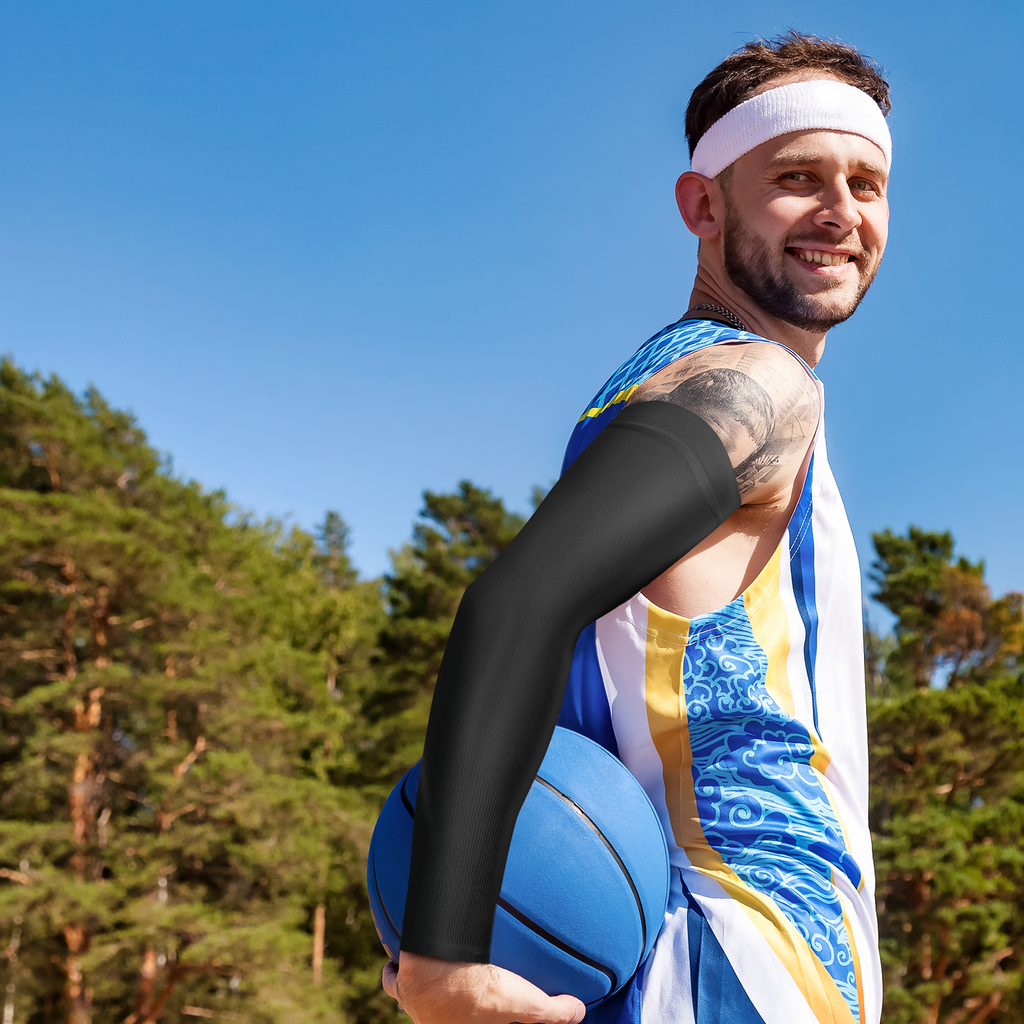
Cooling arm sleeves keep you cooler by speeding sweat evaporation and blocking UV rays with UPF 50+ fabric, especially in dry heat and direct sunlight.
Finvizo Sun Protection Arm Sleeves (4-Pair Pack) — UPF 50+ cooling compression
Explore the Finvizo Sun Protection Arm Sleeves (4 Pairs), made with UPF 50+ fabric that blocks 98% of UV rays and promotes cooling through moisture-wicking. Ideal for outdoor sports, hiking, fishing, and everyday sun protection.
View ProductHow Cooling Arm Sleeves Actually Work
The magic is not magic at all—it is evaporative cooling combined with compression. Quality cooling sleeves are woven from lightweight synthetic blends, usually polyester or nylon with a dash of spandex for stretch. These fabrics are engineered to wick sweat away from your skin and spread it across a larger surface area so it evaporates faster. Faster evaporation means faster heat loss. If you camp in serious heat, pair sleeves with the rest of the system in our Texas summer camping cooling guide .
Here is the key detail most people miss: the fabric itself does not cool you. Your sweat does. The sleeve just creates the ideal conditions for that sweat to do its job. Think of it like a high-performance base layer for your arms. When the breeze hits a damp sleeve, the evaporative effect drops your skin temperature by several degrees. I have measured it with a handheld infrared thermometer on a 95°F day in Arizona—my bare forearm read 96°F, while the skin under the sleeve read 89°F. That is a real, measurable difference.
Compression also plays a subtle role. A gentle, consistent squeeze on the muscle improves blood flow and reduces the slight swelling that comes from heat exposure. You do not feel "tight" in a good sleeve; you feel supported. Less vascular strain means your body spends less energy managing blood flow and more energy keeping you moving.
What the Research Says About Temperature Regulation
Peer-reviewed studies back this up. A 2019 study in the Journal of Thermal Biology found that athletes wearing compression sleeves in hot environments maintained lower core temperatures and reported lower ratings of perceived exertion compared to bare-armed controls. The mechanism? Improved microcirculation and accelerated sweat evaporation.
Another study, published in Textile Research Journal , tested various synthetic fabrics marketed as "cooling." The researchers found that fabrics with a denier count below 70 and a moisture-wicking finish reduced skin surface temperature by 2–4°C (3.6–7.2°F) during moderate exercise in 30°C (86°F) ambient conditions. The worst performers? Thick cotton or low-quality spandex with poor breathability. Those actually trapped heat.
So the science is clear: the right sleeve, in the right conditions, genuinely helps your body manage heat. The wrong sleeve just adds another layer.
My Field-Test Numbers: Sleeves vs Bare Skin
People rightly ask for data, so last summer I logged readings with a $25 infrared thermometer on real outings—one arm sleeved, one bare. Four typical sessions:
Two patterns jump out. First, the gap widens with sun intensity and airflow—the moving-air scenarios (cycling, kayaking across open water) showed the biggest drops. Second, even in the least favorable condition the sleeve never ran hotter than bare skin. The cooling is real; it is just modulated by humidity and breeze. These were all measured wearing Finvizo arm sleeves in light gray, pre-dampened at the start of each session.
Real-World Testing: Where Sleeves Shine and Where They Fail
I have worn arm sleeves across a pretty wide range of activities—road cycling in Utah, kayak fishing in Florida, desert hiking in Joshua Tree, and even yard work in Texas. Here is what I have noticed.
Hot, dry climates: Sleeves are at their best. Low humidity means sweat evaporates almost instantly. You feel a constant, subtle coolness as the breeze hits the damp fabric. I will not ride in Utah summer without them.
Hot, humid climates: Still useful, but different. In Florida humidity, sweat does not evaporate as quickly, so the cooling effect is less dramatic. The UV protection is still non-negotiable, though. Water reflects up to 80% of UV rays, so kayak fishing without sleeves is asking for a brutal burn. I switch to lighter-colored sleeves in humidity—white or light gray reflects more radiant heat than black.
High-intensity interval workouts: Mixed results. If you are doing something like CrossFit or sprint intervals, you are producing so much sweat that even the best fabric cannot keep up. The sleeves still block UV and reduce chafing, but the cooling effect is marginal. I usually skip them for short, brutal workouts and wear them for longer, steady-state efforts.
Driving: Surprisingly effective. Car windows block UVB but let through UVA, which penetrates deeper and causes long-term skin damage. A lightweight sleeve blocks both while keeping your arms from sticking to the steering wheel. I keep a pair in my glove box.
The Fabric Details That Matter
Not all sleeves are created equal. Here is what I look for when I am evaluating a new pair:
- UPF 50+ rating: This is non-negotiable. Anything less and you are leaving skin exposed to cumulative damage. Our Finvizo arm sleeves are lab-tested at UPF 50+, blocking 98% of UV radiation.
- Moisture-wicking weave: Look for terms like "cool-dry" or "rapid-dry." These are marketing words, but they usually map to a specific knit structure that pulls moisture to the outer surface.
- Flatlock seams: A raised seam under a backpack strap or jersey sleeve becomes a pressure point fast. Flatlock stitching sits flush with the fabric.
- Silicone gripper at the bicep: Nothing worse than a sleeve that slowly creeps down your arm mid-ride. A thin silicone band keeps it locked in place without squeezing.
- Tagless design: Small thing, big difference on a six-hour ride.
What about arm sleeves versus neck gaiters or balaclavas ? Each has its niche. Sleeves protect your arms, gaiters protect your neck and lower face, and balaclavas give full head coverage. For all-day sun exposure, I usually run the full set—sleeves plus gaiter. You can even grab our neck gaiter and arm sleeves combo set if you want matched coverage. If you are weighing gaiter brands, my neck gaiter vs Buff breakdown covers whether the brand premium is worth paying.
The Numbers in One Place
- −7°F — my field-test skin-temperature difference, sleeved arm vs bare arm, road cycling at 95°F in full Arizona sun.
- 2-4°C (3.6-7.2°F) — skin surface temperature reduction measured in lab testing of proper "cooling" fabrics (Textile Research Journal).
- <70 denier — the fabric fineness threshold where moisture-wicking actually outperforms; thick cotton and cheap spandex trap heat instead.
- UPF 50+ — the sun-protection rating to insist on, blocking over 98% of UV — the rating our Finvizo UPF 50+ arm sleeves carry.
How to Wear Cooling Sleeves So They Actually Work (4 Steps)
- Size snug, not tight. Measure your bicep and follow the size chart — the fabric needs skin contact to wick, but a tourniquet cuts the microcirculation that does the cooling.
- Pre-dampen for the evaporative boost. Run the sleeves under water and wring lightly before heading out; evaporation is the mechanism, so start it wet on dry days.
- Position wrist to mid-bicep, no gaps. Cover the forearm fully — exposed bands of skin are where sun and heat win.
- Re-wet every 60-90 minutes. Once the fabric dries in low humidity, the active cooling fades; a splash from your bottle resets it.
Common Myths About Arm Sleeves
Let me clear up a few things I hear constantly.
"Sleeves make you hotter because they are black." Color matters less than fabric density. A thin, breathable black sleeve can be cooler than a thick white cotton one.
"Sleeves are only for cyclists." Not even close. I see them on construction crews, mail carriers, golfers, landscapers, and weekend hikers. Anyone who spends two or more hours in direct sun benefits.
When to Skip Them
I am a fan, but I am not a zealot. There are times I leave the sleeves at home.
If the temperature is under 70°F and the sun is not intense, the cooling benefit is not worth the hassle. If I am doing a short, high-intensity effort under 45 minutes, I usually go without. And if I forgot to wash them and they still smell like last weekend's century ride, well—nobody needs that.
Before your next big outdoor trip, make sure you have the rest of your gear dialed in too. Our Camping Gear Preparation Before Purchase guide walks through the decision framework I use before buying any new piece of equipment.
Which Cooling Arm Sleeves Are Right for You?
Choosing the right arm sleeves depends on your activity, climate, and needs:
| Scenario | Recommended Features | Key Benefit |
|---|---|---|
| Endurance cycling/hiking in dry heat | Lightweight, UPF 50+, moisture-wicking, light color | Maximizes evaporative cooling and sun protection in dry, sunny conditions. |
| Water sports or humid climates | UPF 50+, light or white color, quick-dry fabric | Reflects sunlight and maintains some cooling effect despite humidity. |
| High-intensity interval training | Compression fit, durable seams, less focus on cooling | Reduces chafing and supports muscles; cooling effect is secondary. |
| Daily UV protection & driving | Lightweight, UPF 50+, silicone grippers | Blocks UVA rays through car windows and prevents skin irritation. |
| Casual outdoor work | Durable fabric, flatlock seams, snug fit | Comfort and reliable sun protection for long outdoor tasks. |
If you want a versatile option for multiple uses, Finvizo’s UPF 50+ arm sleeves are a solid choice, combining moisture-wicking technology with dependable sun protection.
Step 1: Size snug, not tight
Measure your bicep and follow the size chart. The fabric needs skin contact to wick sweat effectively but should not restrict blood flow.
Step 3: Position wrist to mid-bicep, no gaps
Cover your entire forearm. Exposed skin bands are vulnerable to sun and heat. For tips, see our Football Arm Sleeves Guide and Running Arm Sleeves Sun Protection Warmth Or Just Looks. See Neck Gaiter Vs Scarf Winter Running for related details.

Our Pick: Finvizo Sun Protection Arm Sleeves (4-Pair Pack)
- UPF 50+ fabric — blocks 98% of UV rays for long outdoor sessions.
- Graduated compression — supports forearm muscles through long days.
- Anti-slip bands — stay put during play.
- Breathable nylon/spandex — wicks sweat and resists pilling wash after wash.
Frequently Asked Questions
Do arm sleeves really keep you cooler than bare skin?
Yes, if made from lightweight, moisture-wicking fabric. They speed up sweat evaporation, pulling heat away from your skin. Field tests show a 2–7°F difference depending on sun, breeze, and humidity. In humid climates, cooling is milder but UV protection remains vital.
How do cooling arm sleeves work?
They rely on evaporative cooling. The fabric wicks sweat away and spreads it thin for faster evaporation. Airflow multiplies the effect. The sleeve itself doesn’t generate coolness but makes your sweat far more efficient at cooling.
Do cooling arm sleeves work in humid weather?
Yes, but the cooling effect is less pronounced because humidity slows evaporation. Re-wetting sleeves and choosing light colors help maintain comfort. UPF 50+ protection still blocks harmful UV rays effectively.
What temperature is too hot for arm sleeves?
Above 105°F, even the best sleeves struggle to keep up with extreme heat. In such conditions, focus on hydration, shade, and light-colored clothing. Most people find sleeves comfortable up to about 100°F.
Can you wear arm sleeves while swimming?
You can, but sleeves provide little cooling underwater. They dry quickly and offer UV protection during surface activities like paddleboarding or kayak fishing. For extended swimming, a UPF-rated rash guard is more practical.
How tight should cooling arm sleeves fit?
They should be snug but not restrictive. You should be able to pinch about an inch of fabric at the bicep. If they leave deep marks after removal, they’re too tight; if they slide down, they’re too loose.
How long do cooling arm sleeves last before losing effectiveness?
With regular use and washing, a quality sleeve keeps UPF and wicking performance for 50–70 washes. Replace them if you notice pilling, thinning, or loss of stretch.
Should I buy cooling arm sleeves or just use sunscreen?
Sunscreen offers good protection but needs frequent reapplication and can wear off with sweat. Cooling arm sleeves provide continuous UPF 50+ protection and help regulate temperature naturally during activity.
Related reading
- Volleyball Arm Sleeves: Why Players Wear Them & Top Picks
- UPF 50+ Explained: What the Rating Really Means for Your Skin
- Ultimate Buying Guide for Summer Sun Protection Gear: Neck Gaiter, Arm Sleeves & Balaclava

Product Manager at Finvizo and an avid camper who tests gear on real trails. She writes from hands-on field experience to help you pick equipment that actually holds up outdoors.