Football Arm Sleeves: Grip, Turf Burn & Sun Picks
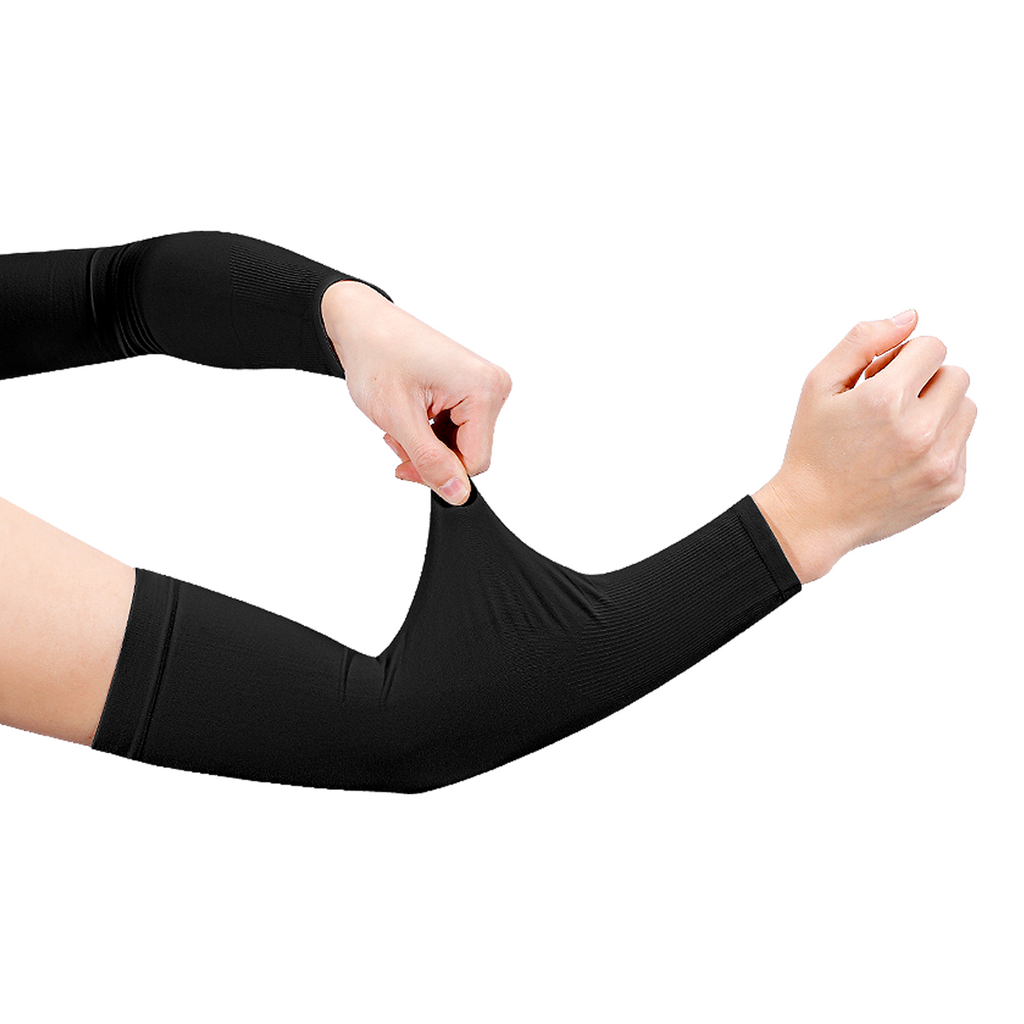
TL;DR: Football players wear arm sleeves for three real reasons: turf burn protection on forearms and elbows, warmth for early-morning and late-season games, and sun protection on outdoor fields — compression feel is a bonus, not the point. Look for a snug non-slip fit, flatlock seams that won't chafe under pads, and UPF 50+ fabric for day games. Skip anything with grip prints if your league follows NFHS/NCAA rules on stickum-adjacent gear.
I grew up thinking football sleeves were pure style — something receivers wore to look fast. Then I spent a November Saturday helping at my nephew's youth tournament and watched three kids come off the turf with forearm raspberries by halftime. The kids in sleeves came off clean. That sent me down a season of testing sleeves across practices and games, and the answers are more practical than I expected. (If you play volleyball instead, the priorities differ — floor digs beat turf slides — and my volleyball arm sleeves guide covers that sport specifically.)
Why Football Players Actually Wear Them
Turf burn is the number one reason. Modern artificial turf is shredded rubber over abrasive carpet, and a forearm-first slide at game speed takes skin with it. A sleeve puts a sacrificial layer between you and the turf. It won't stop a hard elbow slam, but it turns the constant low-grade scrapes — the ones that sting in the shower and scab for a week — into a non-event.
Warmth without bulk. Forearms are packed with blood vessels close to the skin. Keeping them covered keeps your hands functional — which matters when you're catching a cold football in a 40°F morning playoff game. A thin sleeve adds real warmth where a hoodie can't go under pads.
Sun protection for day games. Two-a-days and September afternoon kickoffs mean hours of direct sun on bare arms. A UPF 50+ sleeve blocks 98% of UV — better than sunscreen you forget to reapply at halftime, and it doesn't make your hands slippery.
Compression (the honest caveat). Players report sleeves "feel supportive," and mild compression does reduce muscle oscillation. But no credible study shows a thin arm sleeve improves throwing velocity or prevents injury. Buy it for protection and comfort, not performance promises.
Turf Burn: The Enemy Sleeves Were Built For
A turf abrasion isn't a normal scrape — the rubber infill embeds in the wound, which is why trainers scrub turf burns with brushes. Field position matters: linemen and defensive backs who hit the ground every play get the most forearm contact; quarterbacks mostly want warmth and grip consistency. If you play on grass only, turf burn drops off the list and warmth/sun move up.
Field temperatures make it worse: artificial turf runs 30-50°F hotter than air temperature on sunny days — a 90°F afternoon means a 120-140°F playing surface. Sleeves insulate against that heat on contact too.
What to Look For in a Football Sleeve
Snug, non-slip fit. Measure your forearm at its widest point — the sleeve should stay put through a full throwing motion without a silicone band digging in. Loose sleeves bunch at the wrist; over-tight ones cut circulation by the second quarter.
Flatlock or seamless construction. A raised seam under shoulder pads becomes a pressure blister by the fourth quarter. Run a finger inside the sleeve — any ridge you can feel, you'll feel more under pads.
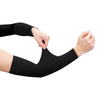
Fabric: thin and wicking beats thick and warm. A 90% nylon / 10% spandex knit wicks sweat and dries in minutes; thicker thermal sleeves belong to December football only. Our UPF 50+ arm sleeves 4-pack uses exactly that blend — thin enough under pads, rated to block 98% of UV, and at $14.48 for four pairs you can keep a fresh pair in the bag for every game day. The one-size knit stretches 15 to 43 inches, which covers youth through adult lineman arms.

A note on sticky grip prints: some receiver sleeves add silicone tack patterns. Check your league first — NFHS and NCAA rules restrict adhesive-type grip enhancers, and several youth leagues treat grip sleeves as equipment violations. Plain knit sleeves are legal everywhere.
How the Top Football Sleeves Compare
Here is how the leading football sleeve options stack up on pack size, UV rating, and value:

| Sleeve | Pack size | UV rating | Fabric | Price tier | Best for |
|---|---|---|---|---|---|
| Finvizo UPF 50+ | 4 or 6 pairs | UPF 50+ (98% UV block) | 90% nylon / 10% spandex | Value multi-pack | Practice rotation, youth teams |
| Nike / UA single pair | 1 pair | Varies by model | Varies | Premium | Brand preference |
| McDavid / Battle single pair | 1 pair | Varies by model | Varies | Premium specialty | Position-specific needs |
Multi-Pack vs Premium Single-Pair: Head-to-Head
Cost per practice season. A premium single pair covers you until laundry day. A 4-pack spreads cost across a season of daily wear — ideal for youth players who may size up next year.
Rotation & hygiene. Practice gear absorbs sweat, turf pellets, and grime every session. Multiple machine-washable pairs mean a fresh sleeve daily while the others cycle through the wash.
Sun & turf coverage. Only UPF-rated fabric guarantees UV defense. Our 98% UV block applies to every pair in the pack; competitor ratings vary by model. The anti-pilling knit also holds its turf-burn layer through repeated slides.
Picks by Scenario
Youth players on turf: Protection first, price second — kids go through sleeves fast. Multi-packs win here; a sleeve and gaiter set covers arms plus neck for late-season cold.
Receivers and DBs: Thin, snug, plain-knit sleeves in team colors. Turf protection on dives, warmth on cold routes, zero rule-book risk.
Linemen: Prioritize forearm coverage and seam quality — you hit the ground or a shoulder pad every snap. Size for the forearm, not the bicep.
Day-game players and two-a-days: UPF 50+ is non-negotiable. Sunburned forearms plus turf contact is a miserable combination, and sleeves are the only sunscreen that doesn't sweat off by halftime.

FAQ
Do football arm sleeves actually help performance? Not measurably. No solid evidence links sleeves to throwing speed or injury prevention. Their proven benefits are turf burn protection, warmth, and UV blocking — compression feel is a comfort preference, not a performance gain.
Are arm sleeves legal in high school football? Plain knit sleeves are legal under NFHS rules everywhere. Sleeves with silicone grip prints or tacky surfaces can be flagged as illegal equipment, same category as stickum. When in doubt, ask your coach or check your league's equipment list before game day.
Should the sleeve cover the elbow? Yes for turf sports. The elbow and outer forearm take the most abrasion in slides and falls. A sleeve ending mid-forearm leaves the highest-impact zone bare — measure from wrist to just above the elbow when sizing.
How do I wash arm sleeves so they last? Cold water, gentle cycle or hand wash, air dry. Heat is the enemy — a dryer degrades the spandex stretch within a dozen washes. Rinse turf pellets out the same day; ground-in rubber abrades the knit from the inside.
How many pairs do I need for a season? Two pairs minimum — one to wear, one in the wash. Four pairs is the comfortable spot for a two-practice-plus-game week, which is why multi-packs beat single sleeves on cost per game.

Written by Vivian J
Product Manager at Finvizo and an avid camper who tests gear on real trails. She writes from hands-on field experience to help you pick equipment that actually holds up outdoors.