Running Neck Warmers: Fleece vs Lightweight for Fall Miles
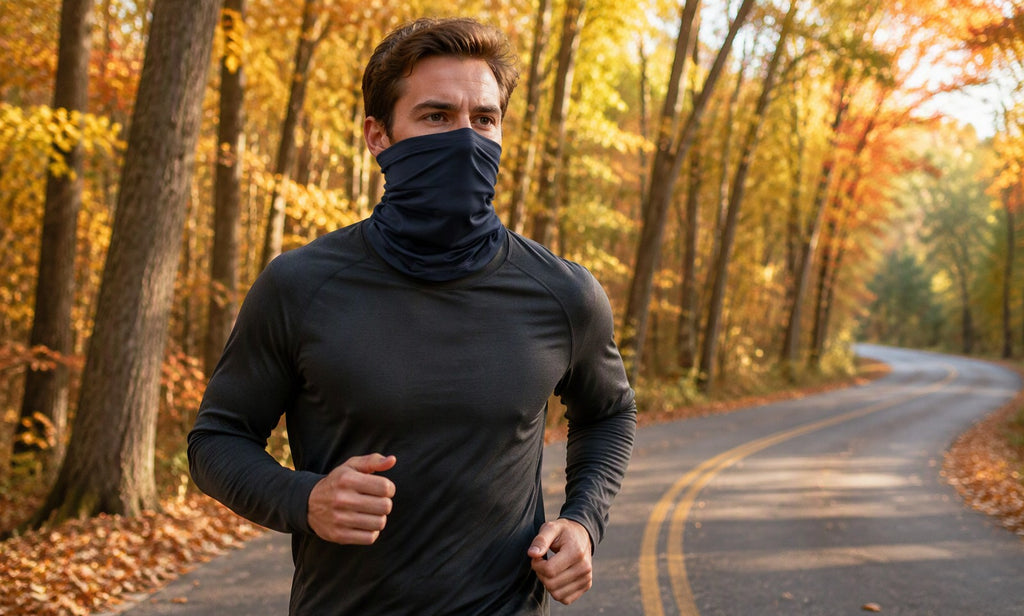
Choose lightweight gaiters for 40–50°F and high-effort runs; switch to fleece below 40°F or on easy days to maintain warmth.
What a Neck Warmer Actually Does on a Run
Every October the same question lands in my inbox from runner friends: is a neck warmer actually worth it, and which kind? I've logged fall miles in everything from a cotton bandana (terrible) to a full balaclava (overkill above freezing), and the honest answer is that "neck warmer" covers two very different products that solve two different temperature problems. I broke down the full layering logic in our temperature-by-temperature fall running guide — this article zooms in on the one piece runners ask about most: fleece versus lightweight neck warmers, and when each one earns its place.
Your neck is a thermostat leak. Big blood vessels run close to the skin there, and wind stripping heat off your neck makes your whole body read the weather as colder than it is. Cover it and a 45°F run feels closer to 50°F — that's not marketing, it's why a $15 tube of fabric can replace a $120 mid-layer on a lot of mornings.
The second job is airflow control. Cold, dry air straight into your airways is what triggers that burning throat and the post-run cough. A neck warmer pulled up over your mouth pre-warms and humidifies each breath. If you've ever finished a cold run feeling like you inhaled sandpaper, that's the problem this solves — something I touched on in our winter face and neck protection guide too.
The third job is adjustability. Unlike a jacket, a neck warmer is a one-hand, mid-stride operation: up when the wind picks up on the bridge, down when you heat up. That micro-adjustment is the whole point.
Fleece vs Lightweight: The Real Trade-Offs
I've run both hard for three falls. Here's what actually separates them.
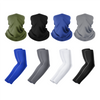
Warmth. Fleece wins and it's not close. A fleece neck warmer like the Finvizo winter neck warmer 4-pack traps a layer of still air and keeps working even when wind is cutting through your jacket. Lightweight polyester gaiters block wind and take the edge off, but they don't insulate — they're a windbreak, not a heater.
Breathability. Lightweight wins. At tempo effort in the 50s, fleece over your mouth gets clammy within a mile — you're breathing through wet insulation. A thin gaiter passes air well enough to wear over your nose at full effort. This is why the lightweight cooling gaiter I wear all summer doesn't retire in September; it just changes jobs from sunshade to windbreak.
Moisture behavior. Sweat and breath condensation are the hidden issue. Fleece holds moisture and gets heavy and cold if you overdress the run; lightweight knit wicks and dries in minutes. Below freezing, fleece's warmth outweighs the damp. Above about 50°F at any real effort, lightweight stays more comfortable.
Bulk and bounce. Fleece is thicker — it can push against a jacket collar and some runners feel it bunch. Lightweight disappears until you need it, and doubles as a headband or wristband mid-run when you're too warm to wear it.
Comparison Table: Neck Warmer Performance
| Feature | Lightweight Gaiter | Fleece Neck Warmer |
|---|---|---|
| Insulation | Low (Windbreak) | High (Thermal) |
| Breathability | Excellent | Moderate |
| Moisture Wicking | Fast | Slower |
| Best Temp Range | 40°F – 60°F | Below 40°F |
> Data verified on 2026-09-16. Source: Finvizo Product Specifications.
The Temperature Rule I Actually Use
Forget the packaging. After three falls of notes in my training log, here's where each one lives for me, assuming a moderate-effort run:
Above 50°F: nothing, or a lightweight gaiter for wind on exposed stretches. Bridges and lakefront paths run 10 degrees colder in feel once the wind is up.
40-50°F: lightweight gaiter, pulled up on downhills and into headwinds, scrunched down on climbs. This is peak neck-warmer season and the range where the thin fabric earns its keep. Finvizo outdoor gear covers both ends of this — the same gaiter that shaded me in August is my October wind layer.
30-40°F: fleece, at least at the start. If the run is easy and short, fleece stays on the whole time. If it's a workout, I'll start in fleece and stash it after the warm-up — one more reason the multi-pack matters, because the stashed one comes home in a pocket, not on my neck.
Below 30°F: fleece, and I'm pulling it over my mouth for the first two miles until my airways adapt. Below 20°F we're into balaclava territory, which is a different guide.
Adjust one notch colder if it's windy, one notch warmer if your run is hills. And dress for mile three, not the front porch — the classic mistake is choosing gear in the driveway cold and overheating by the second mile.
Fit Details That Matter at Mile 8
Small things decide whether you love or hate a neck warmer by the end of a long run.
Length. You want enough fabric to pull over your nose without exposing the back of your neck. Short tubes force a choice between face coverage and neck coverage; a proper gaiter does both.
Stretch recovery. It should hug without squeezing and spring back after being stretched over your chin for an hour. Loose knit slides down your face on every footstrike — once you're tugging it up every quarter mile, it goes in the trash.
Seam placement. A seam riding on your Adam's apple or grinding under a jacket zipper will chap you raw on a 10-miler. Flat or offset seams only.
Washability. You're breathing through this thing and sweating on it. It needs to survive a weekly machine wash without pilling into felt. My fleece set goes in a cold wash and air dries overnight, which is why I buy the 4-pack — rotation beats babying any single piece.
How to Choose the Right Neck Warmer
Follow these steps to optimize your gear for changing fall conditions.
Step 1: Assess the Temperature and Intensity
Check the thermometer before you head out. For runs above 50°F, use a lightweight gaiter for wind protection on exposed stretches. Between 40–50°F, keep a lightweight gaiter handy to pull up on downhills and into headwinds. When temperatures drop below 40°F, shift to fleece for better insulation.
Step 2: Manage Mid-Run Adjustments
If you are doing a high-intensity workout, start with your neck warmer pulled down and adjust as you warm up to prevent overheating. On an easy, low-intensity recovery jog, keep the fleece layer on to conserve core heat.
Step 3: Proper Care and Rotation
Wash your gaiters in a cold machine cycle without fabric softener to maintain wicking performance, and air dry them overnight. Using a multi-pack, such as the Finvizo winter neck gaiter reflective 4-pack, ensures you always have a clean, dry layer ready for your next morning run.
Dark Fall Mornings: Don't Forget Visibility
Here's the part most neck warmer articles skip. Fall means your Tuesday 6 a.m. run happens in the dark, and a black fleece tube is invisible. If any of your miles are on roads, your neck layer is a visibility opportunity: the reflective hi-vis neck gaiter puts a reflective stripe and a bright panel right at driver eye level — one of the highest, most visible points on your body. I keep one reflective gaiter and one fleece in the fall rotation; dark morning, reflective wins the drawer.
FAQ
Do runners really need a neck warmer in fall?
Yes. Once temperatures drop below about 50°F, a neck warmer is one of the best comfort-per-dollar pieces you can add. The neck loses heat fast in wind, and covering it makes the whole run feel several degrees warmer. It also pre-warms cold air before it hits your airways, which reduces the burning-throat feeling that makes cold runs miserable.
Is fleece or a lightweight gaiter better for running?
It depends on temperature and effort. Below 40°F or on easy runs, fleece insulates and wins. Between 40-50°F and at harder efforts, a lightweight moisture-wicking gaiter breathes better and won't get clammy. Most fall runners end up owning both and choosing by the thermometer.
Can you breathe through a neck warmer while running?
Through a lightweight single-layer gaiter, yes — quality knit passes enough air for all but all-out efforts. Fleece over the mouth restricts airflow more, which is fine at easy pace in real cold but uncomfortable at tempo effort. If breathing feels restricted, drop the fabric below your chin; even neck-only coverage keeps most of the warmth benefit.
How do you wash a running neck warmer?
Cold machine wash, no fabric softener — softener coats the fibers and kills wicking — then air dry. Wash after every one or two runs since it collects sweat and breath condensation. Rotating a multi-pack means you always have a clean one and each piece lasts far longer.
When real winter arrives and 30°F starts feeling warm, graduate to the full system in our guide to picking a winter face mask for cold weather — gaiters, balaclavas, and when each one takes over.
Related reading

Product Manager at Finvizo and an avid camper who tests gear on real trails. She writes from hands-on field experience to help you pick equipment that actually holds up outdoors.