Does a Neck Gaiter Make It Harder to Breathe While Running?
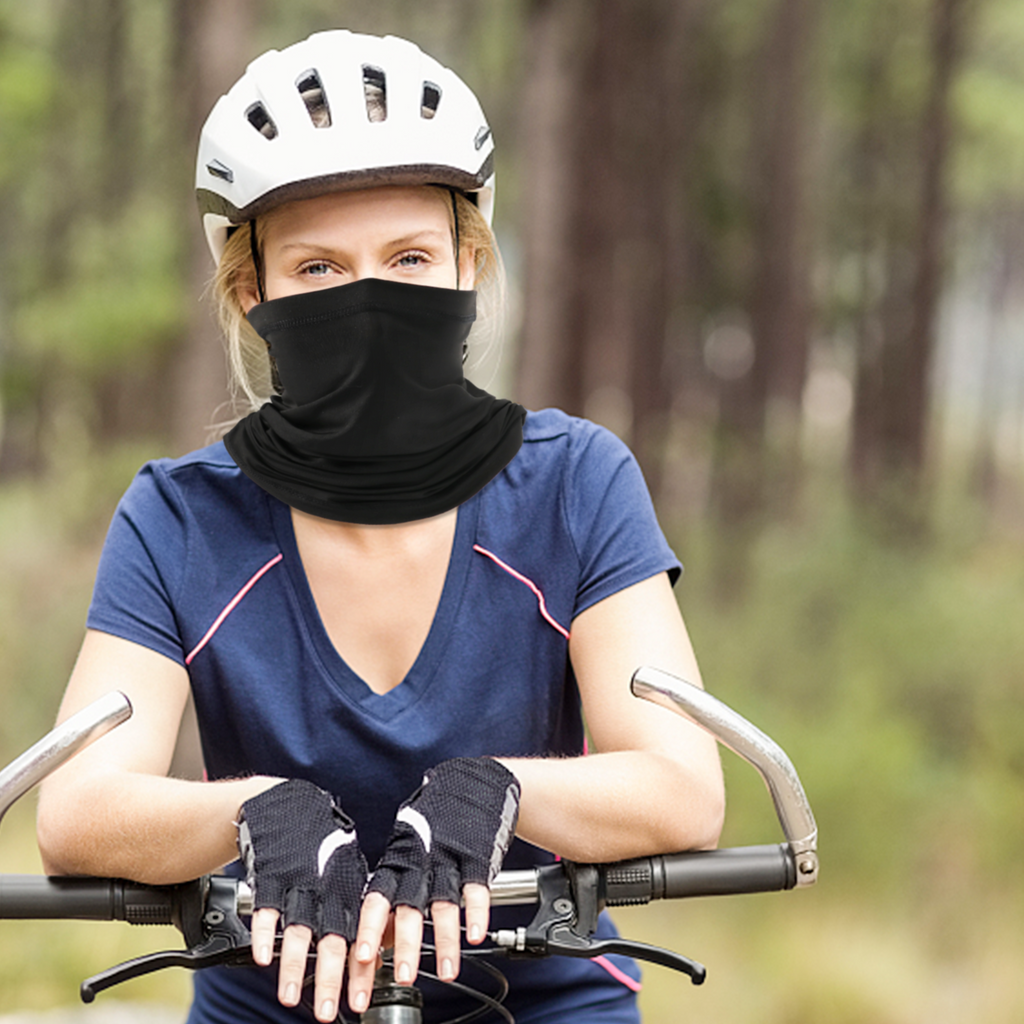
Does a Neck Gaiter Make It Harder to Breathe While Running?
The first time I pulled a neck gaiter over my face for a summer run, I made it about half a mile before yanking it down, gasping a little, and deciding the whole idea was nonsense. Sound familiar? It's the number one hesitation I hear from runners, and it's why I wrote about why runners wear neck gaiters in the first place before tackling this question head-on: does a gaiter actually make it harder to breathe, or was I just doing it wrong?
Two years and a lot of sweaty testing later, my answer is: the gaiter wasn't the problem. The gaiter I grabbed was. Let me explain the difference.
Quick context on where I'm coming from: I'm not a coach or a physiologist. I'm a product manager who runs 20–30 miles a week and has personally tested every gaiter in our lineup on real runs — 95°F lunch runs, dusty trail days, and freezing January mornings. Everything below is what actually happened to my breathing, my pace, and my comfort, not lab theory.
The Short Answer
A lightweight, moisture-wicking gaiter worn correctly adds so little breathing resistance that most runners stop noticing it within a few minutes. A heavy fleece tube, a doubled-over cotton bandana, or a gaiter soaked with sweat and pulled tight across your mouth? That's a genuinely suffocating experience, and it's what most people's one bad memory comes from.
Your body also plays a trick on you here. Breathing through light fabric feels different — warmer, slightly more humid — and your brain reads "different" as "restricted" even when your actual airflow is barely affected. The sensation is real; the oxygen deprivation mostly isn't. Understanding that distinction helped me push through the first awkward week, and it's helped every runner I've converted since.
Why Some Gaiters Feel Like Suffocation
When runners tell me they can't breathe in a gaiter, it's almost always one of four culprits:
- Wrong fabric weight. Fleece and heavyweight knit gaiters are built for January ski trips, not July tempo runs. Double-layer cotton is even worse — it absorbs sweat, gets heavy, and clings to your face.
- Wearing it too high and too tight. If the fabric is stretched drum-tight across your nose and mouth, every inhale pulls it against your nostrils. That's a fit problem, not a gaiter problem.
- Sweat saturation. Any fabric breathes worse when wet. A saturated gaiter on a humid day needs a mid-run adjustment — or a fabric engineered to stay light when damp.
- Anxiety feedback loop. Feeling fabric on your face makes you conscious of every breath, which makes you breathe shallowly, which makes you feel short of air. It spirals fast.
What Makes a Gaiter Actually Breathable
After testing a pile of them, here's what separates a gaiter you forget you're wearing from one you rip off at mile one:
Thin, open-knit synthetic fabric. You want something you can nearly see through when you hold it to the light — polyester or a poly-spandex blend in a single layer. This is exactly why I settled on the Finvizo cooling neck gaiter for warm-weather miles: the fabric is a light cooling knit designed to breathe while damp, so sweat makes it cooler instead of heavier.
Stretch that recovers. A gaiter with spandex conforms loosely instead of clamping. You want contact, not compression, across the face.
Moisture management. Wicking fabric moves sweat away from your skin and spreads it across the surface to evaporate. On a hot run this actually works in your favor — that evaporation is what creates the cooling effect, the same reason I like having a cooling towel waiting at the car for after.
If you run year-round, owning a couple of weights helps — my summer rotation is the 4-pack above, and there's a 6-pack in navy if you want one for every day of the training week without constant laundry.
How to Wear One Without Restricting Airflow
Technique matters as much as fabric. What works for me:
- Nose-only on easy efforts. Cover your nose but leave your mouth just under the edge on easy runs. You still get sun and wind protection where you need it, and mouth-breathing stays free.
- Full coverage, loose fit, on hard efforts. When the pace picks up and you're breathing hard, pull the gaiter up fully but let it sit relaxed — not stretched — across your face. A breathable knit will flex with each breath instead of fighting it.
- Reset when it's soaked. Around the 45-minute mark on humid days, I pull the gaiter down to my neck for a minute or flip it so a dry section sits over my face. Ten seconds, problem solved.
- Give it three runs. The awareness of fabric on your face fades fast. By the third run most runners genuinely stop noticing it.
- Match coverage to effort, not to the thermometer. Intervals on the track? Nose-only or neck-only. A steady long run in full sun? Full coverage works fine. Treating the gaiter as adjustable instead of fixed is the mindset shift that made it click for me.
When to Skip the Gaiter Entirely
I'm a gaiter advocate, but I'm not dogmatic about it. Skip it when the air quality is fine, the sun is low, and the temperature is mild — you don't need coverage for coverage's sake. And if you have any respiratory condition, talk to your doctor before training with anything over your face.
Where a gaiter earns its place is exactly where breathing feels hardest anyway: blazing sun (it beats sunscreen melting into your eyes), dusty trails (see my trail running protection guide for the dust side of this), cold dry air that sears your throat, and wind that turns every inhale into a battle. In those conditions the gaiter isn't the thing making breathing hard — it's the thing making it easier.
For more on picking the right style for road miles, our sun protection blog has a full guide to choosing a neck gaiter for running that pairs well with this one.
FAQ
Is it safe to run with a neck gaiter over your mouth and nose?
For healthy runners, yes — a single layer of lightweight, breathable knit doesn't meaningfully restrict oxygen intake. Start on easy runs to adapt to the sensation, and choose a thin synthetic fabric over cotton or fleece.
Why does my neck gaiter feel suffocating when I run?
Usually it's fabric that's too thick, a fit that's too tight, or a sweat-soaked gaiter clinging to your face. Try a lighter wicking fabric, wear it looser, and reset it mid-run when it gets saturated.
Does breathing through a wet gaiter help or hurt?
A damp cooling-knit gaiter actually helps in hot weather — evaporation off the fabric cools the air around your face. A soaked cotton one hurts, because wet cotton collapses against your skin and blocks airflow.
Should the gaiter cover my nose or sit below it?
Either works. Below the nose maximizes airflow on hard efforts; over the nose adds sun and wind protection. Most runners switch positions within a single run depending on pace and conditions.
What fabric is most breathable for a running gaiter?
A thin polyester-spandex cooling knit, single layer. Avoid fleece, heavy knits, and doubled cotton for anything above easy winter mileage.
Related reading
- Fishing Face Cover vs Neck Gaiter vs Sun Mask: What's the Difference?
- Neck Gaiter vs Buff Difference: Is There a Real One?
- Neck Warmer vs Scarf: Which Actually Keeps You Warmer?

Vivian J is a Product Manager at Finvizo and an avid outdoor enthusiast. She tests gear on real trails and writes from hands-on field experience to help readers choose equipment that performs reliably outdoors.