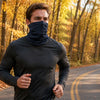
Winter Running Face & Neck Protection: A Practical Guide
A fleece neck gaiter covers most runs from 25–40°F; switch to a balaclava below 20°F or in wind, and add reflective details for dark winter miles.
Understanding Winter Running Face and Neck Protection
Winter running face and neck protection refers to technical accessories—typically crafted from fleece or synthetic moisture-wicking fabrics—that provide a thermal barrier against freezing temperatures, biting wind, and dry air. These items are essential for runners who want to maintain comfort and performance during the colder months when exposed skin is susceptible to frostnip and airways are irritated by sub-freezing intake.
Why Your Face and Neck Need Special Attention in Winter
Your core has layers and your legs have tights, but most runners head out with their face and neck completely exposed, which is where winter running becomes uncomfortable fastest. When you breathe hard through your mouth in sub-freezing air, that unconditioned air can trigger coughing, throat burn, and that tight-chested feeling runners call track hack. Warming and humidifying the air before it hits your lungs makes a real difference. Furthermore, because blood vessels run close to the surface of the neck, an exposed neck acts as a major heat leak, pumping warmth out of your core all run long. Covering it helps your whole body feel warmer without needing extra torso layers.
Comparison of Face and Neck Protection
Choosing the right gear depends on the intensity of your run and the ambient temperature. The following table compares common options for winter outdoor activities.
| Feature | Winter Neck Gaiter | Running Face Mask | Balaclava Ski Mask |
|---|---|---|---|
| Coverage Area | Neck and lower face | Mouth, nose, and chin | Full head, ears, and neck |
| Best For | 25–40°F (Adjustable) | Windy, consistent tempo | Below 20°F or high wind |
| Breathability | High (can be lowered) | Moderate (vented zones) | Moderate (full coverage) |
| Stability | Slides if not adjusted | Stays put during speed | Does not slip or draft |
> Data verified as of 2026-09-16. Source: Finvizo Product Catalog and Winter Balaclava Ski Mask .
Three Essential Steps to Managing Cold Air
Managing your breathing through fabric during a tempo run is a skill that makes winter training much more bearable. Follow these steps to ensure you remain comfortable:
Step 1: Prioritize Fabric Weight over Thickness
Do not reach for expedition-heavy fleece, as it restricts airflow and becomes heavy when damp. Mid-weight fleece with high stretch is the ideal choice for running because it blocks wind while allowing enough air permeability for steady breathing.
Step 2: Create a Warm Air Pocket
Avoid pulling your gaiter or mask tight against your mouth. A slight gap between the fabric and your lips creates a small chamber of warm, humid air, which is easier for your lungs to process than direct cold air. Think of it as a tent, not a wrap.
Step 3: Manage Moisture via Rotation
Breath moisture will eventually dampen any fabric covering your mouth. On runs lasting longer than an hour, rotate your gaiter a quarter turn so a fresh, dry section of fabric sits over your mouth. This prevents the fabric from becoming saturated and freezing.
The Three Contenders: Gaiter, Mask, Balaclava
Fleece neck gaiters are my default for the 20–40°F range because they are the most adjustable option. You can drop the Finvizo winter neck warmer to a simple neck gaiter the moment you heat up without needing to stop or remove it.
A dedicated winter running mask is purpose-built with shaped panels and sometimes vented mouth zones. A good mask for running in the cold stays put better than a gaiter pulled high and breathes easier during hard efforts, though it is single-purpose.
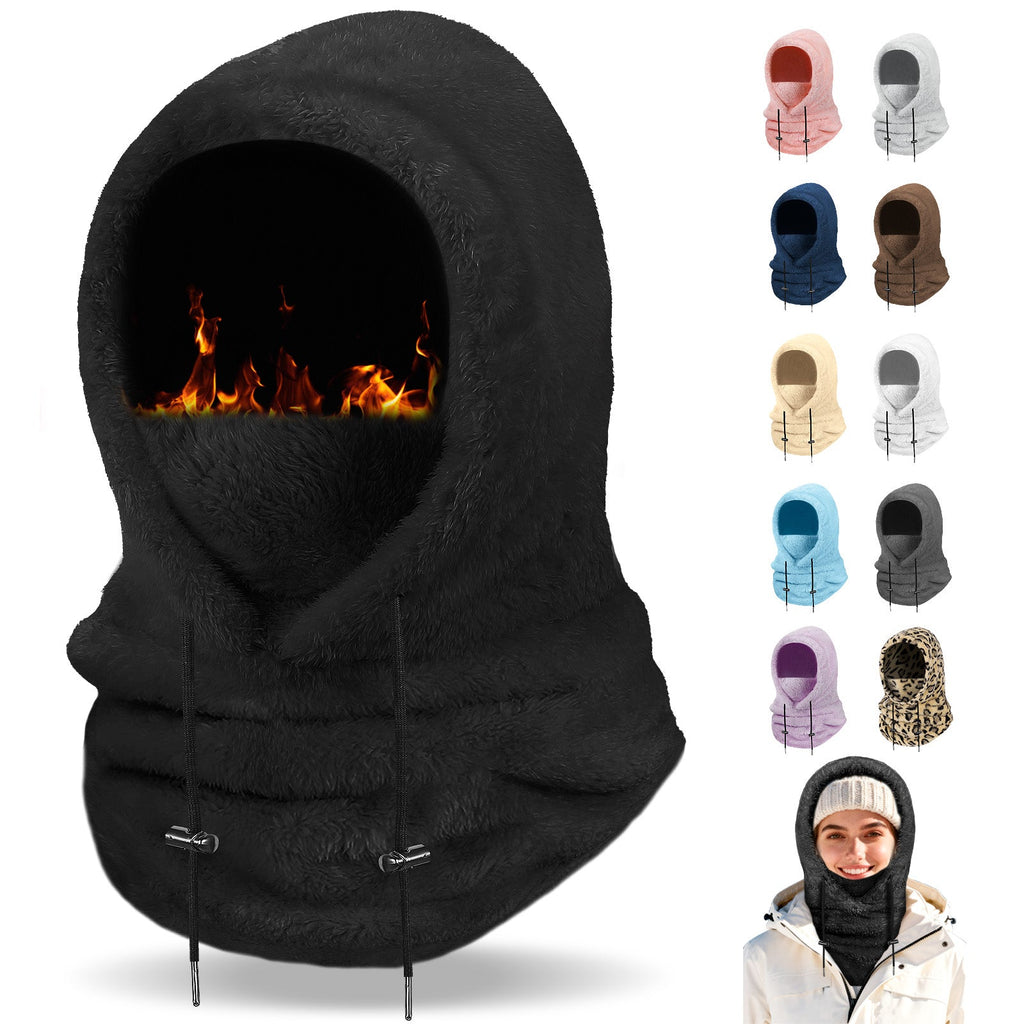
The balaclava provides the most comprehensive coverage, including the head, ears, neck, and face in one unit. Below 20°F or in real wind, a Finvizo winter balaclava ski mask is the best choice to ensure no drafts enter the neck or ear area.
Don't Forget Visibility on Dark Winter Runs
The cold months are also the dark months, which presents a safety challenge for early morning or late evening runners. Your face and neck layer is prime real estate for visibility because it sits high and moves as you run. I often recommend the Finvizo winter neck gaiter reflective 4-pack because it combines thermal fleece with reflective elements, addressing both warmth and safety in one piece of gear. For more information on staying safe in the dark, read our guide on reflective running gear for dark runs .
On short winter days, most of my runs start or end in the dark. I treat reflectivity as part of my cold-weather system, not an afterthought: a headlamp with at least 200 lumens lights the road and makes me visible to drivers, while reflective details on jackets, shoes, or a clip-on blinker cover the 360-degree angle. If you pull a gaiter over your face, double-check that it does not block your peripheral vision at intersections—being warm means nothing if you cannot see the car turning right.
The Mistakes I Made So You Don't Have To
Cotton anything is a major mistake. A cotton scarf or bandana absorbs breath moisture and sweat, then freezes against your skin. Synthetic or merino fabrics are the only reliable options. Another error is wearing face coverage from the front door. You will likely overheat by the end of the driveway. Start with the gaiter around your neck and pull it up five minutes into the run once you have generated some heat. Finally, ignoring your ears is a classic rookie setup. Ears are the first frostnip risk, so ensure they are covered by a headband, hood, or balaclava. For more on layering, check out our guide on what to wear running in the fall .
My Temperature-Based Cheat Sheet
After years of trial and error, I developed a system for choosing gear. At 35–45°F, I typically use nothing on the face, opting for a light gaiter around the neck that I drop once I am warm. In the 25–35°F range, a fleece gaiter is ideal, worn over the chin for the first ten minutes. For 15–25°F, I pull the gaiter over my mouth and nose for the duration of the run. Below 15°F or in windy conditions, a balaclava is the only choice that eliminates every draft point.
FAQ
Is it safe to run in cold weather with your face uncovered?
For most healthy runners, it is safe, but covering your mouth and nose warms and humidifies the air, which helps prevent coughing and chest tightness.
What is better for winter running: a neck gaiter or a balaclava?
A neck gaiter is better for temperatures between 25–40°F due to its adjustability, while a balaclava is superior below 20°F or in high wind because it seals out all drafts.
How do I keep my glasses from fogging when wearing a gaiter?
Pinch the top edge of the gaiter firmly under your nose so your breath is forced downward instead of upward toward your lenses.
How do you wash winter running gaiters?
Use cold water and mild detergent, then hang to dry. Avoid fabric softeners, as they coat the fibers and reduce the moisture-wicking and breathability properties of the fleece.
Are there specific considerations for different types of winter gear?
Yes, you can find a detailed breakdown of performance, drying times, and warmth in our comparison of neck gaiter vs running scarf vs balaclava and our analysis of neck gaiter vs scarf for winter running . If you are still deciding whether you need coverage at all, our explainer on why runners wear neck gaiters covers the main reasons, and our guide to running arm sleeves looks at the same sun-protection-versus-warmth question for your arms.
Is a face mask for running in cold weather worth buying, or is a gaiter enough?
A gaiter is enough for most runners above about 25°F, when adjustability matters more than a sealed fit. A purpose-built face mask for running in cold weather earns its place on windy days and faster sessions, because shaped panels do not slide. Below 20°F, running with a balaclava is the simpler buy: one piece covers everything and nothing can slip mid-run.
Related reading
- Neck Gaiter vs Running Scarf vs Balaclava
- Running Arm Sleeves: Sun Protection, Warmth, or Just Looks?
- Why Do Runners Wear Neck Gaiters? (And When You Should)

Product Manager at Finvizo and an avid camper who tests gear on real trails. She writes from hands-on field experience to help you pick equipment that actually holds up outdoors.