Neck Gaiter vs Scarf for Winter Running: Which Is Better?
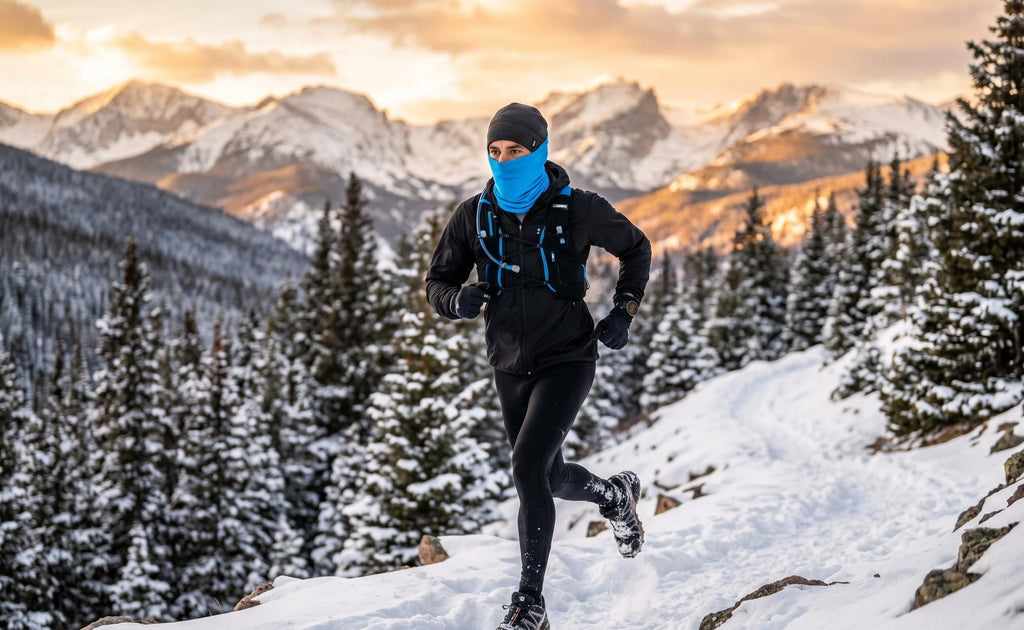
A neck gaiter is superior for winter running because its seamless, moisture-wicking design stays secure during movement, whereas scarves are bulky, prone to unraveling, and trap sweat. In deep cold, warmth and wind protection decide the choice.
Neck Gaiter vs Scarf: Quick Comparison
When choosing between a neck gaiter and a scarf for athletic performance, the primary difference lies in stability, moisture management, and weight.
| Feature | Neck Gaiter | Winter Scarf |
|---|---|---|
| Wind Protection | Seamless, consistent coverage | Gaps where cold air enters |
| Moisture-Wicking | Pulls sweat away from skin | Absorbs moisture; gets heavy |
| Weight | 1–2 ounces | 4–8+ ounces |
| Security | Stays in place during runs | Can slip or unravel |
| Drying Speed | Under 30 minutes | 1–3 hours |
| Packability | Fits in a small pocket | Bulky, requires bag space |
> Data verification date: 2026-09-16. Sources: Individual product pages for Finvizo neck gaiters and general textile performance benchmarks.
This guide focuses on cold-weather winter running. Comparing gear for mild-weather or year-round runs? See our full neck gaiter vs running scarf vs balaclava comparison.
Understanding the Neck Gaiter
A neck gaiter is a closed loop of technical fabric designed to provide 360-degree coverage around the neck and face without the need for tying or adjusting. For runners, this design eliminates the risk of loose ends catching on gear or unraveling during a high-intensity session.

Key Characteristics of Performance Gaiters
- Seamless Construction: Reduces friction points against the skin.
- Technical Fabric: Often polyester or fleece-lined blends that move moisture away from the body.
- Multi-Purpose Use: Can be adjusted as a neck wrap, face mask, headband, or beanie.
- Compact Design: Easily stows in a running belt or pocket when not in use.
The Reality of Winter Running Scarves
Traditional winter scarves are long, rectangular pieces of fabric typically made of wool, cashmere, or heavy acrylic blends. While these materials are excellent for casual, stationary outdoor wear, they are not engineered for the high-output demands of running.
The primary limitation of a scarf during exercise is its open-ended construction. As you move, the knot or wrap often loosens, creating gaps that allow cold air to reach your neck. Furthermore, traditional fibers like wool or cotton absorb sweat rather than wicking it away. Once a scarf becomes damp with perspiration, it becomes heavy and cold, which can lead to rapid heat loss when you stop or slow your pace.
Warmth and Insulation Performance
Consistency is the deciding factor in thermal protection. A fleece-lined neck gaiter creates an insulated seal that maintains body heat even in high-wind conditions. Because it sits flush against the skin, it prevents the convective cooling that occurs when cold air drafts enter through the gaps of a loosely wrapped scarf.
Breathability and Moisture Management
Effective winter gear must manage both heat and moisture. Technical gaiters are designed to allow water vapor to escape, keeping your neck dry and comfortable. In contrast, heavy scarf materials act like sponges. If you are running in temperatures below 25°F, a saturated scarf can become a significant liability, potentially leading to chills or skin irritation.
Step-by-Step: Choosing Your Winter Gear
Follow these steps to determine the right equipment for your climate and activity level.
Step 1: Assess your intensity
If you are engaging in high-intensity activities like trail running or speed work, prioritize a breathable neck gaiter that won't shift or unravel. Scarves are only recommended for low-intensity walking or stationary outdoor activities.
Step 2: Check the temperature rating
For temperatures above 30°F, a lightweight polyester gaiter is sufficient. When temperatures drop below 20°F, look for specialized winter fleece neck gaiters that offer higher thermal retention and wind resistance.
Step 3: Evaluate packability
Consider your storage options. If you run with minimal gear, a gaiter is the clear winner as it can be folded into a pocket. If you require a scarf for fashion-related reasons, ensure you have a dedicated bag to carry it if you overheat during your run.
FAQ
Is a neck gaiter better than a scarf for winter running?
Yes. A neck gaiter is specifically designed to stay secure during movement, whereas scarves are prone to slipping and unraveling.
Does a neck gaiter keep you warmer than a scarf?
A neck gaiter provides more consistent warmth through 360-degree coverage, preventing the cold drafts that often occur with traditional scarf wrapping methods.
What material is best for a winter running gaiter?
Polyester blends are ideal because they are lightweight and moisture-wicking. For extreme cold, opt for a fleece-lined neck gaiter to trap heat.
Can I use a neck gaiter for other sports?
Absolutely. Many athletes use the same gear for sun protection in the summer and wind protection in the winter.
Related reading
- Neck Gaiter vs Buff: Understanding the Difference
- Balaclava vs Ski Mask vs Neck Gaiter: Choosing Your Face Cover
- 4 Essential Features in a Backpack for Hiking

Vivian J is a Product Manager at Finvizo and an avid outdoor enthusiast. She tests gear on real trails and writes from hands-on field experience to help readers choose equipment that performs reliably outdoors.