
Why Do Runners Wear Neck Gaiters? (And When You Should)
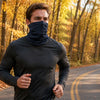
I started wearing neck gaiters on runs about three years ago, and at this point I will not leave the house without one. It started as a winter fix for cold air hitting my throat, but I quickly realized the right gaiter is just as useful in summer for sun and sweat management. If you have ever wondered why so many runners are pulling up face coverings mid-stride, here is the full breakdown from someone who logs 40-plus miles a week in them.
The short answer is protection: from UV, from wind, from cold air, and from sweat dripping into places it should not go. But not every gaiter works for running. The wrong one will slide down, trap heat, or make you feel like you are breathing through a pillow. I have tested enough of them to know what actually stays comfortable at mile eight. If you want my specific buying advice, I covered that in the neck gaiter for running guide. This post explains the "why" and the "when."
UV Protection Without the Sunscreen Hassle
Runners spend hours exposed with no shade. Your neck, ears, and lower face are constantly catching direct sun, and the cumulative damage adds up fast. A UPF 50+ gaiter blocks about 98% of UV rays and never needs reapplication.
I used to rely on SPF 50 sunscreen on my face and neck, but sweat and mileage make that a losing battle. By mile four, it is running into my eyes. By mile six, my neck is pink again. A lightweight gaiter solves both problems: consistent coverage that does not wash away.
The Finvizo cooling neck gaiter is what I reach for on summer runs. The fabric is breathable enough that I do not feel suffocated, and when I wet it at a water fountain, the evaporative cooling actually drops the surface temperature. On 90-degree days, that is the difference between finishing my long run and cutting it short.
One detail that matters for runners is the fabric weight. I have tried thicker gaiters that felt fine at the trailhead but turned into a sauna by mile three. The Finvizo gaiter uses a lightweight high-stretch polyester that is barely noticeable once you start moving. It sits flat against the skin without bunching, which is important when you are wearing it for an hour or more.
Cold-Weather Running: Protecting Your Airways
This is where gaiters originally earned their place in running gear. Breathing in freezing air directly irritates the throat and lungs, especially if you have asthma or exercise-induced bronchoconstriction like I do. Pulling a gaiter up over your mouth warms and humidifies the air before it hits your airway.
The key is fabric choice. A thick fleece gaiter in winter traps heat and moisture, which is exactly what you want when the temperature drops below 40 degrees. I switch to a reflective winter gaiter for early-morning winter runs. The hi-vis reflective strips keep me visible to drivers in the dark, and the fleece lining locks in warmth without feeling bulky under my jacket.
Below freezing, I will double up: a thin moisture-wicking gaiter as a base layer, and the fleece gaiter over it. That combo keeps my neck and face warm without creating a sauna effect once I heat up. The base layer wicks sweat away from my skin, while the fleece layer traps warm air next to my face.
I also appreciate the quick-adjust buckle on the winter gaiter. Most gaiters rely on stretch alone, which works fine in summer but can feel loose when you are wearing it over multiple layers. The buckle lets me dial in the fit so it stays in place even when I am working hard into a headwind.
Sweat and Drizzle Management
Even on mild days, a gaiter helps manage moisture. I sweat heavily from my head, and without something to catch it, sweat runs straight down my forehead and into my eyes by mile three. A gaiter worn as a headband or pulled up to my hairline catches that drip and wicks it away.
In light rain or high humidity, it also keeps drizzle off my neck and out of my collar. A soaked cotton shirt collar is one of the most uncomfortable feelings on a long run. A synthetic gaiter dries fast and keeps that clammy feeling away from my skin.
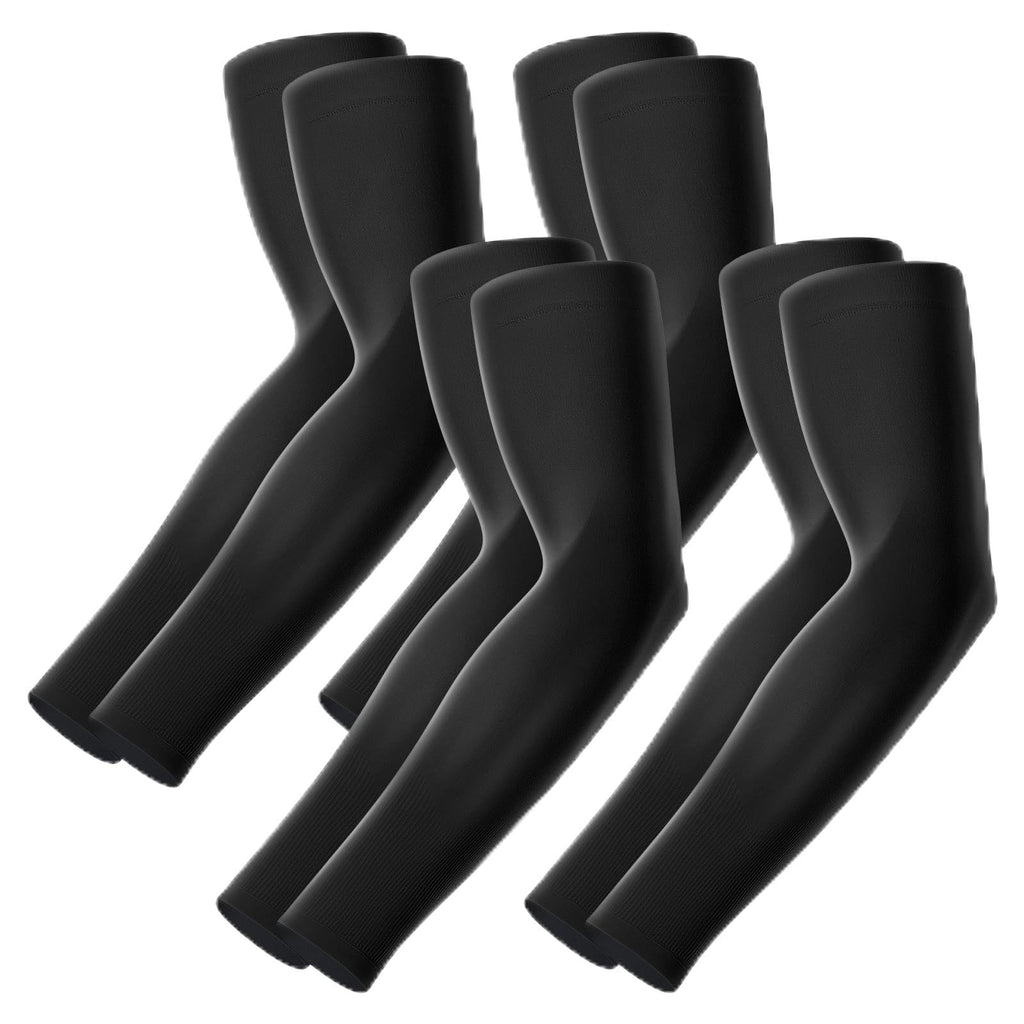
I have also started wearing UPF 50+ arm sleeves on summer long runs. They block UV on my forearms without the heat of a full long-sleeve shirt, and the graduated compression actually helps with muscle fatigue on runs over 90 minutes. The anti-slip grip keeps them in place without constant adjusting.
When You Should Skip the Gaiter
Not every run needs one. If I am doing a quick 5K on a cloudy 65-degree day, I will often go without. The benefits are most pronounced in extreme conditions: hot sun, cold air, wind, or precipitation.
I also skip the full face coverage on hard interval days. When I am running at 90% effort, every bit of airflow matters. A gaiter pulled up over my mouth can feel restrictive at threshold pace. On those days, I wear it around my neck as a sweatband and pull it up only for the cooldown.
Treadmill runs are another time I usually skip it. The controlled climate of a gym eliminates most of the environmental factors that make a gaiter useful. I will keep one in my gym bag just in case the HVAC is blasting cold air, but it rarely comes out.
Matching Your Gaiter to the Season
Here is how I rotate my gaiters based on conditions:
- Hot sun (75°F+): Lightweight cooling gaiter, wet for evaporative cooling, UPF 50+
- Mild weather (55-75°F): Standard breathable gaiter as a sweatband and light wind blocker
- Cold weather (32-55°F): Fleece-lined reflective gaiter for warmth and visibility
- Below freezing: Double layer: thin wicking gaiter + fleece gaiter
Having the right tool for the conditions makes a bigger difference than you would expect. I used to try to make one gaiter work year-round, and I was either too hot in summer or underdressed in winter. The 4-pack of cooling gaiters plus a set of winter gaiters covers my full calendar.
FAQ: Runners and Neck Gaiters
Will a neck gaiter cause me to overheat on summer runs?
A lightweight, breathable gaiter actually helps with cooling if you wet it. Avoid thick or non-breathable fabrics in hot weather. The right material wicks sweat and allows airflow. I have run with mine in 95-degree heat and been glad I had it.
How do I keep a gaiter from slipping down while running?
Look for gaiters with some stretch and a tapered cut. I also tuck the bottom edge into my shirt collar for extra hold on long runs. The high-stretch fabric of the Finvizo gaiter grips well without feeling tight.
Is it safe to run with my mouth covered?
For easy and moderate efforts, yes. The fabric should be breathable enough that airflow is not restricted. For all-out sprint intervals, I pull it down to my neck. Listen to your body, if you feel short of breath, adjust or remove it.
Can I wear a gaiter in a race?
Absolutely. Many trail races require face coverage for dust anyway. For road races, a lightweight gaiter is perfect for sun protection on exposed courses. Just make sure you have trained in it so there are no surprises on race day.
How often should I wash my running gaiter?
After every sweaty run. Salt buildup degrades the fabric and reduces wicking performance. The Finvizo gaiters are machine washable and hold their shape well. I throw mine in with my regular athletic wear and air dry.
What is the difference between a neck gaiter and a buff for running?
Functionally they are the same thing: a tube of stretchy fabric. "Buff" is a brand name that became generic. I use the terms interchangeably, though I prefer gaiters with UPF ratings specifically because the sun protection is tested and verified.
For marathon training, cooling strategy is just as important as gear choice. I broke down exactly how I use cooling towels on long runs in the marathon runner's cooling towel guide, including when to wet them and where to stash them on race day.
Related reading
- Fishing Face Cover vs Neck Gaiter vs Sun Mask: What's the Difference?
- Neck Gaiter vs Buff Difference: Is There a Real One?
- Neck Warmer vs Scarf: Which Actually Keeps You Warmer?

Vivian J is a Product Manager at Finvizo and an avid outdoor enthusiast. She tests gear on real trails and writes from hands-on field experience to help readers choose equipment that performs reliably outdoors.




)