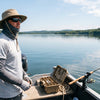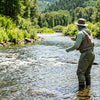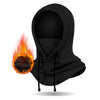
Fishing Face Cover vs Neck Gaiter vs Sun Mask: What’s the Difference?
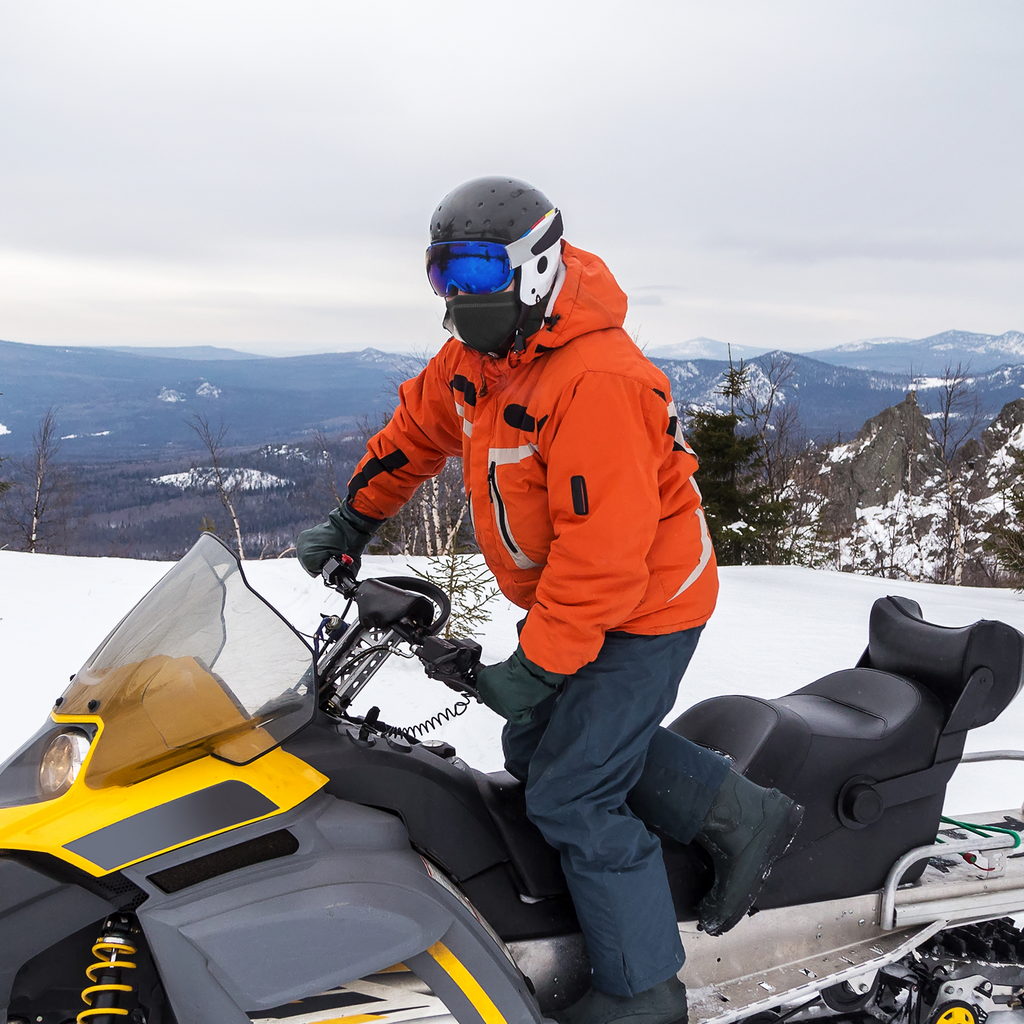
A UPF 50+ neck gaiter is versatile and budget-friendly for most fishing. Sun masks provide a secure fit and better breathability for boat or windy conditions.
Fishing Face Cover vs Neck Gaiter vs Sun Mask: What's the Difference?
Just want the pick? Skip to our tested best neck gaiter for fishing recommendations. Stay here if you are still deciding which of the three styles fits how you fish.
TL;DR: A neck gaiter is a simple fabric tube — versatile, cheap, perfect for bank and pier fishing. A sun mask is a shaped, structured fishing face mask with ear loops or a back closure — it can't slide off at boat speed and vents breath away from sunglasses. "Face cover" is just a catch-all search term. For 90% of anglers, a UPF 50+ gaiter is the right buy.
If you've spent any time browsing fishing gear online, you've seen three names used almost interchangeably: face cover, neck gaiter, and sun mask. Tackle shops mix them up, Amazon listings mash all three into one title, and even experienced anglers use the words loosely. I manage product at Finvizo and I fish most weekends from spring through fall, so I've had to answer this question more times than I can count, both for customers and for buddies on the boat ramp. If you're building out your complete fishing sun protection setup , knowing which piece of fabric does what will save you money and a sunburned neck.
Here's the short version: these three terms overlap a lot, but they're not identical. The differences come down to coverage area, how the piece stays on your head, and what conditions it's built for. Let's break each one down.
What Is a Fishing Neck Gaiter?
A neck gaiter is the simplest of the three: a seamless tube of stretchy fabric, usually a polyester-spandex blend, that slides over your head. Worn low, it covers your neck. Pull it up, and it covers your face from the nose down. You can also wear it as a headband, a beanie, or a hood liner.
That versatility is why gaiters took over the fishing world about a decade ago. On a typical July morning I'll start with mine around my neck at 6 a.m., pull it up over my face by 10 when the sun gets high, and dunk it in the cooler around noon for a quick cooldown. One tube, three jobs. For a complete neck-protection setup on the water, see my guide to protecting your neck from the sun while fishing .
The trade-off is fit. A plain tube relies entirely on stretch to stay up. Cheaper gaiters slide down your nose every twenty minutes, which is annoying when you're trying to watch a line. The fix is a gaiter with enough spandex content and a snug weave, which is what we build into our cooling neck gaiter 4-pack . It stays put over your nose without feeling like a tourniquet, and the fabric is rated UPF 50+ so the UV protection doesn't disappear when the material stretches thin.
What Is a Fishing Sun Mask?
A sun mask is a gaiter's more structured cousin. Instead of a simple tube, it's cut and sewn specifically to cover the face: shaped around the nose, sometimes with a longer drape over the chest, often with a mesh or laser-cut breathing panel over the mouth. Many sun masks add ear loops or a velcro closure at the back so they physically cannot slide down.
The big advantage is stability. If you're running a boat at 40 mph or kayak fishing in wind, a structured sun mask stays exactly where you put it. The breathing panel also matters more than you'd think. Talk to any angler who wears sunglasses and a plain gaiter in humid heat and they'll tell you about fogged lenses. A mesh mouth section vents your breath downward instead of straight up into your glasses.
The downside: a sun mask does one job. It's a face covering, full stop. You can't wear it as a beanie at a cold morning launch or pull it down to use as a sweatband. If your fishing swings between hot afternoons and chilly dawn bites, you're carrying more gear.
What Does "Face Cover" Actually Mean?
Here's where it gets confusing. "Face cover" isn't really a product category. It's a catch-all search term. When someone types "fishing face cover" into Google, they might want a neck gaiter, a sun mask, a balaclava-style hood, or even a bandana. Retailers know this, which is why product titles read like "Face Cover Neck Gaiter Sun Mask Balaclava" all crammed together.
So when you're shopping, ignore the label and look at the construction:
- Is it a tube? It's a gaiter, whatever the listing calls it.
- Does it have shaped seams, ear loops, or a closure? It's a structured sun mask.
- Does it cover your whole head with just eye and mouth openings? That's balaclava territory, which is overkill for summer fishing but great for cold-weather trips.
Ninety percent of anglers searching for a "face cover" will be happiest with a quality UPF neck gaiter, because it covers the same skin while staying useful in more situations.
Which One Belongs in Your Tackle Bag?
After years of testing on the water, here's how I'd match the gear to the fishing:
Bank and pier fishing, summer: Neck gaiter, no contest. You're walking, sitting, and casting in the heat, and the ability to pull it up or down as the sun moves is worth more than a locked-in fit. I keep two of the 6-pack navy gaiters in my bag at all times so one can dry while the other's on my face. Wet it and the evaporative cooling is genuinely noticeable on a 95-degree afternoon.
Boat fishing at speed, offshore, or heavy wind: Structured sun mask. The ear loops and shaped fit earn their keep when the wind is trying to rip the fabric off your face, and the breathing panel keeps your sunglasses clear.
Kayak fishing: Either works, but I lean gaiter for the neck coverage when I'm paddling low to the water where reflection doubles your UV exposure. Pair it with matching arm sleeves and you've covered the two spots anglers always burn: the back of the neck and the forearms.
Cold-weather fishing: This is the one case where a full balaclava-style cover makes sense, or a fleece-lined gaiter. Summer-weight tubes won't cut a 40-degree wind on the lake.
How to Pick Yours in 4 Steps
- Match the gear to your fishing. Bank and pier in summer: neck gaiter. Boat at speed: structured sun mask with ear loops. Kayak: gaiter plus arm sleeves. Cold trips under 50°F: fleece gaiter or balaclava.
- Check the UPF rating before anything else. UPF 50+ blocks over 98% of UV; no rating tag means no guaranteed protection, whatever the product is called.
- Test the breathing zone. Hold the fabric to your mouth and exhale hard — if air doesn't move through, heat and sunglass fog will build within an hour on the water.
- Plan your rotation. Salt and sunscreen degrade fabric fast; a Finvizo cooling neck gaiter 4-pack puts a fresh one in the tackle bag every trip.
Fabric and UPF Rating Matter More Than the Name
Whatever style you pick, two specs decide whether it actually protects you. First, the UPF rating. Regular cotton t-shirt fabric is roughly UPF 5, which lets about 20 percent of UV through. A proper fishing gaiter or mask should be UPF 50+, blocking 98 percent of UV. That number should be on the listing; if it's not, assume the fabric wasn't tested.
Second, breathability. A mask you can't breathe in is a mask you'll pull down, and a mask around your chin protects nothing. Lightweight polyester-spandex around 160 to 180 grams per square meter hits the sweet spot: dense enough to block UV, thin enough to breathe and to dunk in water for evaporative cooling.
One more field tip: whatever covers your face, don't handle your bait right after touching sunscreen-smeared fabric or your own sunscreened hands. Fish smell better than we do, and a chemical film on your soft plastics can cost you bites. Physical coverage beats lotion on the water for exactly this reason.
.
For more context, see Neck Warmer Vs Scarf. For more context, see How To Keep Neck Gaiter From Slipping.
FAQ
Is a neck gaiter the same as a face cover?
Not exactly. A neck gaiter is a specific fabric tube you can pull up over your face or neck. “Face cover” is a broad term covering gaiters, sun masks, balaclavas, and more. All gaiters are face covers, but not all face covers are gaiters.
Do fishing sun masks really block UV rays?
Yes, if they have a UPF rating. A UPF 50+ sun mask blocks about 98% of UV radiation. Masks without ratings offer no guaranteed protection and may allow UV through, especially when stretched or wet.
Why does my neck gaiter keep sliding down when I fish?
Usually, it’s due to fabric blend. Gaiters with too little spandex lose grip, especially when wet with sweat. Look for at least 10% spandex and a snug fit. Structured sun masks with ear loops solve this problem completely.
Can I wear a neck gaiter in hot weather without overheating?
Yes. Lightweight, moisture-wicking gaiters soaked in water cool you by evaporation. Covering your neck reduces perceived temperature by blocking direct sun, often more effectively than bare skin.
What is the best face protection for kayak fishing?
A UPF 50+ neck gaiter paired with a wide-brim hat and sunglasses is ideal. Kayak anglers sit low where water reflection hits face and neck from below, so adjustable coverage is key. Add UV-protection arm sleeves to cover forearms.
Related reading
- Fishing Sun Protection: The Complete Setup for Long Days on the Water
- How to Protect Neck from Sun Fishing: A Complete Angler's Guide
- Neck Gaiter vs Buff Difference: Is There a Real One?

Product Manager at Finvizo and an avid camper who tests gear on real trails. She writes from hands-on field experience to help you pick equipment that actually holds up outdoors.