Best Ski Neck Warmers: Fleece Picks for the Slopes
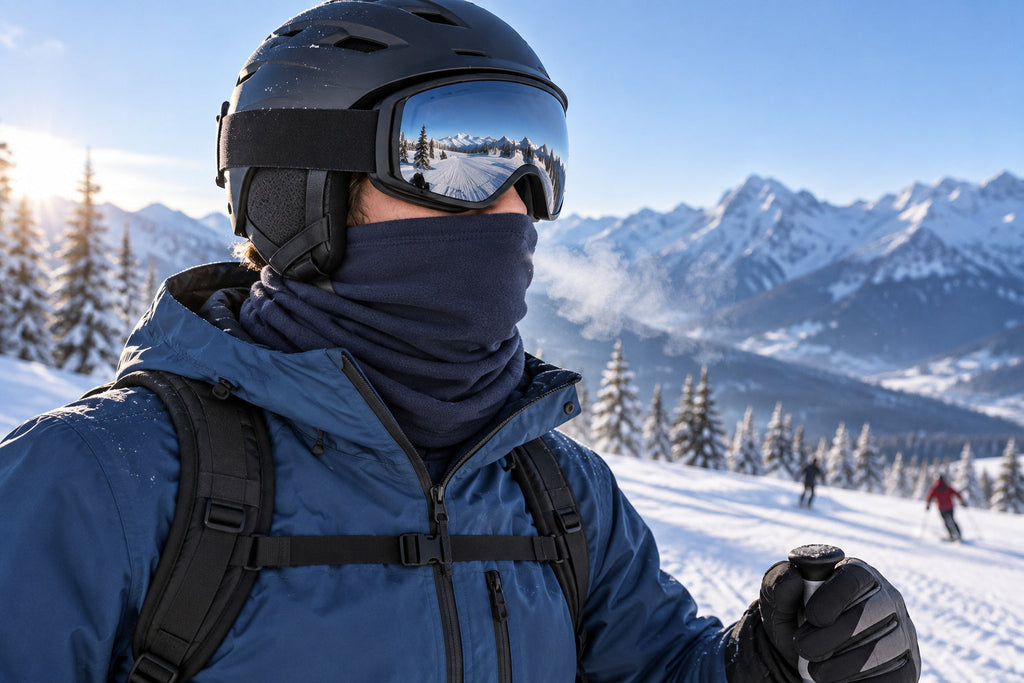
Ski neck warmer shoppers need a ski neck warmer that balances warmth, moisture control, and helmet compatibility. Fleece is the best all-round choice for lift-served skiing, while lighter tubes suit hard efforts and balaclavas suit severe exposure. Prioritize a smooth fit, full collar overlap, and fabric you can dry between sessions.
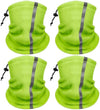
For an easy multi-day rotation, the Finvizo Winter Neck Warmer 4 Pack gives you soft four-way-stretch fleece in a low-bulk, drawstring-free tube. You can pull it over your lower face on a windy chairlift, then lower it to your neck when you start working harder.
What to Look for in a Ski Neck Warmer
Warmth without trapped moisture
A fleece warmer traps insulating air, but thickness alone does not determine comfort. Your output changes during a ski day: a long lift ride is passive, while a steep run raises heat quickly. Look for a fabric that feels warm when dry and can be lowered easily before perspiration soaks the area around your mouth.
Helmet and goggle compatibility
Choose a tube without bulky knots, hard toggles, or thick seams where your helmet strap sits. Test the full system at home for 10 minutes. Turn your head, fasten the chin strap, and confirm the warmer does not block peripheral vision. Your helmet should keep its original fit; never add thickness that changes its secure position.
Coverage and packability
Your snowboard neck warmer should overlap the jacket collar by at least 2 inches when you look up or rotate your head. A longer tube gives you room to cover cheeks and chin, while a compact fold fits a pocket. Four-pack options also make it easier to carry a dry replacement after lunch.
Top Picks and Comparison

| Style | Best for | Main tradeoff |
|---|---|---|
| Light synthetic tube | Touring and high output | Less insulation on lifts |
| Fleece gaiter | Resort skiing and mixed effort | Can feel damp after hard runs |
| Merino blend | Odor control over several days | Usually slower to dry than thin synthetics |
| Full balaclava | Wind and maximum head coverage | More helmet-fit variables |
Pick lightweight synthetic fabric when you climb or ski continuously. Pick a fleece warmer for the common resort pattern of active descents and colder lift rides. Choose a balaclava when your forehead, ears, and neck all need coverage, but test it with your exact helmet and goggles before the trip.
Our Pick: Finvizo Winter Neck Warmer 4 Pack

The Finvizo Winter Neck Warmer 4 Pack uses soft four-way-stretch fleece and a drawstring-free construction. Those verified features create a smoother profile beneath compatible ski helmets. The one-size-fits-most tube can also work as a lower-face cover or headband, and the product page offers four-pack and six-pack color sets.
This is a practical resort pick rather than a technical claim of universal performance. Your warmth depends on wind, temperature, effort, fit, and whether the fleece is dry. Rotate a clean tube each day, and keep the spare inside a waterproof pocket instead of leaving it exposed to snow.
Fleece Warmer vs Balaclava
A fleece neck gaiter is simpler: it protects your neck and can cover your chin and cheeks without covering your crown. That makes venting quick and keeps helmet thickness unchanged. A balaclava adds head and ear coverage, but its seams and hood must remain compatible with the helmet.
Use the gaiter when weather changes during the day or when you prefer separate head protection. Use a balaclava during prolonged cold or wind if your helmet still fits correctly. The Ready.gov winter guidance recommends layers of warm clothing and watching for frostbite and hypothermia; a neck tube is only one part of that system.
Who Should Buy What
Resort skiers should start with an all-round fleece tube. Snowboarders who sit on snow may appreciate its easy collar overlap. High-output touring users should favor thinner, faster-drying material. Families and frequent travelers can benefit from the Finvizo Winter Neck Warmer 4 Pack because several clean colors are ready for rotation or sharing.
Check the National Weather Service cold-safety resources before departure. Wind changes perceived cold, and exposed skin can become a concern faster than the air temperature suggests. Carry a dry spare, stop if numbness develops, and move indoors when conditions exceed your equipment or experience.

Moisture management deserves one more emphasis, because it is where most skiers get cold: fleece insulates when damp, but only a dry start keeps it that way. Put on a fresh gaiter in the morning, carry a sealed spare, and swap at lunch if the first one is wet from breathing. The swap takes ten seconds and feels like a gear upgrade.
That is exactly why our pick is a multi-pack: the Finvizo Winter Neck Warmer 4-pack runs $19.99 — about $5 per windproof fleece tube — so a spare in each jacket costs less than one lodge hot chocolate. Wash cold, air-dry, and never iron fleece; heat mats the pile that traps your warmth.
FAQ
Is fleece too warm for skiing?
Not necessarily. Fleece works well for lift-served skiing, but you should lower it during hard effort before it becomes damp. Choose a lighter tube for sustained uphill travel.
Should a neck warmer go under a helmet?
A drawstring-free tube may sit smoothly around your neck and lower face. Do not place bulky folds beneath the helmet shell or alter the helmet’s intended fit.
How many neck warmers should you pack?
Two is a useful minimum for a weekend: one in use and one dry spare. A four-pack makes longer trips and family rotation easier.
Can you wash a fleece neck gaiter?
Follow its care label, use mild detergent, and dry it fully before storage. Avoid products that could reduce softness or leave strong residue near your face.
Choose Your Slope-Ready Fleece
Build a warmer, easier-to-rotate ski kit with the Finvizo Winter Neck Warmer 4 Pack. Confirm current colors and pack options, test the gaiter with your helmet, and bring one dry spare for changing mountain conditions.
Related reading
- Neck Gaiter vs Scarf Winter Running: Which Keeps You Warmer?
- Balaclava vs Ski Mask vs Neck Gaiter: Winter Face Cover Guide
- Fishing Face Cover vs Neck Gaiter vs Sun Mask: What's the Difference?

Written by Vivian J
Product Manager at Finvizo and an avid camper who tests gear on real trails. She writes from hands-on field experience to help you pick equipment that actually holds up outdoors.