Neck Gaiter vs Neck Warmer: Is There a Difference?

Neck gaiter vs neck warmer—neck gaiter vs neck warmer usually describes overlapping tube-shaped accessories, but materials and intended weather create real differences. Lightweight gaiters often manage sun and moisture, while fleece warmers prioritize insulation. The Finvizo Cooling Neck Gaiter 4/8-Pack belongs to the lightweight, multi-use side of that spectrum.
What Is a Neck Gaiter vs a Neck Warmer?
A neck gaiter is commonly a fabric tube worn around your neck and sometimes repositioned as a face covering, headband, or head covering. A neck warmer can use the same tube shape, but the name often signals colder-weather insulation. Retail names are inconsistent, so you should compare fabric, dimensions, and construction rather than relying on the title.
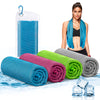
The Finvizo Cooling Neck Gaiter 4/8-Pack is made from lightweight, moisture-wicking polyester and measures approximately 17.8 by 9.6 inches. It is listed as UPF 50+, one size fits most, multi-use, and machine washable. It is not a fleece winter warmer.
How to Choose Between a Gaiter and Warmer
- Define the main condition. Choose sun and sweat management for warm activity, or insulation for cold, low-output use.
- Read the material details. Lightweight polyester and thick fleece behave differently even when both products are called gaiters.
- Check dimensions and fit. Confirm the tube can cover your intended area without restricting breathing, vision, or movement.
- Match care to your routine. If you use it frequently, verify the label’s washing directions and rotate clean pieces as needed.
Do not treat a stated sun-protection rating as permission to stay outside indefinitely. The Centers for Disease Control and Prevention sun-safety guidance recommends combining protective clothing with shade and sunscreen. A gaiter covers only the area beneath the fabric, so protect the rest of your exposed skin.

Neck Gaiter and Neck Warmer Comparison
| Feature | Cooling neck gaiter | Insulated neck warmer |
|---|---|---|
| Typical material | Lightweight performance knit | Fleece or thicker knit |
| Primary goal | Sun coverage and moisture management | Cold-weather insulation |
| Packability | Usually compact | Usually bulkier |
| Warm-weather use | Better aligned | May retain too much heat |
| Cold, low-output use | Limited insulation | Better aligned |
The category names can overlap, but the tradeoff is clear. Lightweight fabric dries and packs more easily, while lofted material traps more air for warmth. Neither is automatically better. Your pace, temperature, wind, sun exposure, and personal comfort determine the useful choice.
Our Pick: Finvizo Cooling Neck Gaiter 4/8-Pack
Our warm-weather multi-use pick is the Finvizo Cooling Neck Gaiter 4/8-Pack. The verified design uses lightweight, moisture-wicking polyester and provides approximately 17.8-by-9.6-inch coverage. It is listed UPF 50+ and machine washable, supporting rotation across running, hiking, fishing, or yard-work days.
“Cooling” does not mean powered refrigeration or guaranteed skin-temperature reduction. Moisture-wicking fabric moves moisture through the material, but performance depends on humidity, airflow, activity, and fit. The one-size-fits-most label also does not promise an ideal fit for every head or neck.

Tips and Best Practices
For sun and active use
Wear the tube over the neck and reposition it only when you can do so safely. Keep your vision unobstructed and avoid pulling fabric so tightly that breathing feels restricted. The listed UPF 50+ applies to the covered area; exposed skin still needs a broader sun-safety plan.
For cold and wind
Select thicker insulation when warmth is the priority. A lightweight Finvizo Cooling Neck Gaiter 4/8-Pack can provide a fabric layer, but it should not be presented as equivalent to a fleece warmer. In severe cold, use weather-appropriate layers and monitor for numbness or skin-color changes.
For hygiene and rotation
Wash a gaiter after sweat, soil, or repeated face contact, following the attached care label. A multi-pack can help you rotate clean pieces, but do not share a used gaiter without laundering it. Allow fabric to dry completely before storing it.
For multi-use styling
You can use the same tube as a neck cover, headband, or head covering when the fit is safe. Repositioning changes the protected area: moving it off your neck to your head leaves your neck exposed. Multi-use describes configurations, not simultaneous full coverage.
Common Mistakes to Avoid
Do not shop by name alone. One seller may call a thin tube a neck warmer, while another calls a fleece piece a gaiter. Check fiber, weight, thickness, lining, dimensions, care, and stated purpose before comparing price.
Do not assume every face covering provides respiratory protection. A general-purpose neck gaiter is not automatically a respirator or medical device. For wildfire smoke or workplace hazards, follow the relevant official guidance and use properly selected protective equipment rather than relying on ordinary fabric.
Do not let fabric interfere with situational awareness. The National Weather Service winter-safety guidance explains cold and wind-chill hazards. Adjust layers before discomfort becomes serious, but keep your eyes clear and maintain safe breathing.

Our Finvizo Breathable Neck Gaiter 4-pack sits on the gaiter side of that line: $14.98 for four UPF-rated cooling tubes — under $3.75 apiece — with an 8-pack option for crews and ski weeks.
FAQ
Is a neck gaiter the same as a neck warmer?
The terms often overlap, especially for tube-shaped accessories. In practice, “gaiter” may describe lightweight multi-use fabric, while “warmer” often suggests fleece or thicker insulation. Always verify the material and intended conditions.
Which is better for summer?
A lightweight, moisture-wicking gaiter is generally better aligned with warm activity than an insulated fleece warmer. You still need to manage heat, hydration, shade, and uncovered skin. Stop using it if the fabric makes you feel overheated or restricts breathing.
Which is better for winter?
A fleece or insulated warmer is usually better for cold, low-output conditions. A thin gaiter may serve as a light layer during higher-output activity, but it does not provide the same loft. Choose for the actual temperature, wind, pace, and duration.
Does the Finvizo gaiter provide sun protection?
The Finvizo Cooling Neck Gaiter 4/8-Pack is listed as UPF 50+ for covered areas. Coverage changes when you reposition it, and no garment replaces a complete sun-protection plan. Inspect stretched, wet, worn, or damaged fabric and follow current product instructions.
Can you machine wash a cooling neck gaiter?
The verified product information for this Finvizo set says machine washable. Follow the sewn care label for water temperature, cycle, and drying instructions because those directions govern your specific item. Wash after heavy sweat or soil and dry fully before storage.
Choose by Fabric and Conditions
The name matters less than the material. Choose lightweight moisture management for active sun exposure and thicker insulation for cold. Explore the Finvizo Cooling Neck Gaiter 4/8-Pack, or compare more options in the Finvizo neck gaiter collection.
Related reading
- Neck Gaiter vs Scarf Winter Running: Which Keeps You Warmer?
- Balaclava vs Ski Mask vs Neck Gaiter: Winter Face Cover Guide
- Fishing Face Cover vs Neck Gaiter vs Sun Mask: What's the Difference?

Written by Vivian J
Product Manager at Finvizo and an avid camper who tests gear on real trails. She writes from hands-on field experience to help you pick equipment that actually holds up outdoors.