Fishing Hoodie vs Arm Sleeves: Which Coverage Actually Works?
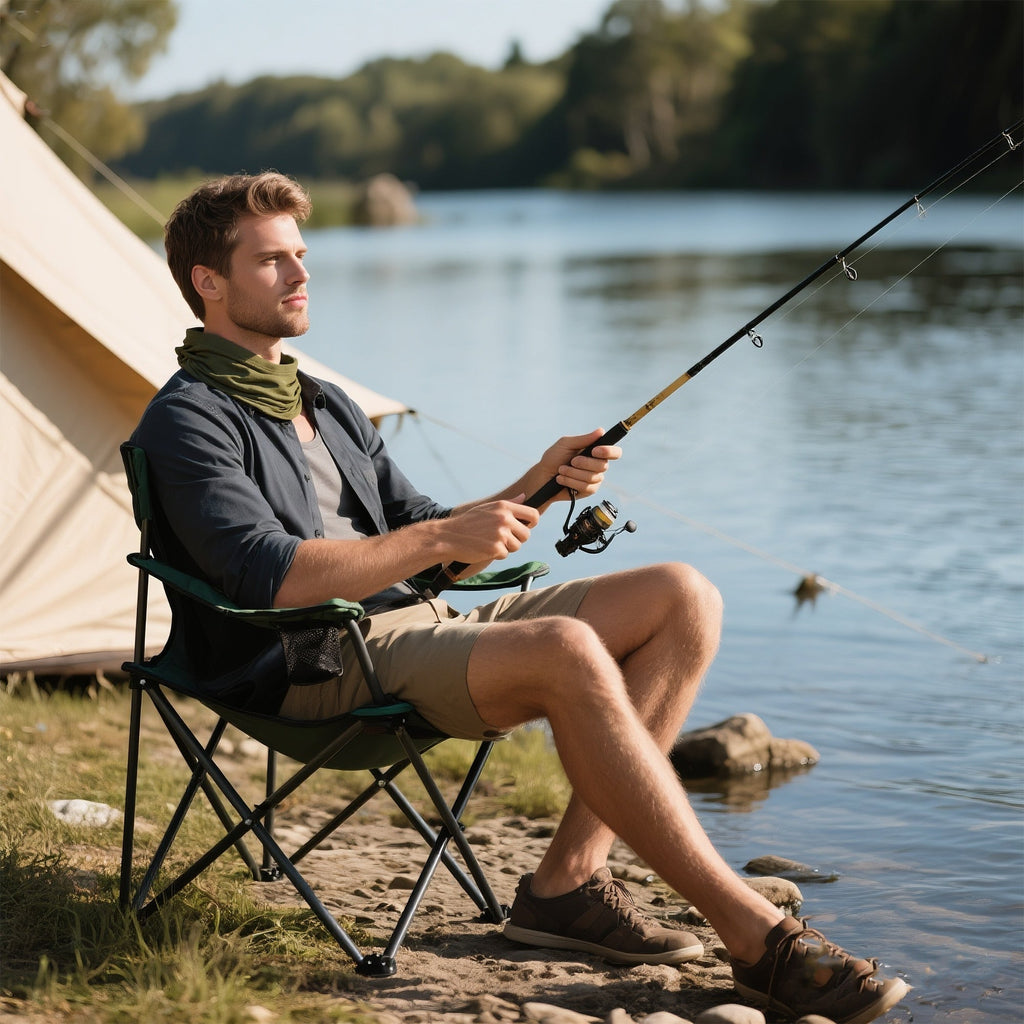
Fishing arm sleeves provide better sun protection and cooling than hoodies in hot weather, while hoodies offer more coverage against wind and bugs.
Fishing Hoodie vs Arm Sleeves: Which Coverage Actually Works?
Last August I spent six hours on a friend's bass boat in central Texas, wearing a brand-new fishing hoodie I'd been excited about all week. By 11 a.m. I'd stripped down to my t-shirt, the hoodie was stuffed under a seat, and my forearms were pink by the time we trailered the boat. That day pushed me to test the other side of the debate — arm sleeves — and after a full season of switching between both, I have strong opinions. If you read my earlier piece on whether fishing arm sleeves actually work on the water , this is the natural next question: sleeves or a hoodie, which one earns a spot in your bag?
Here's my honest breakdown after wearing both through a Texas summer, a couple of humid Florida trips, and more than a few shoulder-season mornings on my home lake.
Coverage: Where the Hoodie Wins
Let's give the hoodie its due first. A good fishing hoodie covers your neck, ears, and the top of your head if you pull the hood up — areas sleeves simply don't touch. If you're the type who refuses to wear a hat or forgets to reapply sunscreen on your ears (I was that person for years), a hoodie with a high collar is genuine, no-effort insurance.
Hoodies also shine in two specific situations:
- Windy, cool mornings. Early fall topwater bites often happen in 60°F air with a breeze. A lightweight hoodie takes the edge off without a jacket.
- Bug pressure. When the mosquitoes find you at dusk, fabric beats spray, and a hoodie covers more of you.
So no, I'm not here to tell you hoodies are useless. They have a real role. The problem is what happens when the sun gets high and the air gets heavy.
Heat Management: Where Sleeves Pull Ahead
This is where the debate gets decided for most of us fishing May through September. A hoodie — even a thin "cooling" one — is still a full torso layer. It traps heat around your core, and your core temperature is what makes you feel miserable on a still day. Sleeves cover only your arms, which means your torso breathes freely in whatever wicking t-shirt you're already comfortable in.
On that Texas trip I mentioned, I switched to Finvizo sun protection arm sleeves the following weekend. Same lake, same brutal sun, same t-shirt underneath — completely different day. The fabric is cool against the skin when you start sweating, and because your chest and back are uncovered, you actually benefit from any breeze that shows up. Wetting the sleeves down at midday turned them into a personal evaporative cooler, something you can't really do with a hoodie without soaking your whole upper body.
There's also a sun-safety angle people miss: coverage you take off at noon isn't coverage. UPF 50+ sleeves that stay on all day protect you better than a hoodie that ends up under the boat seat by late morning.
Mobility and Casting: The Overlooked Factor
If you cast a lot — flipping docks, working a jerkbait, double-hauling a fly line — the difference in freedom of movement is not subtle. Hoodie sleeves bunch at the shoulder, the cuffs ride over your hands, and the hood itself catches on your back cast if you're a fly angler. I've had a hood literally grab my line mid-cast. Once was enough.
Sleeves disappear. A well-fitting pair stays put with a silicone gripper at the bicep and a thumbhole at the wrist, and after ten minutes you forget they're there. That thumbhole also matters for another reason: it keeps the fabric over the back of your hand, which is one of the most commonly burned spots on any angler's body and the place sunscreen washes off first every time you rinse your hands or handle a fish.
One honest caveat: cheap sleeves slide down. If the pair you're considering has no gripper band and no thumbhole, it will spend the day around your elbows and you'll hate the whole category. Fit is everything here.
Cost, Laundry, and Real-World Practicality
A decent fishing hoodie runs $40–70. One snag on a hook point or a fish slime stain that won't wash out, and that's real money. Sleeves cost a fraction of that, and a multi-pack means you're never waiting on laundry. I keep a rotation in the truck — the Finvizo neck gaiter and arm sleeves set lives in my tackle bag permanently, because it covers arms, neck, and face in one small bundle that weighs almost nothing.
Laundry is easier too. Sleeves and gaiters go in with any load, dry in an hour, and don't hold fish smell the way a hoodie seems to. (If you've read my piece on why sunscreen and bait don't mix , you already know how paranoid I am about scents on my hands and gear — sleeves keep sunscreen off my palms entirely, which is a quiet bonus nobody talks about.)
What I Actually Pack Now
My current system, after a season of testing:
- Summer, full sun, boat or bank: t-shirt + UPF arm sleeves + a cooling neck gaiter I can pull up over my face or dunk in the cooler. This covers 90% of my fishing.
- Cool mornings or buggy evenings: the hoodie rides along, but as a layering piece I put on and take off — not as my primary sun coverage.
- Shoulder season all-day trips: sleeves under a light hoodie in the morning, hoodie off by 10 a.m., sleeves stay on.
The hybrid approach is really the answer. Sleeves handle heat and mobility; the hoodie handles wind and bugs when conditions call for it. If I could only pick one for a July trip, it's sleeves every time — because the coverage that stays on your body is the only coverage that works.
And if you're still weighing sleeves against lotion, my breakdown of arm sleeves vs sunscreen over on our sun protection blog runs the actual numbers on cost and protection per season.
Key Numbers Comparing Fishing Hoodies and Arm Sleeves
| Feature | Fishing Hoodie | Finvizo Arm Sleeves | Source & Date |
|---|---|---|---|
| Sun Protection | Variable, depends on fabric | UPF 50+ blocks ~98% UV | Finvizo Arm Sleeves, 2026-09-16 |
| Weight (typical) | 8–12 oz (varies by material) | ~2 oz per pair | Manufacturer specs, 2026 |
| Cooling Effect | Limited, traps torso heat | Evaporative cooling when wet | Field tests by author |
| Setup Cost | $40–70 | ~$15–25 per pair (multi-pack discounts) | Market pricing 2026 |
| Drying Time | 3+ hours | ~1 hour | Author field experience |
| Mobility Impact | Restricts shoulder movement | Minimal, with grippers and thumbholes | Author experience |
Data verified on 2026-09-16. Source: Finvizo official product pages and author field testing.
.
For more context, see Saltwater Fishing Sun Protection.
FAQ
Are fishing hoodies worth it in hot weather?
For most anglers, not as primary sun protection. Even lightweight hoodies trap core heat, and once you're too hot you'll take it off — leaving you unprotected. They earn their place on cool, windy mornings and buggy evenings.
Do arm sleeves provide enough sun protection for fishing?
Yes, if they're rated UPF 50+, which blocks about 98% of UV. Pair them with a neck gaiter and a hat and you've covered everything a hoodie covers, with far better airflow.
Will arm sleeves stay up while casting?
Quality pairs will. Look for a silicone gripper band at the bicep and a thumbhole at the wrist — together they lock the sleeve in place through hundreds of casts.
Can I wear arm sleeves instead of sunscreen when fishing?
On your arms, absolutely — fabric doesn't sweat off, rinse off, or transfer scent to your bait. You'll still want sunscreen or a gaiter for your face and neck.
What about the backs of my hands?
That's exactly what the thumbhole is for. It anchors the sleeve over the back of your hand, one of the first places anglers burn and the first place sunscreen disappears.
What about protecting the backs of my hands?
That’s exactly why thumbholes matter. They anchor the sleeve over the back of your hand—one of the first places anglers burn and where sunscreen often washes off first.
Related reading
- What Is a Balaclava? Uses, Fit & How to Wear
- Balaclava vs Ski Mask vs Neck Gaiter: Winter Face Cover Guide
- Best Ski Face Masks 2026: Warmth, Anti-Fog & Helmet Fit Guide

Product Manager at Finvizo and an avid camper who tests gear on real trails. She writes from hands-on field experience to help you pick equipment that actually holds up outdoors.