What Is a Balaclava? Uses, Fit & How to Wear One
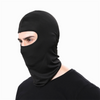
A balaclava is a close-fitting head covering that wraps your head, neck, and most of your face, leaving only your eyes — and sometimes your nose and mouth — exposed. It started as Crimean War knitwear in the 1850s and ended up on every ski lift and job site in America, because nothing else seals in heat quite like it.
If you're trying to figure out how it stacks up against the gear you already own, I put it head-to-head in Balaclava vs Ski Mask vs Neck Gaiter. This guide is the foundation piece: what a balaclava actually is, who it's for, and how to wear one without feeling like you're robbing a bank.
What Is a Balaclava, Exactly?
The name comes from Balaklava, a Crimean town where British soldiers were issued knitted head covers during a brutal winter campaign. The design hasn't changed much in 170 years because it didn't need to: one piece of fabric, full head coverage, a face opening, and a long skirt that tucks into your collar.
What makes it different from a beanie or a scarf is that it's a system. A beanie leaves your ears and neck exposed; a scarf shifts every time you turn your head. A balaclava moves with you and covers the exact spots where you lose heat fastest — ears, cheeks, neck, and the back of your head. That single-piece design is why skiers, motorcyclists, linemen, and winter runners all end up in one eventually.
Balaclava vs Ski Mask vs Neck Gaiter
These three get confused constantly, so here's the clean breakdown:
- Balaclava: covers head + neck + face, one piece, usually with an adjustable or convertible face opening. Maximum warmth and wind protection.
- Ski mask: in American usage, it's the same garment — "ski mask" is just the casual name for a balaclava with full face coverage. Some people use it for shorter, beanie-plus-face styles.
- Neck gaiter: a simple tube that covers only your neck and lower face when pulled up. Lighter, more breathable, but leaves your head bare.
My rule of thumb after years of winter testing: gaiter above 30°F, balaclava below it, and both layered together when the wind chill drops into the teens.
What People Actually Use Them For
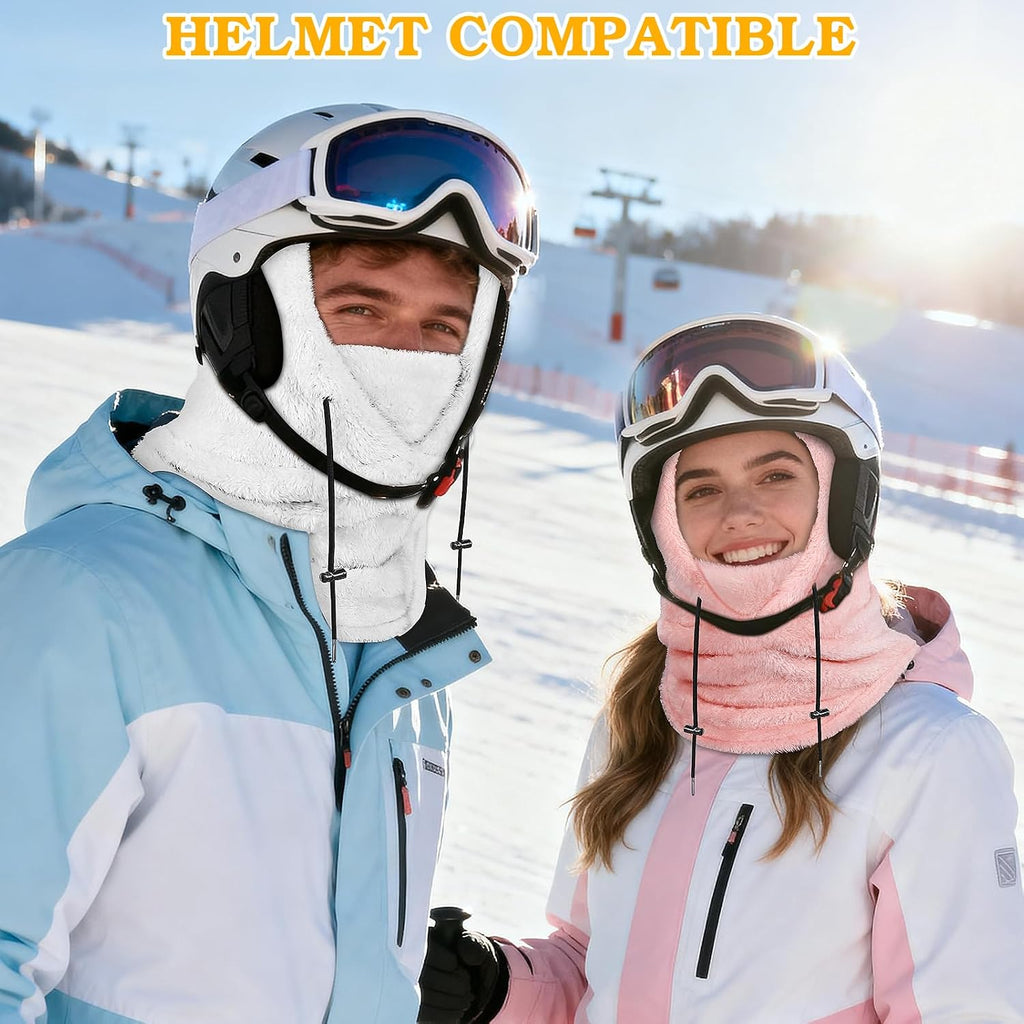
Skiing and snowboarding are the obvious ones — a balaclava under a helmet kills the gap between your jacket collar and goggles, which is where lift-ride wind does its damage. Motorcyclists wear thin ones year-round under helmets for comfort and to keep helmet liners clean. Winter runners and cyclists pick breathable versions with mesh mouth panels. And anyone who works outside — construction, delivery, utility crews — treats a fleece balaclava as standard issue from November through March.

I've worn mine ice fishing, shoveling the driveway, and on one memorable 4 a.m. airport shuttle wait in a sideways snowstorm. The common thread is wind plus stillness: the moment you stop generating body heat, a Finvizo balaclava earns its pocket space.
How Should a Balaclava Fit?
A good fit feels like a firm hug, not a squeeze. The face opening should sit just under your cheekbones without sliding into your eyes when you look down, and the skirt should reach at least two inches below your collar line so it stays tucked. If you wear it under a helmet, go thin and smooth — seams and toggles on top of the head become pressure points after an hour.
Sizing tip most brands won't tell you: if you're between sizes, size down for active use (running, skiing) so it stays put, and size up for static use (spectating, ice fishing) so you can layer it over a beanie.
As for actually wearing it day to day: put the balaclava on before you zip your jacket, tuck the skirt deep into your collar, and then zip up over it — that locks the seal. Wear goggles or glasses over the face opening, not under, so your breath vents downward instead of fogging your lenses. And pull the opening below your nose the moment you step indoors; a damp balaclava against your face in the cold is miserable, and indoor venting keeps it dry for the trip back out. One last trick from too many frozen mornings: if the face opening stretches out by mid-season, a single wash in warm water usually shrinks the knit back to spec.
Materials: Fleece, Merino, Silk, or Synthetic?
Fleece is the workhorse — warm, cheap, machine washable, and it insulates even when damp. Most people should start here. Merino wool breathes better and resists odor on multi-day trips, at roughly double the price. Silk is the ultralight helmet liner for mild cold. Synthetic blends (polyester-spandex) dry fastest and suit high-sweat sports.
Whichever material you land on, check the inside face before you buy: brushed or grid-backed fleece traps noticeably more warm air than flat-knit fabric of the same weight. That inner texture is doing the real insulating work, and it's the difference you feel at a windy bus stop — not the number printed on the tag.
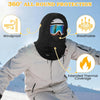
For a first buy, I'd point you at the Finvizo Winter Balaclava Ski Mask — fleece-lined, helmet-compatible, with a convertible face opening you can pull below your chin on the lift line without taking the whole thing off. That convertibility matters more than any spec sheet number, because a balaclava you can vent is one you'll actually keep on.
FAQ
What is the point of a balaclava?
One garment that seals your head, ears, neck, and face against cold and wind at once. It covers the high-heat-loss zones a hat and scarf leave exposed, and it stays in place when you move — which is why it's standard gear for skiing, motorcycling, and outdoor work.
Is a balaclava the same as a ski mask?
In the US, yes — the terms are used interchangeably. "Ski mask" is the everyday name; "balaclava" is the product and industry name. Both describe a close-fitting head and face covering with an opening for the eyes (and sometimes nose and mouth).
How do you pronounce balaclava?
"Bal-uh-KLAH-vuh" — four syllables, stress on the third. It's named after Balaklava in Crimea, and the pronunciation comes straight from the town.
Can you wear a balaclava under a helmet?
Absolutely — that's one of its best uses. Choose a thin, low-profile fleece or synthetic version without bulky seams on top, and make sure your helmet still fits snug; if the balaclava changes the fit, loosen the helmet's retention system slightly and recheck.
Do balaclavas actually keep you warmer than a hat and scarf?
Yes, mainly because there are no gaps. A hat-plus-scarf setup leaks heat every time the scarf shifts; a balaclava's one-piece design keeps the warm air layer sealed around your head and neck, and the tucked skirt stops wind from pumping cold air down your collar.
Warm weather flips the logic — on the water in July I trade the balaclava for sun coverage, and my fishing face cover vs neck gaiter vs sun mask guide walks through that call.

Written by Vivian J
Product Manager at Finvizo and an avid camper who tests gear on real trails. She writes from hands-on field experience to help you pick equipment that actually holds up outdoors.