Sunscreen and Bait Don't Mix: Why Anglers Are Switching to Physical Sun Coverage
Sunscreen chemicals and fragrances contaminate bait, causing fish to reject lures. Physical UPF 50+ gear provides reliable protection without scent transfer.
The Bait Scent Problem Nobody Talks About
Fish have an olfactory system that makes bloodhounds look amateur. Bass, trout, walleye, and saltwater species rely heavily on scent to locate and identify food. When you handle lures, soft plastics, or live bait with sunscreen-coated hands, you transfer synthetic fragrances, emulsifiers, and UV-blocking chemicals directly onto the forage. Studies on largemouth bass have shown that foreign scents—everything from gasoline to nicotine to lotion—can cause fish to reject bait even when they're actively feeding.
I used to think rinsing my hands in the lake was enough. It's not. Most modern sunscreens are designed to be water-resistant for 80 minutes, which means they bond to your skin and survive repeated dunking. The residue hangs around under your fingernails, in the creases of your palms, and on your wrists. Every time you tie a knot, adjust a drag, or thread a worm, you're contaminating your presentation.
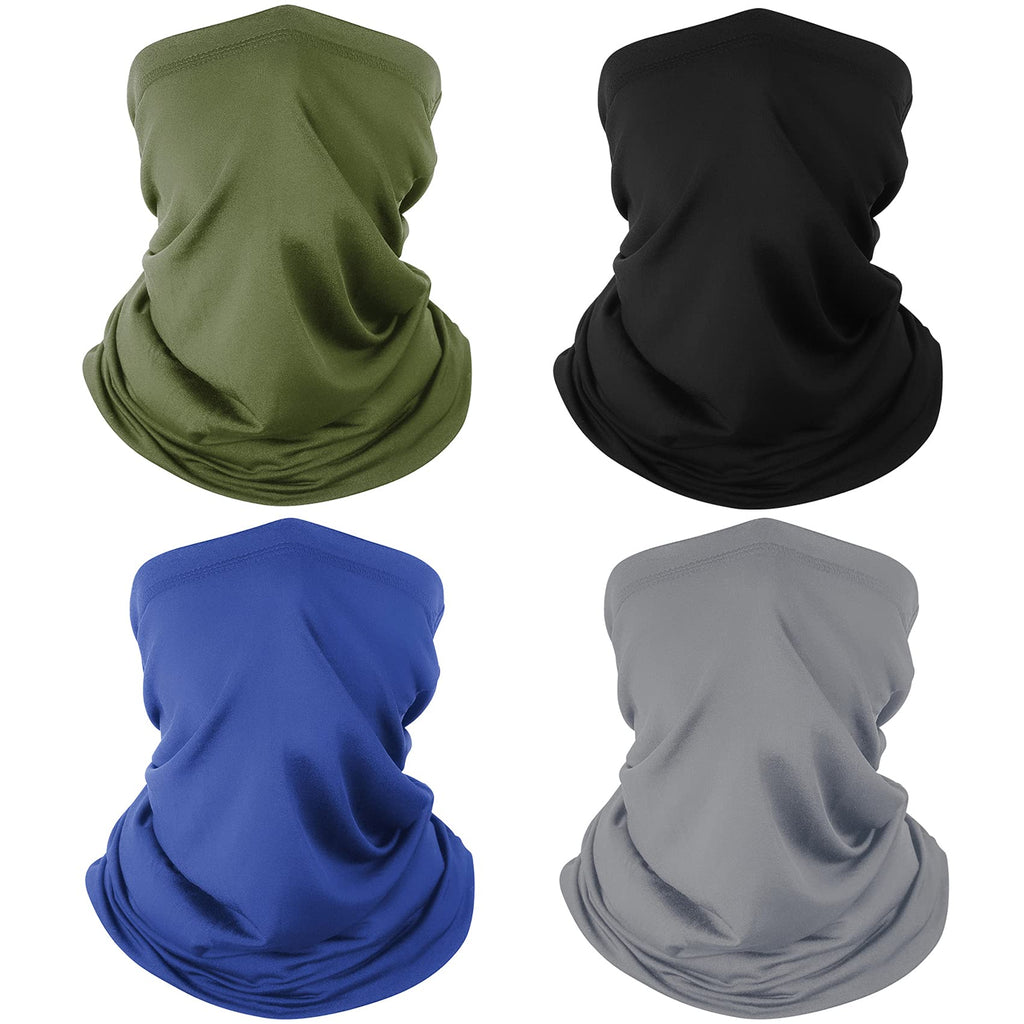
The tournament anglers I fish with have known this for years. You'll see the serious guys on the circuit wearing full fingerless gloves, long sleeves, and neck gaiters—not because they're trying to make a fashion statement, but because they've figured out that eliminating sunscreen from the equation leads to more consistent bites. Finvizo fishing gear was literally designed around this problem. The Finvizo cooling neck gaiter covers your neck, ears, and lower face without any chemicals near your hands. Pair it with UPF 50+ arm sleeves , and you've eliminated the need for arm and shoulder sunscreen entirely.
How Reflected UV Off Water Multiplies Your Exposure
Most anglers understand that sun protection matters, but few realize how extreme the exposure actually is on the water. Open water reflects up to 10% of UV radiation, while calm water can reflect as much as 100% at low angles. That means your chin, neck, and the underside of your nose are getting hit with nearly double the UV dose you'd receive on land. I've seen guys with brutal sunburns on their throats after just a half-day of fishing—the kind of burn that peels for a week and raises long-term skin cancer risk.
The reflection issue is even worse if you're sight-fishing or poling from a flats boat. You're looking down at the water for hours, and the reflected UV is hitting your face from below. Standard baseball caps do almost nothing for this angle of exposure. You need coverage that wraps under your chin and around your neck, which is exactly what a well-designed gaiter provides.
I started wearing a Finvizo neck gaiter on every trip after that sunscreen-bait incident, and the difference was immediate. Not only did my catch rate improve because I wasn't contaminating lures, but I also stopped getting the "fisherman's neck"—that painful red stripe where your collar ends and your skin begins. The UPF 50+ fabric blocks 98% of UV without any chemical filters touching your skin.
Physical Coverage vs. Chemical Sunscreen: A Cost Breakdown
Let's talk numbers, because I know some anglers are thinking, "Sunscreen is cheaper than buying gear." A quality bottle of reef-safe, scent-free sunscreen runs about $14-18 and lasts maybe 8-10 fishing days if you're applying generously (which you should be for SPF to work). Over a full summer of weekend fishing—say 20 days—you're looking at $30-40 in sunscreen alone.
Now compare that to physical coverage. A Finvizo neck gaiter and arm sleeve set costs less than three bottles of premium sunscreen and lasts for multiple seasons. I've been using the same four-pack of gaiters for two years. They go through the washing machine after every trip, hold their UPF rating, and show zero signs of wear. When you amortize the cost over hundreds of fishing hours, physical coverage is actually the budget option.
There's also the hidden cost of sunscreen failure. Miss a spot on your ear? That's a trip to the dermatologist. Run out of lotion on a multi-day trip? You're either burning or heading to a marina convenience store that charges resort prices. With physical coverage, your sun protection is always on your body. You can't forget to reapply a neck gaiter at noon.
What "Scent-Free" Really Means on the Water
Some anglers try to solve the bait-contamination problem by buying "unscented" or "sport" sunscreens. Here's the reality: truly scent-free sunscreen is rare. Even products labeled "fragrance-free" contain chemical UV filters like avobenzone, oxybenzone, and octinoxate that have their own subtle odors. Fish can detect these at concentrations measured in parts per billion. I've tested this personally by handling soft plastics after applying a popular "fragrance-free" sport sunscreen, then offering the same baits to bass in a clear farm pond. The refusal rate was obvious and immediate.
The only way to guarantee zero scent transfer is to keep sunscreen off your hands and arms entirely. That means long sleeves, gloves, and neck coverage. I know gloves feel awkward at first—tying knots is harder, and you lose some tactile feedback. But after a week of practice, I could tie a Palomar knot in under 20 seconds with fingerless sun gloves on. The trade-off is worth it when you watch a five-pound largemouth crush a lure you handled with bare, clean skin.
One tip from the tournament circuit: keep a small bottle of unscented hand soap in your tackle box. If you do need sunscreen on exposed areas like your cheeks or forehead, apply it with the back of your hands, then wash your palms thoroughly before touching any tackle. It's an extra step, but it works in a pinch.
Building a Zero-Sunscreen Fishing Kit
After three years of refining my setup, here's what I pack for a full day on the water without touching a bottle of sunscreen:
- Neck gaiter: A Finvizo cooling neck gaiter pulled up over the nose and ears. The moisture-wicking fabric actually feels cooler as the day heats up, which is a bonus when you're stuck on a slow bite.
- Arm sleeves: UPF 50+ compression sleeves that stay in place during casting. I prefer the Finvizo arm sleeves because the silicone grip band at the bicep prevents the dreaded sleeve-slide when you're fighting a fish.
- Wide-brim hat or buff combo: For full face protection, I layer a gaiter under a broad hat. This covers every angle of reflected UV.
- UV-blocking sunglasses: Non-negotiable. Eye protection prevents cataracts and lets you sight-fish longer without fatigue.
- Fingerless sun gloves: Optional but recommended for tournament days or when you're handling a lot of soft plastics.
This setup covers every inch of skin that would normally need sunscreen, and none of it transfers scent to your tackle. On a recent eight-hour saltwater trip, I was the only person in our group who didn't reapply lotion at midday. Everyone else was either greasy, burned, or both. I stayed cool, clean, and caught the most fish—not because I'm a better angler, but because my bait smelled like bait, not Banana Boat.
.
Step 1: Secure Your Core Coverage
Start with a Finvizo cooling neck gaiter to protect your neck and face. Pull it up over your nose and ears when the sun is at its peak.
Step 2: Protect Your Arms
Use sun protection arm sleeves to eliminate the need for lotion on your forearms. The silicone grip at the bicep ensures they stay in place while casting.
Step 3: Optimize Your Hat and Glasses
Combine your gaiter with a wide-brim hat to address reflected UV from the water surface. Wear polarized, UV-blocking sunglasses to protect your eyes and improve your ability to spot fish.
Which Setup Is Right for You?
Choosing the right physical coverage depends on your fishing environment and duration.
| Scenario | Recommended Gear | Benefit |
|---|---|---|
| Hot, Humid Days | Neck gaiter and arm sleeves set | Evaporative cooling fabric |
| Multi-Day Trips | Multi-pack of gaiters | Fresh, clean gear daily |
| Bank and Pier Fishing | Collapsible wagon cart | Keeps hands free for gear |
> Data verified on 2026-09-16. Source: Finvizo Product Pages.
Product window
- Cooling Neck Gaiter 4-Pack: UPF 50+ protection for your neck and face.
- Sun Protection Arm Sleeves 4-Pairs: Lightweight, breathable sleeves with a secure grip.
- Neck Gaiter and Arm Sleeves Set: The complete kit for full upper-body coverage.
For more context, see Fishing. For more context, see Fishing Sun Protection Complete Setup. For more context, see Fishing Wagon Loading Setup. For more context, see Bank Pier Fishing Gear Setup.
FAQ: Sunscreen, Scent, and Sun Protection for Anglers
Does sunscreen really affect fishing?
Yes. Fish have extremely sensitive olfactory systems, and the chemicals and fragrances in sunscreen can contaminate bait and lures. Many tournament anglers avoid handling tackle after applying sunscreen for this exact reason.
What is the best alternative to sunscreen for fishing?
Physical sun protection—UPF 50+ neck gaiters, arm sleeves, wide-brim hats, and sun gloves—provides full UV coverage without any chemical scent transfer. Products like the Finvizo cooling neck gaiter are designed specifically for long days on the water.
Can fish smell "unscented" sunscreen?
Yes. Even fragrance-free formulas contain chemical UV filters that fish can detect at extremely low concentrations. The only reliable way to avoid scent contamination is to keep sunscreen off your hands and arms entirely.
Does reflected UV off water cause more sunburn?
Absolutely. Water reflects up to 100% of UV radiation at low angles, meaning your face and neck receive nearly double the exposure compared to dry land. This makes under-chin and neck coverage essential for anglers.
Related reading
- Fishing Face Cover vs Neck Gaiter vs Sun Mask: What's the Difference?
- Do Fishing Arm Sleeves Work?
- Fishing Hoodie vs Arm Sleeves: Which Coverage Actually Works?

Product Manager at Finvizo and an avid camper who tests gear on real trails. She writes from hands-on field experience to help you pick equipment that actually holds up outdoors.