Best Ski Face Masks 2026: Warmth, Anti-Fog & Helmet Fit Guide
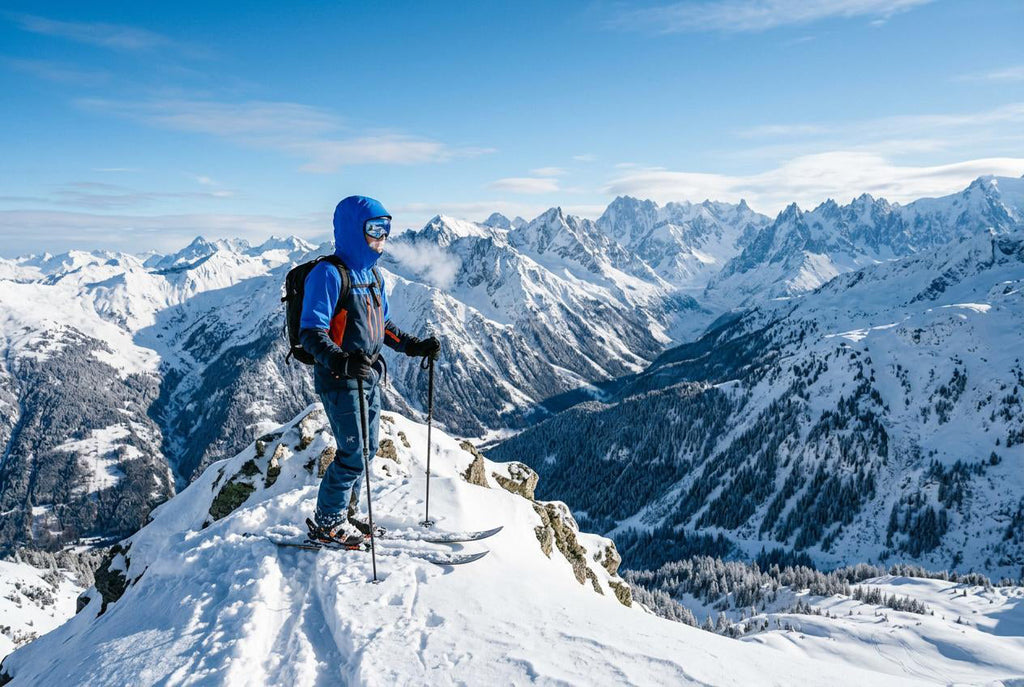
The best ski face mask for 2026 is a fleece-lined balaclava with a mesh breathing panel, offering warmth, anti-fogging, and perfect helmet fit.
Finvizo Winter Balaclava Ski Mask — windproof fleece, full-coverage warmth
For skiers, riders, and winter commuters who want head, face, and neck coverage in one piece, this windproof fleece balaclava seals out snow and cold.
View ProductOur Pick: Finvizo Winter Balaclava Ski Mask
Explore the Finvizo Winter Balaclava Ski Mask for reliable warmth and breathability designed for cold-weather skiing and snowboarding.
Shop the Winter Balaclava Ski Mask
Check Price on FinvizoSki Face Mask Types Compared
- Fleece balaclava: Excellent warmth, good fog control when it has a mesh mouth panel, and the cleanest helmet fit. Best for storm days and sub-20°F mornings.
- Half face mask: Good warmth with the best ventilation of any style. Best for mild days and spring laps.
- Fleece neck tube: Good warmth, moderate fog control, zero bulk under a helmet. Best for layering and budget kits.
- Hinged balaclava: Very good warmth and ventilation, slightly bulkier at the hinge. Best for eating and drinking on the lift without peeling everything off.

What Actually Matters (and What Doesn't)
Breathability at the mouth is paramount. You exhale a surprising amount of moisture while riding. If that moisture cannot escape through the fabric, it condenses on your goggle lens. Look for a mesh or laser-cut breathing zone — this single feature prevents the majority of fogging complaints I hear.
Fleece weight matters more than brand names. Midweight fleece (around 200 gsm) covers the 15–35°F range, which is most resort days. Heavyweight fleece earns its place on extreme storm days or high-wind ridgelines, but it is overkill for a bluebird groomer day.
Flat seams and a long neck drape. Raised seams create pressure points under a helmet after two hours. A long neck drape stays tucked into your jacket so wind never reaches exposed skin.
What doesn't matter much: flashy camo prints, "windproof" marketing panels that block breath along with wind, and extra zippers you will never touch with gloves on.
The Numbers Worth Remembering
- 15–35°F: the comfort range for midweight fleece.
- 1 finger-width: how far below the goggle frame the top edge of your mask should sit, so breath cannot channel up into the lens.
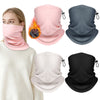
- 4-pack: the practical way to manage gear — one on your face, one in your bag, spares for the week. The Finvizo winter fleece neck gaiter 4-pack covers exactly that rotation.
How I Test Ski Masks
Every mask I recommend has been through the same routine: a freezing first-chair ride at 8 a.m., a high-output bump run to get my breathing rate up, and a long lift ride where I watch whether my goggles fog at the edges. If a mask fogs my lens during the lift test, it fails — no matter how warm it felt on the run. I also wear each one under a helmet for a full day, because a mask that feels fine in the parking lot can create a hot spot by lunch.
Helmet and Goggle Fit: The Interface Nobody Checks
Your mask, goggles, and helmet work as a single system. A gap between goggle and helmet becomes a wind tunnel, while a mask bunched under the goggle strap lifts the lens and invites fog.
The sequence: Pull the balaclava on first, smoothed flat. Seat the goggles on your face with the strap over the balaclava fabric, not over the hood edge. Helmet last. The mask's top edge should sit about a finger-width below the goggle frame. Do a breath check on the first lift — if you feel warm air hitting your eyes, drop the mask edge slightly.
Common Mistakes I See on the Mountain
The biggest one is tucking the mask up over the nose and under the goggle foam, which feels sealed but pumps breath straight onto the lens. The second is wearing cotton anywhere in the system — it holds moisture and gets clammy fast. The third is washing fleece with fabric softener, which coats the fibers and kills wicking. Avoid those three and most "my mask doesn't work" problems disappear.
My 2026 Picks by Skier Type
- Most skiers: A midweight fleece balaclava with a mesh mouth panel. The Finvizo winter balaclava is built with flat seams and a long drape for exactly this job.
- Cold-natured skiers: Step up to the Finvizo fleece balaclava for extra insulation on windy ridgelines.
- Spring skiers and high-output riders: A fleece neck tube like the Finvizo winter neck warmer 4-pack handles fluctuating temperatures and gives you a fresh one every day of a long trip.

Our Pick: Finvizo Winter Balaclava Ski Mask
- Windproof fleece shell — soft warmth that seals out snow and wind on the slopes.
- Full-coverage design — wraps head, face, neck, and ears in one piece.
- Drawstring fit — cinches tight under a helmet or hood without slipping.
- Made to move — flexible cut for skiing, riding, and cold-morning commutes.
Which Ski Face Mask Is Right for You?
Step 1: Assess Your Usual Ski Conditions
- Cold, windy, or stormy weather → Choose a fleece balaclava with a mesh panel for full coverage and warmth, like the Finvizo winter balaclava.
- Mild or spring skiing → Opt for a half face mask or a fleece neck tube such as the Finvizo winter neck warmer 4-pack for ventilation and versatility.
Step 2: Consider Your Activity Level
- High-output skiing or snowboarding → Prioritize excellent breathability with a half face mask or neck gaiter to avoid moisture build-up.
- Casual or cold-natured skiers → Choose heavier fleece balaclavas for maximum insulation.
Step 3: Factor in Helmet Compatibility
- If you wear a helmet, pick masks with flat seams and a slim profile to avoid pressure points and ensure smooth goggle integration.
Step 4: Plan for Mask Rotation and Care
- Buying a 4-pack of neck gaiters or masks supports rotation, so you always have a fresh, dry mask ready. The Finvizo winter fleece neck gaiter 4-pack is designed for this approach.
For more layering details, see our Balaclava Hat and Balaclava Hoodie Worth It guides.
Care: Keep It Breathing All Season
Ski masks absorb sweat, sunscreen, and breath moisture. Machine wash cold every two to three ski days, skip the fabric softener, and air dry or tumble on low. A clean mask wicks better and smells far better in the lodge. I keep a spare in my jacket pocket so a wet mask never ruins an afternoon.
Keep Reading
For deeper layering strategy, see our winter hiking face and neck layering guide , our running scarf vs balaclava breakdown , and — if your cold days involve a tree stand — our hunting face mask guide . You can also browse everything in the Winter & Cold Weather blog , including our balaclava , winter gear , and seasonal guide collections.
FAQ
What is the best face mask for skiing in cold weather?
A midweight fleece balaclava with a mesh breathing panel is the best all-around choice for cold weather. It provides full coverage without interfering with your goggles, and the breathing zone keeps moisture off the lens.
How do I stop my ski mask from fogging my goggles?
Choose a mask with a dedicated breathing zone, and seat the top edge a finger-width below your goggle frame. Never tuck the fabric up under the goggle foam — that channels warm breath directly onto the lens.
Can you wear a ski face mask under a helmet?
Yes, that is the recommended setup. Use a thin, stretchy balaclava with flatlock seams so you avoid pressure points during a long day.
Is a balaclava or neck gaiter better for skiing?
A balaclava wins on cold or windy days because it seals the head and neck. A neck gaiter is ideal for spring skiing and high-output days when ventilation matters more than coverage.
How often should I wash my ski face mask?
Every two to three ski days. Regular washing maintains the fabric's wicking performance, which is what keeps your goggles clear and your face dry.
What should I consider when buying multiple ski masks?
Buying masks in 4-packs allows you to rotate between clean, dry masks throughout your ski trip, improving comfort and hygiene.
Related reading
- What Is a Balaclava? Uses, Fit & How to Wear
- Balaclava vs Ski Mask vs Neck Gaiter: Winter Face Cover Guide
- Neck Gaiter vs Running Scarf vs Balaclava

Product Manager at Finvizo and an avid camper who tests gear on real trails. She writes from hands-on field experience to help you pick equipment that actually holds up outdoors.