Do Fishing Arm Sleeves Work?
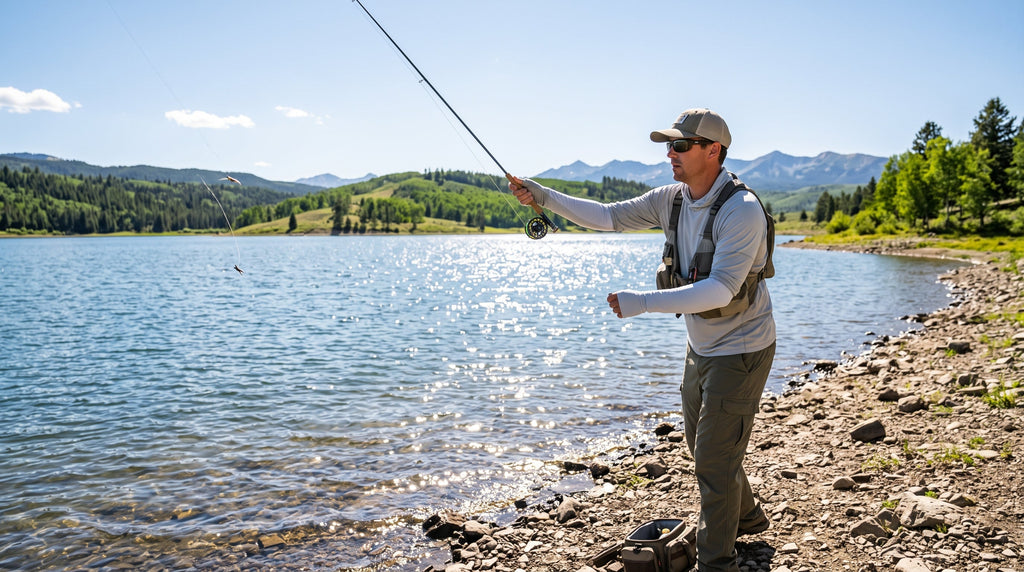
Yes, fishing arm sleeves are highly effective because they provide consistent, non-greasy UPF 50+ protection that does not wear off like sunscreen and helps prevent bait contamination.
What Are Fishing Arm Sleeves?
Fishing arm sleeves are specialized athletic garments designed to provide continuous UV protection, moisture management, and physical shielding for anglers during extended outdoor exposure.
I will be honest — the first time I saw a guy at the boat ramp wearing arm sleeves, I thought it was a fashion thing. Then I spent a July afternoon on the water with a sunscreen-slicked left arm, a sunburned right arm (long story, bad casting habit), and a growing suspicion that he knew something I didn't. Three seasons later, arm sleeves are as much a part of my fishing kit as pliers. If you have read our fishing sun protection complete setup, you know I am a believer in physical coverage over lotion alone. But sleeves specifically raise fair questions: do they actually keep you cooler, do they restrict your cast, and do they hold up to fish slime and hook points? Here is what I have learned wearing them through everything from Texas reservoir heat to misty Pacific Northwest mornings.
Key Facts About Sun-Protection Sleeves
| Feature | Specification | Source |
|---|---|---|
| Sun Protection Rating | UPF 50+ | Finvizo Arm Sleeves |
| Primary Material | Moisture-wicking performance fabric | Finvizo Cooling Neck Gaiter |
| Cooling Mechanism | Evaporative cooling via sweat | Do Arm Sleeves Actually Keep You Cool? |
What Arm Sleeves Actually Do
Let's set expectations straight. A good UPF 50 fishing arm sleeve does three things very well:
- It blocks UV without a timer. Sunscreen on your forearms wears off in about two hours — faster if you are handling fish, wiping sweat, or dunking your hands to wet a knot. A sleeve does not care. It blocks roughly 98% of UV from the moment you put it on until you take it off.
- It keeps bait scent off your hands. If you read my piece on why sunscreen and bait don't mix, you know chemical sunscreen transfers to your line, your lures, and your soft plastics — and fish can smell it. Sleeves mean less lotion on your arms in the first place.
- It adds a light barrier against brush, bugs, and hook rash. Flipping docks and walking bank trails means thorns, mosquitoes, and the occasional treble hook grazing your wrist. A sleeve takes those hits instead of your skin.
What it does not do: replace common sense. You still need shade breaks, water, and coverage on your neck and face. A sleeve is one piece of the system, not the whole thing. I put together a dedicated walkthrough on protect neck sun fishing guide that pairs perfectly with sleeves.
Comparison: Sunscreen vs. Arm Sleeves
| Dimension | Arm Sleeves | Chemical Sunscreen |
|---|---|---|
| Protection Duration | Continuous (as long as worn) | Limited (requires reapplication) |
| Surface Residue | None | Greasy/Slick |
| Bait Contamination | No risk | High risk |
| Cooling Effect | Evaporative cooling | None |
| Limitations | May feel warm in zero-breeze | Requires frequent application |
> Data verified 2026-09-16. Sources: linked product and guide pages in this article.
But Do They Make You Hotter?
This is the question I get most, and I get it — the idea of adding a layer in 95-degree heat sounds insane. The counterintuitive truth is that modern cooling sleeves actually run cooler than bare skin in direct sun, for two reasons.
First, they stop the sun from heating your skin directly. Hold your bare forearm in full sun for ten minutes, then hold a white or light-colored sleeve in the same sun. The fabric surface gets warm, but the skin underneath stays dramatically cooler because it is not absorbing radiation. Second, the moisture-wicking fabric turns your own sweat into an evaporative cooling system. On a dry, windy day at the lake, I genuinely feel the temperature difference the moment I pull them on.
Where sleeves lose: dead-humid, windless conditions. In Gulf Coast swamp air with zero breeze, evaporative cooling barely works, and a sleeve can feel muggy. My fix is the same trick kayak anglers use — dip the sleeve in the cooler or the lake every hour or so. A wet cooling towels 4-pack or sleeve in any kind of breeze is legitimately cold against the skin.
How to Choose the Right Sleeves
Step 1: Check for a Silicone Grip
Not elastic alone — elastic loses the fight against sweat and casting motion by mid-morning. A thin silicone dot or wave band keeps the top cuff planted without cutting off circulation. If the band leaves a deep red ring, the sleeve is too small.
Step 2: Evaluate Thumbhole Design
The back of your hands burn fast when you are holding a rod all day. Thumbhole sleeves extend coverage to the knuckles and anchor the whole sleeve so it cannot ride up on the cast. I resisted thumbholes for years thinking they would interfere with my grip; they do not, as long as the palm side is open.
Step 3: Inspect Seam Placement
You bend your arm hundreds of times a day between casting, setting the hook, and netting fish. A raised seam in the elbow crease will rub you raw by lunch. Always verify flat seams on the inside of the elbow.
The sun protection arm sleeves 4-pairs hit all these markers. If you are building out a full kit, the neck gaiter arm sleeves set covers arms, neck, and face in one shot. For more specific advice on gear setups, check out our guide on fishing hoodie vs arm sleeves or our tips for kayak fishing sun protection.
Durability and Maintenance
Fishing is hard on gear, and sleeves are no exception. Here is my honest wear report after a full season:
- Fish slime and blood: Rinses out fine if you hit it the same day. Let it dry for a week and you will have a faint stain forever. I rinse mine in the lake or at the cleaning station before I even leave.
- Hook snags: Treble hooks will pull threads. It happens maybe once every few trips, and a small pull is cosmetic, not fatal. Keep snips handy and cut the loop instead of yanking it.
- Sunscreen and DEET: Both degrade stretchy fabric over time. Since the whole point is wearing less sunscreen, this mostly solves itself — but keep bug spray off your sleeves or they will get baggy within a month.
- Washing: Cold water, mild detergent, hang dry. The dryer murders the elasticity and the UPF treatment. Mine went through roughly 30 washes last season before the grip band started losing its bite, which I consider a fair lifespan for something I wear in saltwater and fish guts.
FAQ
Do arm sleeves actually protect you from the sun while fishing?
Yes, a UPF 50 rated sleeve blocks about 98% of UV rays continuously with no reapplication required, providing a significant advantage over sunscreen that can sweat or wash off.
Are fishing arm sleeves hot to wear in summer?
No, they are designed to keep skin cooler than bare arms by blocking direct radiant heat and utilizing moisture-wicking fabric to create an evaporative cooling effect in the presence of a breeze.
Should fishing arm sleeves have thumbholes?
Thumbholes are highly recommended because they extend sun protection to the back of your hands and prevent the sleeve from sliding down during repetitive casting motions.
How do you keep arm sleeves from sliding down?
Ensure you choose sleeves with a silicone grip band at the bicep rather than relying solely on elastic, and verify you are wearing the correct size to maintain a snug, secure fit.
Can you wear arm sleeves in saltwater?
Yes, they are excellent for saltwater environments, provided you rinse them thoroughly in fresh water after each trip to prevent salt buildup from stiffening the fabric.
Related reading
- Volleyball Arm Sleeves: Why Players Wear Them & Top Picks
- Do Arm Sleeves Actually Keep You Cool? Here's the Science
- Football Arm Sleeves: Grip, Turf Burn & Sun Picks

Vivian J is a Product Manager at Finvizo and an avid outdoor enthusiast. She tests gear on real trails and writes from hands-on field experience to help readers choose equipment that performs reliably outdoors.