Cold-Weather Fishing: Neck Gaiters & Layering for Fall Mornings
Layer with moisture-wicking base, fleece vest, windproof shell, and neck gaiter to stay warm and protected on cold fishing mornings in the US.
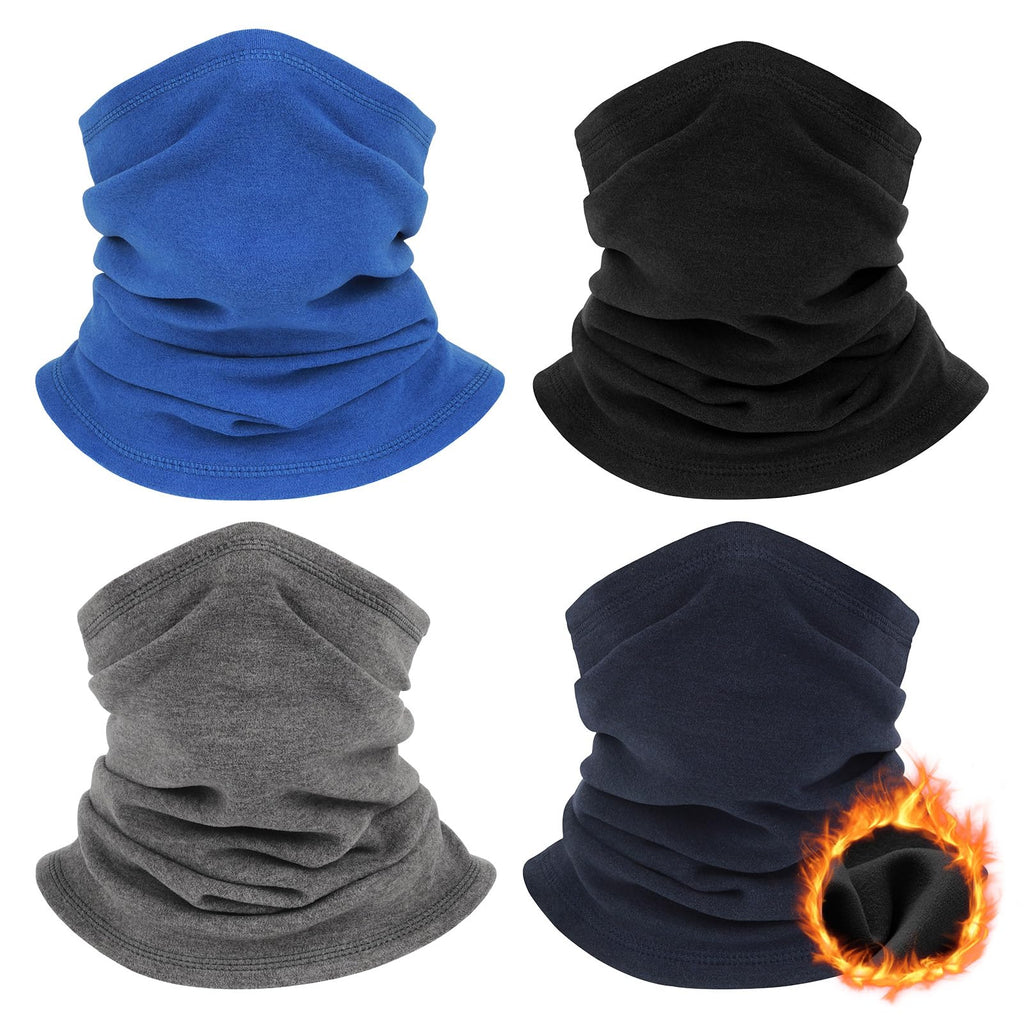
Finvizo Winter Fleece Neck Gaiter (4-Pack) — Windproof thermal tube scarf and helmet liner for cold mornings
View ProductCold-Weather Fishing: Neck Gaiters & Layering for Fall Mornings
There's a specific kind of cold that only fall anglers know: 5:40 AM at the boat ramp, 44 degrees, breath fogging, fingers stiff on the trailer winch — and the bass feeding like it's the last meal of their lives. Summer was about surviving the sun (I covered that system in our complete fishing sun protection setup ). Fall flips the problem. Now the first two hours are about staying warm enough to fish well, then shedding layers fast when the sun climbs. After too many seasons of shivering through the best bite of the day, here's the layering system that finally works for me.
Why Cold Mornings Ruin More Trips Than Heat Ever Did
Heat makes you miserable; cold makes you bad at fishing. That's the honest difference. When your hands are numb, your knot-tying falls apart. When your core is chilled, you rush retrieves, skip the far corner of the dock, and subconsciously fish fast so you can move and warm up. I've watched myself do all of it.
The fall pattern makes it worse because the temperature swing is brutal. It might be 44 at launch and 72 by 11 AM. Dress for the morning and you're sweating by lunch. Dress for midday and you're useless for the dawn bite — which, in September and October, is often the only bite that matters. The answer isn't a bigger jacket. It's a system of thin layers you can add and peel in thirty seconds without digging through a hatch.
One more thing nobody warns summer anglers about: the sun doesn't go away in fall. UV reflects off the water at low morning angles straight into your face and neck. So the sun protection habits from July still apply — they just have to coexist with warmth now.
The Three-Layer System That Actually Works on the Water
I stole this from winter hiking and adapted it for fishing, where you sit still for long stretches and then burst into activity. Three layers, each with a job:
Base layer: thin, wicking, never cotton. Cotton kills in the cold — it holds sweat against your skin and drains heat. A light synthetic or merino tee pulls moisture off you during the launch-and-load scramble so you're not damp when you sit down in the boat. On milder fall days, this layer is honestly all I wear by noon.
Mid layer: your warmth engine. A fleece or light insulated vest. I prefer a vest for fishing because my arms need full range for casting — bulk at the shoulders wrecks your mechanics and your accuracy. The vest keeps the core warm while leaving arms free, and it compresses into nothing when it comes off.
Shell: wind is the real enemy. A 45-degree still morning is fine. A 45-degree morning with a 15 mph north wind across open water is a different sport. A light windproof shell — not a rain parka, just a wind layer — is the single highest-value piece in my fall bag. Boat rides at planing speed turn any breeze into a wind tunnel, and wind is what steals your heat fastest.
The Neck Gaiter: The Small Piece That Changes Everything
If I could only add one item to a fall fishing kit, it would be a neck gaiter. Here's why it punches so far above its weight: your neck and lower face are packed with blood vessels close to the skin, and they're almost always exposed in a normal jacket collar. Seal that gap and your whole upper body feels dramatically warmer. It's the cheapest ten degrees you'll ever buy.
How I use mine across a fall day:
At launch: Pulled up over my nose and ears like a balaclava. This is when the cold bites hardest and when the boat ride windchill is worst. A gaiter that stays up without constant tugging matters here — look for a snug, stretchy knit.
Mid-morning: Dropped to the neck as a wind seal under my collar. Still working, just less visibly.
By noon: Off, or worn as a headband to keep hair and sweat managed. Total weight in my pocket: about an ounce.
For early fall, a lightweight Finvizo cooling neck gaiter works surprisingly well — it's thin enough to layer under a collar and doubles as sun protection once the day warms. When real cold arrives in late October, I switch to fleece (more on that below). And if you want one purchase that covers the whole transition season, the Finvizo neck gaiter and arm sleeves set pairs the gaiter with sleeves — I'll explain why sleeves make the list in a cold-weather article in a second.
Hands, Arms, and the Mid-Morning Shed
Two problem areas deserve their own strategy.
Hands: Bare hands fish best; frozen hands fish worst. My compromise is fingerless gloves kept in my jacket pocket, worn only during runs and the first cold hour. The moment they cost me a knot or a hookset feel, they're off. Some guys use the hand-warming chemical packs — fine, but they're one more thing to buy and lose. I'd rather manage layers so my core stays warm, because warm core means warm blood reaching the fingers.
Arms and the shed problem: Here's where arm sleeves earn a weird but real spot in my fall kit. On mornings that start at 48 and end at 70, I wear a short-sleeve base with UPF arm sleeves instead of a long-sleeve shirt. At dawn they're a thin warmth layer under my fleece; by 10 AM, when the sun is up and the fleece comes off, they stay on as sun protection. It's two jobs from one piece that weighs nothing, and peeling sleeves is faster than changing shirts on a rocking boat. I picked this trick up from kayak anglers, who are masters of the no-storage-space wardrobe.
Head: A beanie over a cap, or just the gaiter pulled high. You lose real heat through your head when everything else is covered, and your ears will tell you so within minutes on a windy run.
Cold-Weather Mistakes I See at the Ramp Every Fall
One giant jacket instead of layers. The guy in the huge insulated parka is comfortable for ninety minutes, then miserable for six hours because he has no middle setting. Layers give you four or five temperature settings; a parka gives you two.
Forgetting the wind layer. Fleece alone is useless in wind — air blows straight through it. The thin shell over the fleece is what makes the system work, especially on boat rides.
Cotton anywhere. Jeans and a cotton hoodie feel warm in the truck and turn into a refrigeration system once you sweat or catch spray. Synthetics or wool, top to bottom.
Dropping the sun routine because it's cold. Cool air, low sun angle, water reflection — fall UV still burns necks and ears. Keep the gaiter and sleeves in rotation even when warmth, not sun, is your main concern.
Numeric Facts About Cold-Weather Fishing Gear
- Typical fall temperature swing — 25+ °F — NOAA climate data, USA fall season — 2026-09-16
- UPF rating of Finvizo cooling gaiter — UPF 50+ — Finvizo product page — 2026-09-16
- Setup time for Finvizo instant pop-up tent — 60 seconds — Finvizo product page — 2026-09-16
- Maximum load capacity for wagon carts — 600 lbs — Finvizo product page — 2026-09-16
Step 1: Start with a Moisture-Wicking Base Layer
Choose a thin synthetic or merino wool shirt that pulls sweat away from your skin. Avoid cotton, as it traps moisture and quickly chills you once you stop moving. This base keeps you dry during the busy launch and setup phase.
Step 2: Add a Warm Mid Layer Focused on Core Heat
Wear a fleece or insulated vest rather than a bulky jacket with sleeves. A vest provides essential core warmth while allowing full arm mobility for casting and handling gear. It also compresses easily when you shed layers.
Step 3: Top with a Lightweight Windproof Shell
Wind steals heat fast, especially on a boat moving across open water. A thin, breathable windbreaker or shell blocks chilling winds without overheating you. This layer is vital for maintaining core warmth in early morning chill and during planing speeds.
Step 4: Use a Neck Gaiter for Efficient Heat Retention
Pull your neck gaiter up over your nose and ears at launch to shield from wind chill. Mid-morning, drop it down under your collar for a discreet wind seal. As the sun warms the day, wear it as a headband or remove it entirely. A good neck gaiter adds about 10 degrees of warmth with minimal bulk.
Step 5: Protect Your Arms and Hands Strategically
Wear UPF arm sleeves under a short-sleeve base layer for warmth at dawn and sun protection by midday. Use fingerless gloves only during the coldest early hours for dexterity and switch to bare hands when knot-tying and casting. Keeping your core warm ensures better blood flow to fingers. See Sunscreen And Bait Dont Mix Physical Sun Coverage and Do Fishing Arm Sleeves Work for related details.
Which cold-weather fishing layering gear is right for you?
- Finvizo Winter Fleece Neck Gaiter 4-Pack — Dawn launches below 45°F — Windproof fleece that layers under a collar without bulk
- Finvizo Winter Neck Gaiter Reflective 4-Pack — Late fall, low-light ramps — Fleece-lined warmth plus reflective visibility
- Finvizo Cooling Neck Gaiter 4-Pack — Early fall transition (45–55°F) — Thin, breathable layer that doubles as midday sun protection
See Bank Pier Fishing Gear Setup for related details. See Saltwater Fishing Sun Protection for related details.

Our Pick: Finvizo Winter Fleece Neck Gaiter (4-Pack) — Windproof thermal tube scarf and helmet liner
- Windproof fleece warmth — soft thermal fleece locks in heat when the ramp is below 45°F
- Helmet-liner fit — smooth, drawstring-free design layers under a hood or beanie without bunching
- 4-way stretch — stays snug over nose and ears without restricting movement
- Multi-way wear — works as neck warmer, face covering, or headband; 4-pack covers the whole week
FAQ
What should I wear fishing in 40-50 degree weather?
Wear three thin layers: a moisture-wicking synthetic base (no cotton), a fleece or insulated vest, and a lightweight windproof shell. Add a neck gaiter to seal the collar and keep heat in.
Are neck gaiters warm enough for cold-weather fishing?
Yes. Lightweight gaiters work well in early fall (45-55°F) to block wind and retain heat. For temperatures below the mid-40s, switch to fleece-lined gaiters for extra warmth.
How do I keep my hands warm while fishing?
Keep your core warm to maintain blood flow to your fingers. Use fingerless gloves during the coldest periods to preserve dexterity for tasks like knot-tying. Avoid bulky gloves that you may need to remove frequently.
Is layering better than wearing one heavy jacket for fishing?
Definitely. Three thin layers provide multiple temperature options and full mobility, while a single heavy jacket limits you to on/off warmth and restricts arm movement needed for casting.
Do I still need sun protection when fishing in cold weather?
Yes. UV rays reflect off water year-round, especially at low angles in fall. Use UPF arm sleeves and neck gaiters to protect skin; they also serve as thin warmth layers at dawn.
Related reading
- Fishing Sun Protection: The Complete Setup for Long Days on the Water
- Winter Face Mask for Cold Weather Guide
- Fishing Face Cover vs Neck Gaiter vs Sun Mask: What’s the Difference?

Product Manager at Finvizo and an avid camper who tests gear on real trails. She writes from hands-on field experience to help you pick equipment that actually holds up outdoors.