Winter Face Mask for Cold Weather: Warmth & Coverage Guide
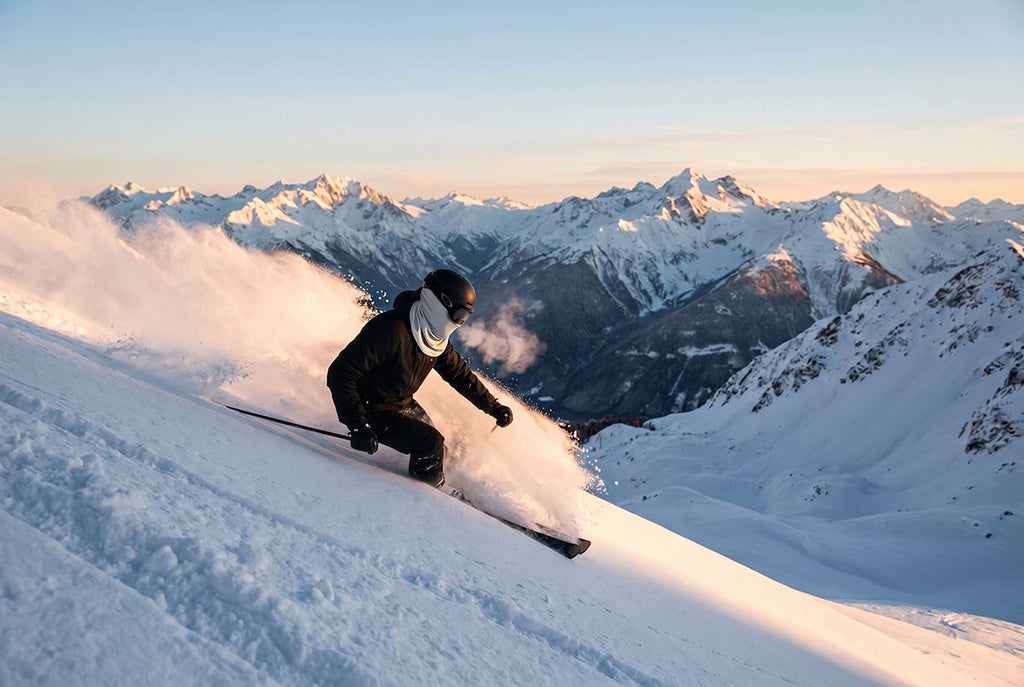
TL;DR: The right winter face mask depends on temperature and output level. Above 20°F a fleece neck gaiter is enough; 0-20°F calls for a fleece-lined balaclava; below 0°F you want a windproof full-coverage balaclava with breathing panels. Match the gear to the day, not the other way around.
Every winter I watch people make the same mistake: they buy whatever face covering is cheapest, then spend January through March either freezing or ripping it off because they can't breathe. A proper winter face mask isn't one product — it's a category, and picking the right one is a two-question decision: how cold will it actually be, and how hard will you be breathing? This guide walks through both, with the comparison table I wish someone had handed me before my first sub-zero ski trip.
Winter Face Mask Options at a Glance
Four designs cover nearly every cold-weather scenario. Here's how they stack up:
| Type | Warmth | Coverage | Comfort Range | Best Use |
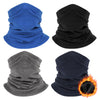
| Fleece neck gaiter | Moderate | Neck + lower face | 20-45°F | Running, commuting, everyday |
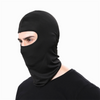
| Knit ski mask | High | Full head, eye holes | 10-30°F | Casual wear, short exposure |
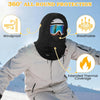
| Fleece balaclava | Very high | Full head + neck + face | 0-25°F | Skiing, snowboarding, winter hiking |
| Windproof balaclava | Maximum | Full + wind panels | Below 0°F | Snowmobiling, ice fishing, mountaineering |
Notice the comfort ranges overlap — that's intentional. Wind chill, humidity, and your personal cold tolerance shift the lines, so treat them as starting points rather than rules.

What Is a Winter Face Mask and Why Do You Need One?
A winter face mask is any insulated covering that shields your face, neck, and often head from cold air and wind. The need is more than comfort: exposed facial skin loses heat fast, and below freezing, wind chill can push exposed cheeks and nose toward frostnip in under 30 minutes. Cold, dry air also irritates airways — that burning sensation in your chest on a winter run is unconditioned air hitting your lungs.
A good face cover solves both problems by trapping a layer of warm, humidified air against your face. Every breath passes through fabric that takes the edge off the cold before it reaches your airways. It's simple physics, and once you've felt the difference on a 15°F morning, you won't go back.
Choosing by Temperature: A Field-Tested Guide
After several winters of testing gear across Colorado ski trips and Midwest cold snaps, here's the temperature logic I actually use:
- Above 20°F: a fleece neck gaiter handles it. Pull it up over your nose when the wind picks up, drop it to your neck when you're working hard. The Finvizo fleece neck warmer lives in my jacket pocket all season for exactly this range.
- 0-20°F: step up to a fleece-lined balaclava. Full head coverage eliminates the gap between hat and collar where heat pours out. A winter balaclava ski mask with flat seams also layers cleanly under a helmet.
- Below 0°F: windproof panels become non-negotiable. At these temperatures it's wind, not still air, that gets you — look for a balaclava with a wind-blocking face panel and a breathable mouth zone so moisture doesn't freeze against your skin.
One more variable: humidity and wind matter as much as the number. A damp 25°F day with 20 mph wind can feel harsher than a dry, calm 10°F. When in doubt, go one level warmer — you can always vent.
Choosing by Activity: Match the Mask to the Day
Skiing and snowboarding. Breathability rules here because you alternate between hard descents and cold lift rides. A fleece balaclava with a hinged mouth panel, or a gaiter you can pull up and down one-handed, both work. Our ski face mask guide goes deep on helmet fit and fogging.
Winter running. Maximum airflow, moderate warmth — a lightweight gaiter over the nose is usually enough, since your body generates serious heat within ten minutes.
Commuting and dog walks. Convenience wins. A gaiter or knit mask you can yank off when you step indoors beats a full balaclava you'll have to wrestle over your head.
Snowmobiling, ice fishing, and winter work. Long, sedentary exposure in real cold. This is windproof balaclava territory, no shortcuts. And for early-morning or dusk sessions, a reflective winter gaiter adds visibility near roads and parking areas.
If you're torn between the designs themselves, our balaclava vs ski mask vs neck gaiter comparison breaks down the three constructions feature by feature.

Fit, Fabric & Fogging: The Details That Decide Comfort
Fabric. Fleece insulates best for low-output cold; moisture-wicking synthetics win when you'll sweat. Avoid cotton entirely — it holds moisture and turns clammy, then cold.
Fit. Snug but not tight. A mask that presses on your nose or ears becomes miserable within an hour, and one that's loose lets cold air circulate, defeating the purpose. Under a helmet, flat seams are the difference between comfort and a pressure headache.
Fogging. If you wear goggles or glasses, look for a breathing panel or hinged mouth design that directs breath downward instead of up into your lenses. Our guide to keeping your face warm without fogging goggles covers the positioning tricks.
Care. Wash after every few uses — fabric against your mouth collects moisture and oils fast. Cold water, mild detergent, air dry. Heat from dryers degrades the stretch and the windproof coatings.
FAQ — Winter Face Masks
What is the best face mask for cold weather?
For most people and most days, a fleece-lined neck gaiter or balaclava covers 20-45°F comfortably. Below 0°F or in strong wind, upgrade to a windproof balaclava with full head coverage and breathing panels.
Is a winter face mask the same as a balaclava?
A balaclava is one type of winter face mask — the fullest-coverage option. The category also includes knit ski masks with eye holes and neck gaiters that cover just the lower face and neck.
Can I run in a winter face mask?
Yes — choose a lightweight, breathable gaiter rather than a heavy balaclava. You'll generate plenty of heat once moving; the mask's job is just warming the air you breathe and blocking wind on exposed stretches.
How do I keep my glasses from fogging with a face mask?
Pick a mask with a nose wire or shaped nose bridge and a downward-venting mouth panel. Seat your glasses slightly forward of the mask edge so breath escapes below the lenses, not up through them.
Are winter face masks machine washable?
Fleece and synthetic masks are — cold water, mild detergent, air dry. Skip the dryer and fabric softener, which break down stretch fibers and windproof coatings.
What should kids wear for face protection in winter?
A soft, stretchy balaclava works well for children because it stays put with no loose ends to snag. Check that breathing openings stay clear and that it fits comfortably under their helmet or hat.

Written by Vivian J
Product Manager at Finvizo and an avid camper who tests gear on real trails. She writes from hands-on field experience to help you pick equipment that actually holds up outdoors.