Best Winter Hats for Cold Weather: Beanies & More
Best Winter Hats for Cold Weather: Beanies & More
You can lose body heat through any exposed skin, and your head and ears are the most exposed real estate you own from November through March. I keep a rotation of three hat styles for different conditions, and after a decade of winter camping, commutes, and job-site mornings, here's how I'd spend my money. If you're also sorting out neck coverage, my best neck warmers for winter picks handle the fleece-and-wool side of the equation — this guide is strictly about what goes on top.
What Makes a Winter Hat Actually Warm
Warmth comes from trapped air, not fabric weight. A knit cap works because its loops hold a layer of still air against your head. Three things decide how well a given hat does that:
- Material. Acrylic is the practical champion — warm, hypoallergenic, machine-washable, and it keeps insulating when damp. Wool is warmer ounce-for-ounce and stays warm when wet, but itches some people and wants gentler washing. Cotton is a trap: it absorbs sweat, loses its loft, and actively cools you.
- Ear coverage. A hat that doesn't reach your earlobes is a fashion accessory, not winter gear. The fold-up cuff on a cuffed beanie doubles the insulation over your ears — exactly where frostnip starts.
- Wind handling. Knit breathes, which is great until a 20 mph gust blows straight through it. In serious wind, you want a windproof layer — that's where fleece balaclavas with a windproof face panel beat any knit.
Beanie vs Balaclava vs Trapper Hat: The Honest Comparison
| Style | Best for | Comfort range | Weakness |
|---|---|---|---|
| Cuffed beanie | Daily wear, commuting, moderate cold | Roughly 20-45°F | Wind blows through knit; no face coverage |
| Fleece balaclava | Sub-20°F, wind, skiing, outdoor work | Below 20°F with wind | Overkill for mild days; breath moisture at mouth |
| Trapper hat | Static cold: ice fishing, spectating | Very cold, low activity | Bulky; too hot once you start moving |
My rule of thumb: if I'll be moving, it's a beanie; if I'll be standing still in real cold or fighting wind, it's a balaclava; trapper hats only come out for stationary days.
Three Picks That Cover Every Scenario
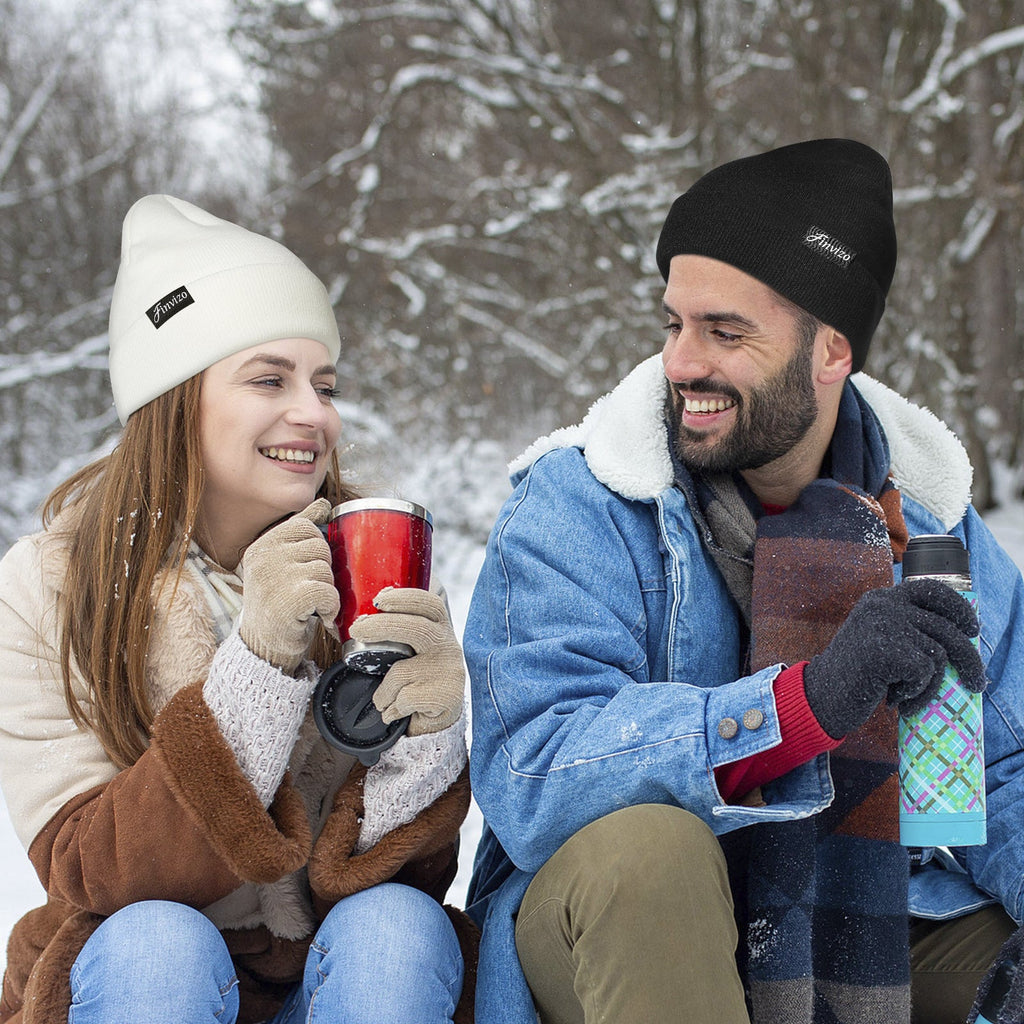
The everyday default: a cuffed acrylic beanie like the Finvizo winter beanie 4-pack ($23.99 — about $6 a hat). The laid-flat measurements are 8.26 inches wide with a 7.57-inch crown and a 2.75-inch cuff, which folds into a double layer right over the ears. One size stretches to fit most adults, and the four-hat format is genuinely practical: one in the car, one in the pack, one in rotation, one spare. Finvizo beanies come in dark, black, and two multicolor sets, so the whole household is covered.

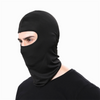
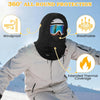
The deep-cold answer: the Finvizo fleece balaclava ($17.99, 7 colors) wraps head, ears, face, and neck in one windproof fleece layer, and the drawstring face opening lets you dial coverage from full-face to open. Below 20°F with any wind at all, this is warmer than any knit hat by a wide margin — and it lays flat enough to wear under a ski helmet or hard hat.
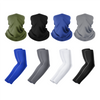
The high-exertion combo: for winter running or shoveling — anything where you alternate between sweating and freezing — pair a thin beanie with a fleece neck gaiter like the Finvizo neck warmer 4-pack ($19.99, or $24.99 for six). Pull the gaiter over your nose at the start, drop it to your neck once you're warm. A balaclava can't vent like that without coming off entirely.
Matching the Hat to the Activity
- Commuting / errands: cuffed beanie. Fast on, fast off, stuffs in a coat pocket.
- Outdoor work: balaclava under a hard hat on windy days, beanie plus gaiter otherwise.
- Skiing / snowboarding: thin balaclava under the helmet, beanie in the lodge.
- Winter running: lightweight beanie you can pull off mid-run, gaiter for the face.
- Ice fishing / spectating: trapper hat or balaclava — you're not generating heat, so the hat has to do all the work.
One mistake I see every season: buying for the coldest day and wearing it every day. An expedition-weight hat on a 35°F walk means sweat, and sweat means cold the moment you stop. Two or three lighter options you actually rotate beat one heavy hat you leave at home.

FAQ
What type of winter hat is the warmest?
For moving around, a cuffed beanie in acrylic or wool. For standing still in serious cold, a trapper hat or a fleece balaclava — full ear and face coverage beats raw insulation. Windproof fabric matters more than thickness once the wind picks up.
Are beanies warm enough for below-freezing weather?
Yes for typical activity down to about 20°F, especially with the cuff folded over your ears. Below that, or in wind, add a neck gaiter or switch to a balaclava so your face and neck aren't leaking heat.
Should a winter hat cover your ears?
Absolutely. Ears have thin skin, high blood flow, and almost no fat — they're the first place frostnip develops. When trying a hat, check that the hem or cuff actually reaches your earlobes, not just the tops of your ears.
What is the warmest material for a winter hat?
Wool insulates best, especially when wet, but quality acrylic comes close, dries faster, and survives machine washing — which is why most working winter beanies are acrylic. Fleece beats both for wind resistance. Avoid cotton entirely in cold weather.
How many winter hats do you actually need?
Two to three: an everyday beanie, a deep-cold option (balaclava or trapper), and ideally a spare beanie — they're the most commonly lost piece of winter gear. A 4-pack at about $6 a hat solves the spare problem cheaply.
Runners face the same cold with higher sweat stakes — my winter running face and neck protection guide covers that use case, and Finvizo outdoor gear spans the full cold-weather kit.

Written by Vivian J
Product Manager at Finvizo and an avid camper who tests gear on real trails. She writes from hands-on field experience to help you pick equipment that actually holds up outdoors.