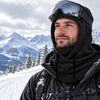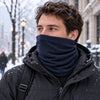
How to Keep Goggles & Glasses from Fogging with a Face Mask
TL;DR: Fogging happens when warm breath escapes upward from your mask and hits cold lenses. The fix order that works: seal the nose bridge first, vent breath downward second, treat lenses with anti-fog third. A balaclava or gaiter with a shaped nose panel stops glasses fogging better than any spray alone.
How to Keep Goggles & Glasses from Fogging with a Face Mask
If you wear glasses or ski goggles, you know the routine: pull up a face mask against the cold, take three breaths, and suddenly you're blind. I wear glasses on every winter dog walk and goggles on every ski day, and I've tested every anti-fog trick that's ever been posted in a gear forum. Most lists bury the answer — so here's the short version up front: fog is a fit problem before it's a lens problem. Pair the fixes below with the right face covering from our ski face mask guide, and fogging stops being part of your winter.
Why Your Breath Fogs Lenses in the First Place
Fog is just condensation. Your breath leaves your nose and mouth at roughly body temperature with near-100% humidity. When that warm, moist air hits a lens surface cooled by winter air, the water vapor condenses into thousands of tiny droplets — the white film we call fog.
A face mask makes this worse when it leaks upward. Any gap along the nose bridge or cheekbones becomes a chimney that pumps warm air straight onto your lenses with every exhale. That's why fogging is worst when you're working hard — walking uphill, skiing bumps, shoveling the driveway — because you're moving more air through that leak.
So the real goal isn't "dry lenses." It's giving your breath somewhere else to go: down and out through the mask fabric, not up into your eyewear.
The Fixes, in the Order That Actually Works
1. Seal the nose bridge
This is 80% of the battle. Pinch the mask's nose wire — or the top edge of your gaiter — snug against the bridge of your nose and cheekbones, then set your glasses on top of the fabric edge. The weight of the frames presses the seal shut. If your mask has no wire, fold the top edge inward once for extra grip.
2. Vent downward, not upward
Breathe like you're fogging a window low in front of you, not cleaning your glasses. On hard efforts, exhale through your mouth with lips slightly pursed, aiming down. It sounds silly until you try it on a cold climb — the fog simply never arrives.
3. Treat the lenses
Anti-fog sprays and wipes leave a surfactant film that spreads condensation into an invisible sheet instead of droplets. They work, but they're the third line of defense, not the first. Apply to clean, dry lenses the night before — not in the parking lot. A drop of diluted dish soap, buffed gently and left as a thin film, is the classic budget version.
4. Manage the moisture load
A soaked mask fogs everything. Fleece and thick knits hold moisture; thin technical polyester wicks it. On long days I carry a spare and swap at lunch — a dry mask at 1pm fogs less than a wet one at any temperature.
Choosing a Face Mask That Won't Fog Your Glasses
Design matters more than brand. Look for three features: a shaped or wired nose panel that seals without gaps, breathable, moisture-wicking fabric over the mouth, and enough length to tuck under your jacket collar so warm air exhausts downward.
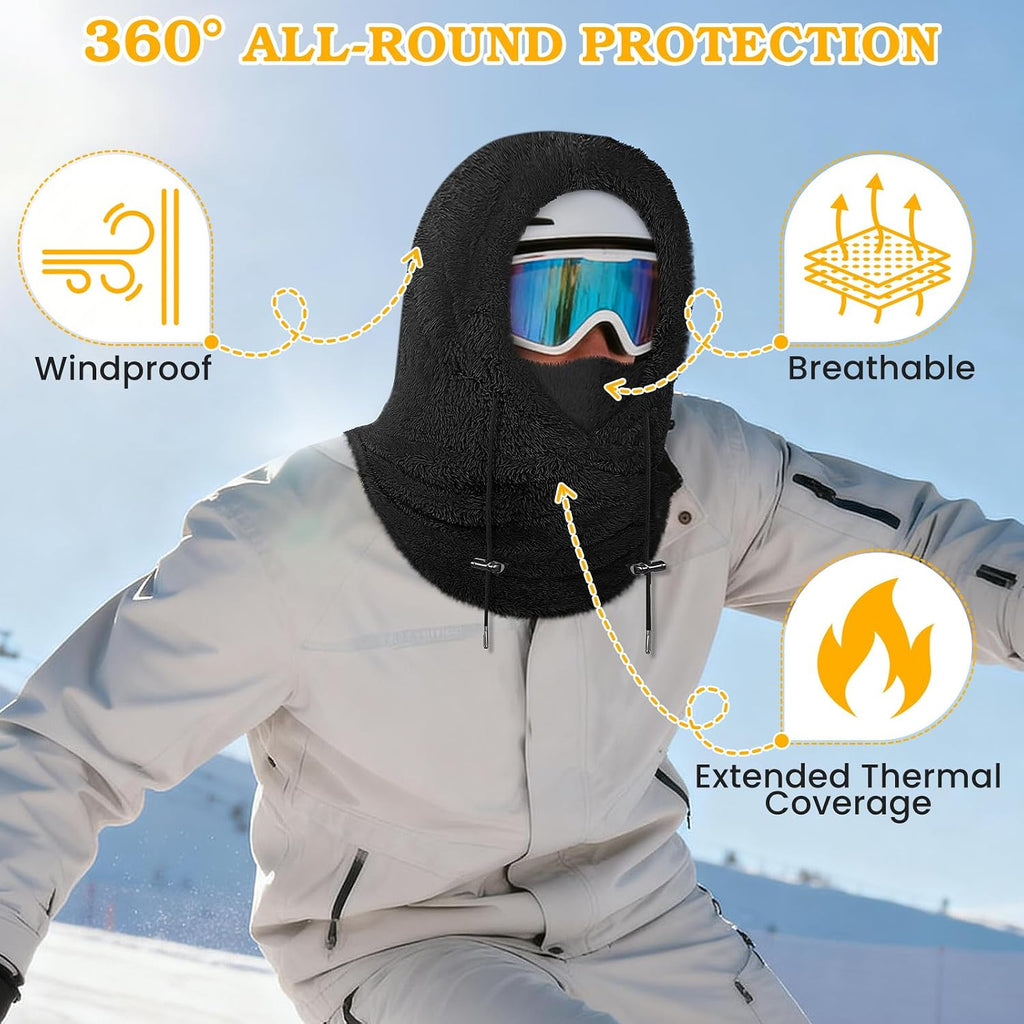
For everyday wear, the Finvizo winter neck warmer uses a soft fleece-lined build with enough structure to hold a nose seal — and at four per pack, the "carry a dry spare" strategy costs nothing. For skiing and snowboarding, a hinged winter balaclava ski mask is the better tool: the hinge lets the mouth panel drop below your chin on the lift while the upper half stays sealed under your goggle frame. If you commute on foot or by bike in the dark, the reflective winter gaiter adds hi-vis stripes to the same anti-fog fit.

Ski Goggles: A Few Extra Rules
Goggles fog harder than glasses because they seal against your face and trap a pocket of air. The core rules: never tuck your gaiter or balaclava under the goggle foam — that channels breath directly onto the lens. Seat the fabric just below the frame. Keep the top vents clear of hats and helmet brims, and never wipe the inner lens when wet — modern goggle lenses have an anti-fog coating that smears permanently. Shake, don't rub.
The full goggle-and-balaclava setup — hinge position, vent alignment, and the mistakes that freeze your face — is in our guide to keeping your face warm while skiing without fogging goggles, which goes deeper on the ski-specific side.
Everyday Winter: Commutes, Dog Walks, and Glasses
For daily life with eyeglasses, the routine is simpler. Seal the nose bridge, set glasses over the fabric edge, and drop the mask below your nose for thirty seconds when you step indoors — that prevents the "walk into a warm store, instant white-out" moment, which is caused by indoor humidity condensing on cold lenses, not by your breath at all. Let lenses warm up before wiping.
Runners deal with the same physics at higher breathing rates; our neck gaiter vs running scarf vs balaclava comparison covers which face coverings vent best at tempo pace if your winter miles come with glasses.
FAQ
How do I stop my glasses from fogging when wearing a face mask?
Seal the mask's top edge against your nose bridge and cheekbones, then rest your glasses on top of the fabric to hold the seal. This redirects breath downward through the mask instead of up onto the lenses. Add an anti-fog treatment to clean, dry lenses as backup for high-output activities.
Does anti-fog spray actually work on glasses and goggles?
Yes, when applied correctly: to clean, dry lenses, ideally hours before use. Anti-fog coatings spread condensation into a transparent film instead of droplets. They wear off with cleaning and touching, so reapply regularly — and never use them to compensate for a mask that leaks upward at the nose.
Why do my glasses fog up more when I exercise?
Harder breathing moves a much larger volume of warm, humid air through any gap in your mask, and your lenses are often colder from wind and speed. The combination overwhelms weak seals. This is why fit fixes beat lens treatments during exercise.
Is a balaclava or a neck gaiter better for preventing fog?
A balaclava with a shaped nose panel usually seals better because it's cut to follow your face and stays put under a helmet or hat. A gaiter works well if you fold the top edge and set your eyewear over it — but it slides more during movement, so check the seal after adjusting layers.
Should I tuck my gaiter under my ski goggles to seal the gap?
No — that's the most common mistake. Fabric under the goggle foam creates a direct channel that pumps breath onto the lens. Wear the gaiter or balaclava just below the goggle frame so the foam seals against skin or a thin, flat fabric edge.
Why do my glasses fog when I come inside from the cold?
Indoor fogging is the reverse problem: warm, humid indoor air condenses on lenses that are still cold from outside. It clears on its own as the lenses warm up in a minute or two. Resist wiping — it just smears. Pulling your mask down briefly speeds up the warm-up.
Related reading
- What Is a Balaclava? Uses, Fit & How to Wear
- Balaclava vs Ski Mask vs Neck Gaiter: Winter Face Cover Guide
- Best Ski Face Masks 2026: Warmth, Anti-Fog & Helmet Fit Guide

Vivian J is a Product Manager at Finvizo and an avid outdoor enthusiast. She tests gear on real trails and writes from hands-on field experience to help readers choose equipment that performs reliably outdoors.