Winter Face Masks for Outdoor Work: Warmth Guide for Crews
Summer crews get all the attention — I wrote a whole guide on sun protection for outdoor workers — but the winter version of that conversation barely exists, and it's the one I get asked about every November by friends in construction, delivery, and warehouse yard work. So here's the cold-weather edition: what actually keeps your face functional through an 8-10 hour shift when the wind won't quit.
What a Work Face Mask Has to Do Differently
A face mask for work isn't the same as one for skiing. On the slopes you generate heat constantly and take lodge breaks; on a job site you alternate between hauling (sweating) and standing still (freezing), often for hours without a warm-up. That changes the requirements:
- Wind blocking matters more than raw warmth. Wind chill is what actually bites. At 20°F with 20 mph wind, exposed skin effectively feels like 4°F — the National Weather Service wind chill chart puts frostbite risk on exposed skin at around 30 minutes in those conditions.
- Breath moisture management. You exhale roughly a cup of water over a workday through your mask. Fabric that holds that moisture against your face turns into an ice-crusted rag by lunch.
- Hard hat and eyewear compatibility. Thick seams and bulky knit don't fit under a hard hat suspension, and a mask edge that rides up fogs safety glasses instantly.
- Washability. A work mask gets dirty daily — dust, concrete, exhaust. It needs to survive constant machine washing without falling apart.
Balaclava vs Neck Gaiter vs Half Mask for Work
After two winters of rotating all three on early-morning job walks, here's the honest breakdown:
| Type | Best for | Coverage | Under a hard hat | Watch out for |
|---|---|---|---|---|
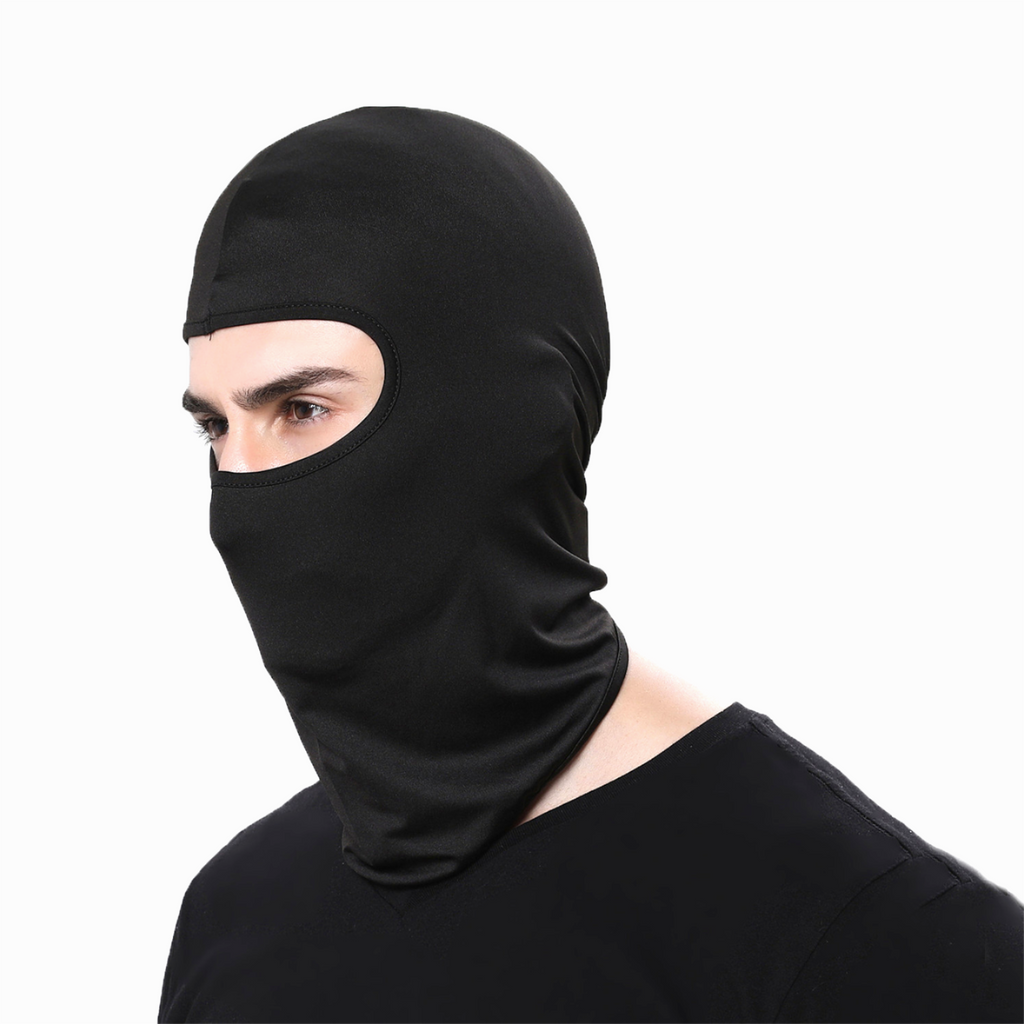
| Thin fleece balaclava | Below 25°F, wind, all-day wear | Full head, face, neck | Excellent — lays flat | Breath moisture at the mouth panel |
| Fleece neck gaiter | 25-40°F, high-exertion jobs | Neck + pull-up over nose | Perfect — nothing on the crown | Slides down over the nose when you talk |
| Half face mask | Short tasks, mild cold | Nose, cheeks, chin | Good | Leaves neck and ears exposed |
My default for genuinely cold days is the balaclava — full coverage, nothing to fiddle with. For milder days or stop-and-go physical work, the gaiter wins because you can drop it to your neck in seconds when you're overheating, instead of peeling a whole balaclava off with gloved hands.
Three Picks That Hold Up on the Job
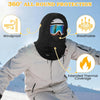
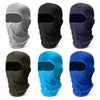
The daily driver: the Finvizo winter balaclava ($16.99, 9 colors) is thin windproof fleece, 13.2 in by 21.3 in laid flat, with enough skirt length to tuck deep into a work jacket. It disappears under a hard hat, the dark colors (black, dark grey, navy) hide job-site grime, and it dries overnight after a wash.
The adjustable one: the Finvizo fleece balaclava ($17.99, 7 colors) adds a drawstring around the face opening. That sounds minor until you've had a mask edge creep down into your mouth mid-shift or ride up and fog your safety glasses — cinching it once in the morning fixes both.
The crew/fleet option: the Finvizo neck gaiter 4-pack ($19.99, or $24.99 for the 6-pack) works out to about $5 per gaiter. That's the play for a work truck, a crew, or just having a dry rotation — pull a fresh one at lunch and your afternoon is noticeably less miserable. If you're comparing general winter options beyond work use, my cold weather face mask guide covers the wider lineup.

Staying Warm Through a Full Shift
- Rotate a dry spare at lunch. The single biggest comfort upgrade. Breath moisture saturates the mouth panel by midday; swapping in a dry mask takes ten seconds and feels like a reset.
- Vent before you sweat. Once fleece is soaked with sweat, it conducts heat away instead of holding it. Drop the mask to your neck during heavy exertion, pull it back up when you stop.
- Mind the wind, not the thermometer. Check the wind chill, not just the temperature — a calm 15°F day is easier on your face than a breezy 30°F one. Dress to the wind chill number.
- Keep the top edge below your eyewear. An edge under safety glasses or goggles channels breath straight onto the lens. Seat the fabric first, then the eyewear.

Care: Making Work Masks Last the Season
Work masks live a hard life. Machine wash cold, skip fabric softener (it coats the fleece and kills both wicking and wind resistance), and air dry or tumble low. Wash after every day or two of real use — dried sweat and dust grind the fibers down faster than wear does. With that routine, a fleece balaclava easily lasts a full winter season of daily use; the 4-pack gaiter rotation stretches that even further since no single piece takes all the abuse.
FAQ
What is the best face mask for working outside in the winter?
For hard cold below about 25°F or windy conditions, a thin windproof fleece balaclava with full head and neck coverage. For milder cold or physically intense work, a fleece neck gaiter you can pull up over your nose and drop when you overheat. Either should fit flat under a hard hat and survive daily machine washing.
Can you wear a balaclava under a hard hat?
Yes, as long as it's a thin, low-profile fleece with flat seams. It should lie smooth against your head without changing how the hard hat suspension sits. Avoid thick knits — they lift the hard hat and create pressure points. Never wear anything between the suspension and the shell that alters the fit.
How do I keep my face warm working outside all day?
Block wind first — a windproof fleece layer over nose, cheeks, and neck. Manage moisture by venting during heavy exertion and rotating to a dry mask at lunch. Cover the gap between your jacket collar and the mask, and check the wind chill rather than the air temperature when you plan your layers.
Do fleece face masks get wet from breathing?
Yes — breath condenses on the fabric over your mouth, and after several hours the panel gets damp and cold. Fleece handles it better than cotton because it keeps insulating when damp and dries fast, but the real fix is carrying a dry spare and swapping at midday.
How cold is too cold to work outside?
There's no single legal cutoff, but wind chill is the number to watch: exposed skin can develop frostbite in about 30 minutes at a wind chill of -18°F, and much faster below that. Cover all exposed skin, take scheduled warm-up breaks, and watch coworkers for the early signs — waxy, numb patches on cheeks and nose.
When the season flips, the same crew needs the opposite kit — my summer yard work heat gear guide covers the hot-weather rotation, and Finvizo outdoor gear spans both ends of the calendar.

Written by Vivian J
Product Manager at Finvizo and an avid camper who tests gear on real trails. She writes from hands-on field experience to help you pick equipment that actually holds up outdoors.