Stocking Cap vs Beanie: What's the Difference?

Stocking Cap vs Beanie: What's the Difference?
Growing up in Ohio, every winter hat was a "stocking cap." When I moved west and asked a coworker where to buy one, he stared at me and said, "You mean... a beanie?" Same hat, different word. If you're building out a cold-weather kit, my winter neck warmers guide covers the other half of the head-and-neck equation — this article settles the naming question and what to actually look for when buying.
The Short Answer: Same Hat, Different Map
A beanie is a close-fitting, brimless cap, usually knitted, that covers the top of your head and (worn properly) your ears. A stocking cap is... exactly that. There is no construction difference, no style divide, no warmth gap. If two listings show the same hat with different names, you are looking at regional vocabulary, not two products.
The split is geographic. Linguistic surveys of American English have long shown "stocking cap" concentrated in the Midwest and parts of the South, while "beanie" dominates the coasts and has largely won nationally — helped along by retail and e-commerce, where "beanie" is the default category name. Head north into Canada and you'll hit a third word: "toque" (rhymes with "duke"), which is the standard term there and again means the same knit cap.
Where the Names Come From
"Stocking cap" is the older term — it dates to an era when the caps were literally knit like a stocking: a long tube, sometimes with a tassel, pulled down over the head. In some regions it still carries a faint connotation of a longer, slouchier fit with a pom on top, but in modern retail usage that distinction is gone.
"Beanie" comes from early-20th-century slang ("bean" for head). It started as a snug skull-hugging cap and absorbed every brimless knit style over the decades. Today it covers cuffed fishermen's styles, slouchy fits, pom-tops, and everything in between.
"Toque" is the Canadian standard, from French Canadian usage. If a listing says toque, it's a beanie. If it says tuque, same deal — just a spelling variant.
Stocking Cap vs Beanie vs Watch Cap vs Toque
While the big three are synonyms, two adjacent terms do mean something specific:
| Term | What it means today | Where you'll hear it |
|---|---|---|
| Beanie | Any close-fitting brimless knit cap | Nationwide US, default retail term |
| Stocking cap | Same hat; historically a longer knit style | US Midwest and South |
| Toque / tuque | Same hat | Canada |
| Watch cap | Short, snug cuffed beanie (military issue style) | US Navy / workwear circles |
The watch cap is the one genuinely distinct member of the family: a shorter, tighter cuff cap issued to sailors on cold deck watches. Everything else is the same object wearing a different name tag.
There's a practical takeaway hidden in the naming mess: when you're comparison shopping online, search both terms. Some regional brands still title their listings "stocking cap," and you'll occasionally find the identical hat priced differently under the two names. Ten seconds of extra searching has saved me real money more than once.
What Actually Matters When You Buy One
Since the name tells you nothing, shop on these four specs instead:
- Material. Acrylic knit is the workhorse: warm, cheap, machine-washable, and it doesn't itch. Wool is warmer when wet but needs gentler care. Fleece-lined versions add real insulation for sub-freezing days.
- Fit and depth. A winter beanie must cover your ears. Check the laid-flat dimensions — for reference, the Finvizo beanie 4-pack measures 8.26 inches wide with a 7.57-inch crown plus a 2.75-inch fold-up cuff, which is the depth that actually reaches earlobes on an average adult head.
- Cuff. A fold-up cuff doubles the fabric over your ears — the spot that gets cold first — and lets you adjust depth. Uncuffed slouch styles look good but leak heat.
- Cost per hat. Beanies are the most-lost item in winter gear. The Finvizo beanie 4-pack runs $23.99 — about $6 a hat — in dark, black, and two multicolor sets, so losing one to a coat pocket or a trailhead is annoying instead of expensive.
- Care. A winter hat lives in coat pockets, car seats, and the bottom of packs. Acrylic knit survives that abuse and comes out of a washing machine looking new; wool wants cold water and air drying. If you're hard on gear, let washability break the tie.


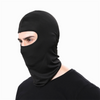
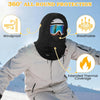
One more practical note: under a helmet or hard hat, any knit beanie is too thick — that's balaclava territory. A Finvizo winter balaclava in thin fleece lays flat under a lid where a cuffed beanie would create pressure points.
FAQ
Is a stocking cap the same thing as a beanie?
Yes. Both names refer to a close-fitting, brimless knit cap. "Stocking cap" is the older American regional term common in the Midwest and South; "beanie" is the dominant term nationally and in retail. There is no difference in construction or warmth.
Why do some people say stocking cap instead of beanie?
It's regional vocabulary, mostly Midwest and South. The term dates to when the caps were knit long like a stocking. Older generations in those regions still default to it, while "beanie" spread nationally through retail and media.
What is the difference between a beanie and a toque?
None — "toque" is simply the Canadian word for the same knit cap. A listing labeled toque or tuque is selling you a beanie.
Are stocking caps warm enough for winter?
A cuffed acrylic or wool knit cap handles typical winter cold well, especially with the cuff folded over your ears. For sub-freezing wind or high-exertion outdoor work, pair it with a neck gaiter or switch to a fleece balaclava for full face coverage.
What is a watch cap?
A watch cap is a short, snug, cuffed beanie — the style issued to US Navy sailors standing cold-weather watches. It's the one term in this family that describes a specific cut rather than being a regional synonym.
Cold-weather angling puts the same knit cap to work — my cold weather fishing layering guide shows how I build the full system, and Finvizo outdoor gear covers head to toe for the season.

Written by Vivian J
Product Manager at Finvizo and an avid camper who tests gear on real trails. She writes from hands-on field experience to help you pick equipment that actually holds up outdoors.