
How to Wear a Balaclava Under a Helmet (No Bunching, No Pressure Points)
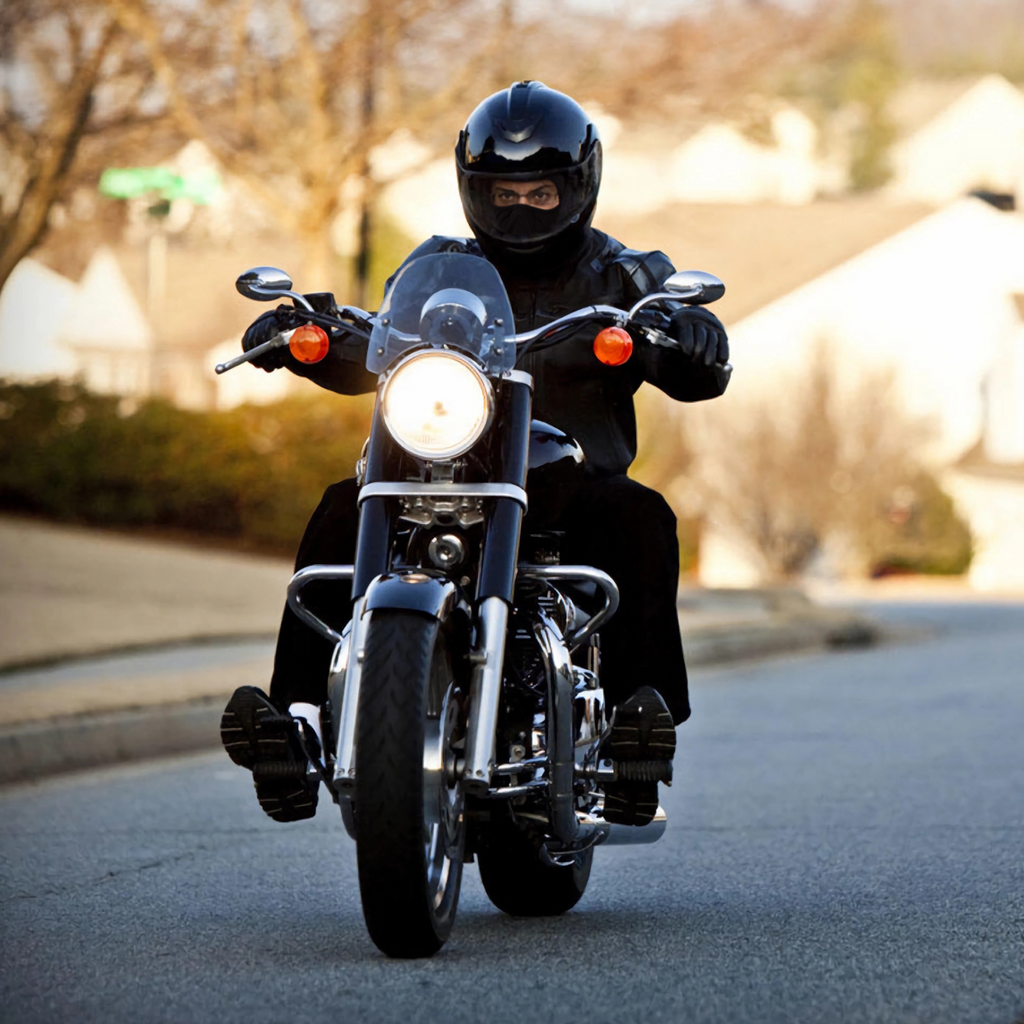
I learned this the annoying way on a January ride in Vermont: twenty miles in, a folded seam over my left temple felt like someone pressing a coin into my skull. If you ride motorcycles in the cold, my winter motorcycle balaclava guide covers the full riding setup — this article is the fit playbook that makes any helmet + balaclava combo work without hot spots, bunching, or fogged goggles.
Why Your Balaclava Bunches Under a Helmet
A helmet liner has one job: add a warm, windproof layer without changing how the helmet sits on your head. Bunching happens when any of three things go wrong:
- The fabric is too thick. A helmet is sized for your skull, not your skull plus a quarter inch of chunky knit. Thick material compresses unevenly and migrates as you move, forming ridges.
- The seams land on pressure points. A raised seam directly under a helmet pad concentrates force on a small area. Ten minutes is fine; two hours is a headache.
- The fit is loose. Extra fabric has to go somewhere, and under a clamping helmet it goes into folds — usually right at the forehead or the crown.
The fix is never "tough it out." A pressure point under a helmet isn't just uncomfortable — it's a distraction, and a helmet that's been pushed out of position by a thick layer can't protect you the way it was designed to. The Bicycle Helmet Safety Institute makes the same point for bike helmets: the fit system is calibrated for your head, and anything that lifts or shifts the shell compromises it.
Start With the Right Balaclava

Everything gets easier if the balaclava itself is helmet-friendly. What I look for after three winters of trial and error:
- Thin, stretchy fleece — warm for its thickness and compresses flat instead of folding.
- Flat or offset seams — nothing raised across the forehead or crown.
- A long enough skirt — it should tuck into your collar and stay there when you turn your head.
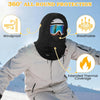
My default is the Finvizo winter balaclava ($16.99, 9 colors). It's a thin windproof fleece that measures 13.2 in wide by 21.3 in long laid flat — long enough to tuck deep into a jacket — and the stretch means one size actually fits under a helmet without adding bulk. On genuinely bitter days I switch to the Finvizo fleece balaclava ($17.99, 7 colors), which adds an adjustable drawstring around the face opening so you can snug it down and keep the edges from creeping into your eyeline. Both compress flat under a helmet shell, which is the whole game.
If you run hot or only need neck and chin coverage, a fleece neck gaiter works as a minimalist liner — the Finvizo neck gaiter 4-pack ($19.99) is literally marketed as a helmet liner, and at $5 apiece you can keep one in every jacket.
How to Wear a Balaclava Under a Helmet in 5 Steps
Step 1 — Put the balaclava on before anything else. No beanie, no earband underneath. One layer, directly on your head. Every extra layer is a future fold.
Step 2 — Align the seams deliberately. Pull the balaclava on so the top seam runs front-to-back along your centerline, not across your crown, and any side seams sit behind your temples rather than on them. Run your palm over your head — if you feel a ridge, smooth it now.
Step 3 — Set the face opening. Position the opening so the top edge sits just under your eyes (or just above the bridge of your nose if you want nose coverage). This is where a drawstring model earns its keep: cinch it lightly so the edge can't slide down into your mouth or up into your goggles.
Step 4 — Tuck the skirt inside your collar. All the way around, front and back. An untucked skirt acts like a pull tab every time you shoulder-check, dragging the whole balaclava out of alignment.
Step 5 — Seat the helmet front-to-back, then check. Tilt the helmet on from forehead to crown rather than jamming it straight down — this lays the fabric flat instead of pushing it into folds. Then run two fingers around your temples and forehead: you should feel smooth fabric, no ridges, no pressure points. Shake your head side to side. If the helmet moves independently of your scalp, the liner is too thick — swap to a thinner one rather than loosening the helmet.
Ski Helmets vs Motorcycle Helmets

The same principles apply, but the details differ:
Ski and snowboard helmets leave room for a thin liner by design — many riders size expecting one. The watch-outs are goggle integration (keep the balaclava's top edge below the goggle frame or fogging gets worse) and ear pads, which press seams into your ears if you don't smooth them first. A Finvizo balaclava in thin fleece disappears under a ski helmet; I've worn mine from first chair to last without touching it.
Motorcycle helmets fit tighter, especially full-face lids with cheek pads. Here, thinness is non-negotiable — even midweight fleece can make a snug helmet unbearable at the cheeks. Pull the balaclava down firmly at the back of the neck before putting the helmet on, and expect to re-seat the cheek area with a fingertip after the lid is on. If your helmet already fits tight bare-headed, a balaclava may push it into pain territory; that's a sign to use the thinnest liner you own, not to size up the helmet — a loose helmet is a failed helmet.
4 Mistakes That Cause Pressure Points
- Wearing a beanie under the balaclava. Doubling up creates a ridge at the beanie's cuff exactly where the helmet rim sits. Pick one layer.
- Letting hair bunch up. A ponytail or bun under a balaclava is a pressure point waiting to happen. Wear hair low and flat, or braid it.
- Ignoring the two-finger check. Bunching you can feel in the driveway becomes pain at mile forty. Thirty seconds of checking saves the ride.
- Buying "one size fits all" thick knit. Chunky acrylic balaclavas are for walking the dog, not for helmets. Under a helmet, thin technical fleece wins every time.
FAQ
Can you wear a balaclava under a motorcycle helmet?
Yes — riders do it all winter. Use a thin, flat-seam fleece balaclava, tuck the skirt into your jacket, and make sure the helmet still fits snugly with no new pressure points. If the helmet feels noticeably tighter, switch to a thinner liner rather than loosening the helmet's fit.
Does a balaclava make your helmet too tight?
A thin fleece liner (a few millimeters) rarely changes fit in a meaningful way, especially in helmets with removable comfort padding. A thick knit balaclava absolutely can. The rule: the helmet should pass the same shake test with the liner as without — snug, no independent movement, no hot spots.
How do you stop a balaclava from bunching under a helmet?
Use a thin stretch-fleece balaclava that fits close, align the seams away from your temples and crown, tuck the skirt fully into your collar, and put the helmet on front-to-back so the fabric lays flat. Do a two-finger sweep around your forehead and temples to catch any folds before you head out.
Should a balaclava be tight or loose under a helmet?
Snug but not constricting. It should lie flat against your skin with no loose fabric to fold, without compressing your nose or restricting your jaw. Stretch fleece hits this balance naturally; loose knit is what bunches.
Can you wear a balaclava under a ski helmet with goggles?
Yes — keep the balaclava's top edge below the goggle frame so breath is directed down and out, not up into the lens. A balaclava with a hinged or drawstring face opening makes this much easier to dial in.
For warm-weather riding, the same thin-liner logic applies — my cooling balaclava guide for motorcyclists covers the summer version, and Finvizo outdoor gear has the four-season lineup for both.

Written by Vivian J
Product Manager at Finvizo and an avid camper who tests gear on real trails. She writes from hands-on field experience to help you pick equipment that actually holds up outdoors.


)