Wool vs Fleece Balaclava: Which Material Keeps You Warmest?
Wool balaclavas excel at warmth and odor control, while fleece offers better wind resistance, faster drying, and affordability for active winter use.
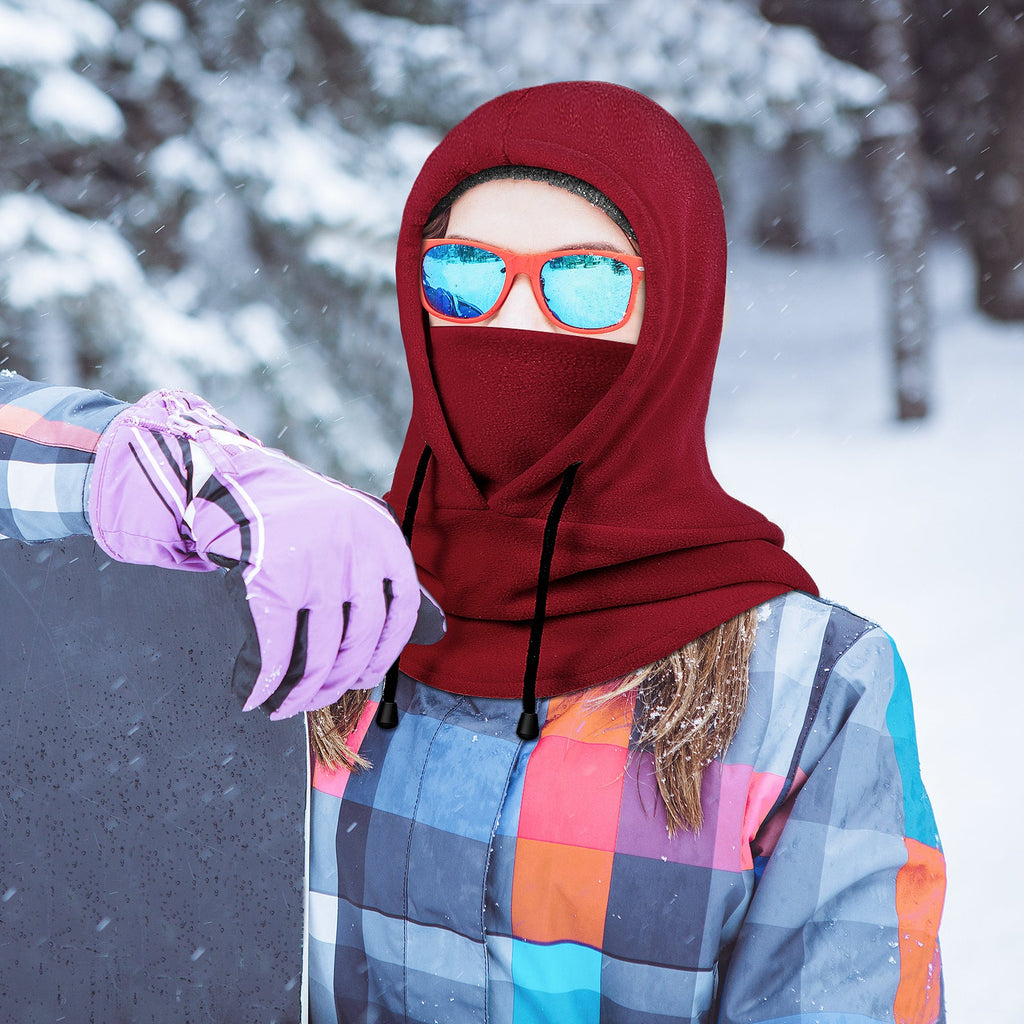
Finvizo Winter Fleece Balaclava — thick polar fleece with drawstring fit
Explore the Finvizo fleece balaclava ski mask, designed for wind resistance and an adjustable fit—ideal for skiing and cold weather activities.
View ProductWool vs Fleece Balaclava: The Quick Comparison
| Feature | Merino wool balaclava | Fleece balaclava |
|---|---|---|
| Warmth (still air) | Very warm | Warm |
| Warmth in wind | Good (needs tight knit) | Excellent (wind-resistant face) |
| Warm when wet | Yes — holds ~80% warmth | Decent, but feels clammy |
| Breathability | Excellent | Good |
| Odor resistance | Multi-day, no stink | Needs washing after 1-2 uses |
| Itch factor | Low (merino), none if lined | None |
| Typical price | $30-60 | $10-25 |
| Care | Gentle wash, lay flat | Machine wash, done |
How Wool Actually Performs (and When Merino Matters)

A wool balaclava's superpower is temperature regulation. Wool fibers trap warm air when you're standing still on a lift, then dump heat and moisture when you start moving. Merino wool balaclavas take this further — the fibers are fine enough (usually 17.5-19.5 microns) that they don't itch, and they genuinely don't smell after three days of skiing. I've worn the same merino layer on a Friday-Sunday hut trip without offending my tentmate, which I cannot say about any synthetic.
The weaknesses: wind cuts through a loose knit, so a thin balaclava wool layer can feel drafty on exposed ridges. Wool also dries slower than fleece and costs two to three times more. And if you see "wool" without "merino" on the label, check the micron count or the lining — coarse wool on your face for six hours is misery.
How Fleece Performs (and Why It's Underrated)
Fleece is the workhorse. A fleece balaclava blocks wind better than most knits at the same weight, dries in a fraction of the time, and you can throw it in the washing machine with your regular laundry. For high-output days — skinning uphill, shoveling the driveway, chasing kids on sleds — fleece's fast drying beats wool's regulation.
The honest downsides: fleece holds odor (after two sweaty days, you'll know), it staticky-clings to long hair, and cheap fleece pills fast — the elbows and chin area go fuzzy within a season if you buy the bargain-bin stuff. It also compresses under a helmet strap more than wool does, which actually matters for fit — a point I cover in the sizing notes below. Spend the extra few dollars on a midweight fleece with a smooth outer face; it sheds snow instead of soaking it up.
Sweat, Wind and Helmet Straps: Real-World Notes
A few things only show up after you've worn both materials for a full season. On sweat: wool absorbs up to 30% of its weight in moisture before it feels wet, so on a sweaty bootpack a wool balaclava keeps feeling dry long after fleece starts feeling damp — but once fleece IS wet, it dries about three times faster at lunch. On wind: I stopped wearing my thin merino on snowmobile days entirely; at 30 mph you want fleece's tighter face fabric, full stop. And on helmet straps: fleece compresses more under pressure, so a fleece balaclava that fits perfectly in the mirror can feel loose under a cinched helmet — if you wear a helmet, size snug or pick one with an adjustable drawstring hood you can tighten after the helmet goes on.
What About Silk and Cotton Balaclavas?
A silk balaclava is a niche tool: ultralight, zero bulk under a helmet, and surprisingly warm for its weight. I use one as a liner on brutally cold days under a fleece hood. But silk alone won't cut real wind, and it snags if you look at it wrong.
A cotton balaclava is the one I'd skip for anything serious. Cotton absorbs sweat, holds it against your skin, and loses almost all insulation when damp — fine for a chilly morning jog, genuinely risky in proper cold. If a product page just says "cotton blend" for a winter sports balaclava, keep scrolling.
Which One Should You Buy? My Decision Guide
- Resort skiing/snowboarding, mixed effort: Merino wool — regulates through lift rides and runs alike.
- Windy exposure (snowmobiling, ridge lines, Midwest commutes): Fleece — wind resistance wins. Our Finvizo fleece balaclava has an extended neck and adjustable hood for exactly this.
- Budget or backup layer: Fleece, no contest at $10-25.
- Multi-day trips, no laundry: Merino — the odor resistance is real.
- Very cold with helmet: Silk liner + fleece over the top.
Fit check regardless of material: the eye opening should sit at your actual eyes when you move your jaw (talk out loud in the mirror), and the neck drape should tuck into your jacket collar and stay there. The Finvizo winter balaclava uses a longer neck panel for this reason — a balaclava that rides up out of your collar leaks heat all day.
Which Balaclava Is Right for You?
To help you decide, consider your activity, environment, and preferences:
Step 1: Identify Your Primary Use
- Multi-day, casual cold weather → Merino wool
- High-output, windy conditions → Fleece
Step 2: Consider Skin Sensitivity
- Sensitive or itch-prone skin → Merino wool or fleece with soft lining
- No sensitivity → Either material works
Step 3: Care Preferences
- Prefer machine washable and quick drying → Fleece
- Willing to hand wash and air dry → Merino wool
Step 4: Budget and Frequency
- Budget or occasional use → Fleece
- Regular use in varied cold conditions → Merino wool
If you want a balaclava that fits well under helmets or offers adjustable coverage, check out the Finvizo winter balaclava ski mask, which features a longer neck panel to prevent heat loss.

Our Pick: Finvizo Winter Fleece Balaclava Ski Mask
- Thick polar fleece — thermal warmth for freezing temps.
- Wind protection — built for skiing and snowboarding exposure.
- Adjustable drawstrings — custom fit that stays put all day.
- Extended neck coverage — seals the gap between jacket and helmet.
Wool vs Fleece Balaclava FAQ
Wool vs Fleece Balaclava
Is a wool balaclava warmer than fleece?
In still air and damp conditions, wool provides better insulation. However, fleece usually feels warmer in windy weather due to superior wind blocking. The warmest setup combines a wind-resistant outer layer over either fabric.
Does a merino wool balaclava itch?
True merino wool under 20 microns is generally non-itchy for most people. For very sensitive skin, choose a merino balaclava with a fleece or modal lining around the face, or opt for fleece.
Can you wash a wool balaclava in the washing machine?
Most merino wool balaclavas can be machine washed on a gentle cold cycle inside a mesh bag but should be laid flat to dry to avoid shrinkage. Fleece balaclavas tolerate regular washing and drying cycles.
Is a fleece balaclava good for skiing?
Yes, especially on windy days or when you sweat a lot. Fleece dries quickly between runs and can be adjusted to fit snugly under helmets, making it practical for skiing.
What is the best balaclava material for extreme cold?
Layering works best: wear a thin silk or merino liner next to your skin with a thick fleece balaclava over it for warmth and wind protection. On milder days, a neck gaiter can cover most needs—see my 12 ways to wear a neck gaiter for versatile options.
How do I choose between a balaclava, ski mask, and neck gaiter?
Start with my balaclava vs ski mask vs neck gaiter comparison to understand coverage, warmth, and breathability differences. Also check out Winter Sports Ski Face Masks and Everyday Cold Weather Face Masks for more insights.
Which balaclava should I buy if I want the best value?
For budget-friendly options that still perform well, a fleece balaclava like the Finvizo fleece balaclava ski mask is a smart choice. It balances warmth, wind protection, and easy care at a reasonable price. See Kids Balaclava Winter Guide for related details.
Related reading
- Balaclava vs Ski Mask vs Neck Gaiter: Winter Face Cover Guide
- How to Wear a Neck Gaiter: 12 Versatile Ways for Sun, Dust & Style
- What Is a Balaclava? Uses, Fit & How to Wear

Product Manager at Finvizo and an avid camper who tests gear on real trails. She writes from hands-on field experience to help you pick equipment that actually holds up outdoors.