Heat Exhaustion vs Heat Stroke: A Hiker's Field Guide
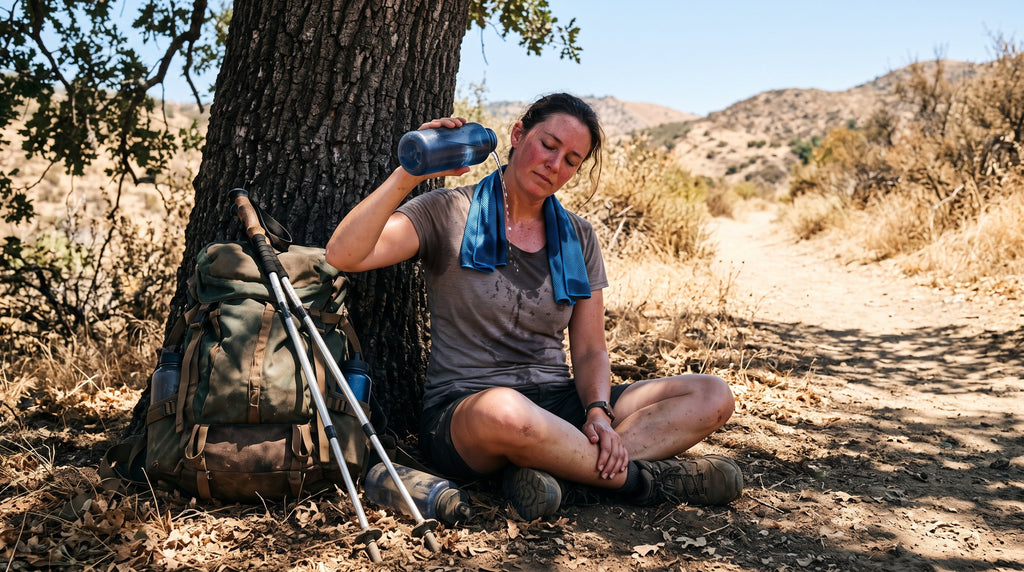
Last August, I was three miles into a loop in the Superstition Mountains when a friend started swaying. She had been keeping pace fine, but suddenly her face went pale, her breathing turned shallow, and she sat down on a rock and refused to move. I thought it was dehydration. It was not. It was heat exhaustion creeping toward heat stroke, and if I had not recognized the difference in real time, the afternoon could have ended in an air evac. That day changed how I prepare for every summer hike.
Heat exhaustion and heat stroke are not just degrees of the same problem. They are two distinct conditions with different symptoms, different treatments, and wildly different stakes. If you spend any time on the trail between June and September, you need to know how to tell them apart, what to do in the first ten minutes, and which gear choices actually lower your risk. I have pulled together everything I learned from that scare in Arizona, plus years of testing heat-management gear on summer trails.
Why Heat Illness Catches Hikers Off Guard
Most hikers think heat illness only happens to beginners or people hiking in Death Valley in July. That is wrong. I have seen experienced trail runners collapse at 8,000 feet in Colorado because the air was dry, they were not sweating much, and they did not realize their core temperature was climbing. Dry heat is deceptive. You do not feel wet, so your brain assumes you are fine.
The other trap is humidity. When the air is already saturated with moisture, your sweat cannot evaporate. That shuts down your body’s primary cooling mechanism. You keep sweating, but none of it helps. Your core temperature rises, your heart rate spikes, and your judgment starts to fog—sometimes before you even feel thirsty.
Altitude adds another layer. For every 1,000 feet you gain, UV exposure increases roughly 4 percent. At 10,000 feet, you are getting 40 percent more radiation than at sea level. That is why a "moderate" hike at elevation can cook you faster than a hard hike at sea level. I always pack more aggressive sun protection for alpine terrain, including a cooling balaclava and long sleeves, even when the thermometer only reads 85.
Heat Exhaustion: The Warning Signs
Heat exhaustion is your body’s loud protest. It is serious, but it is reversible if you act fast. Think of it as a yellow light. Here is what to look for:
- Heavy sweating: Your body is still trying to cool itself. This is actually a good sign compared to heat stroke.
- Cool, pale, clammy skin: Even though the person feels overheated, their skin may not feel hot to the touch.
- Muscle cramps: Especially in legs and abdomen. These are often the first visible symptom.
- Fatigue or weakness: A sudden drop in energy that does not match the difficulty of the terrain.
- Nausea or vomiting: The digestive system starts shutting down to redirect blood to the skin.
- Dizziness or fainting: Blood pressure drops as blood pools in the skin.
- Headache: Often throbbing and centered at the temples.
If you catch these signs early, the treatment is straightforward: stop moving, find shade or create it, lie down with legs elevated, and start sipping cool water or an electrolyte drink. Remove excess clothing and apply cool, wet cloths to the neck, armpits, and groin. I carry a cooling towel specifically for this scenario. In a pinch, soaking a buff or gaiter in a stream works too.
Heat Stroke: When It Becomes an Emergency
Heat stroke is the red light. It is a life-threatening medical emergency, and the window for safe treatment is narrow. The defining difference is that the body’s thermoregulation system has failed. Sweating stops. Temperature regulation shuts down. Internal organ temperatures climb to levels that cause cellular breakdown.
The critical signs of heat stroke include:
- Body temperature of 104°F (40°C) or higher: If you have a thermometer, use it. If not, assume the worst.
- Hot, red, dry skin: The absence of sweat is the red flag. The skin may feel burning to the touch.
- Rapid, strong pulse: The heart is racing to move blood to the skin, but it is losing the battle.
- Confusion, altered mental state, or seizures: This is what separates heat stroke from exhaustion. The brain is cooking.
- Loss of consciousness: Any fainting in hot conditions should be treated as heat stroke until proven otherwise.
Here is the hard truth: if someone on your hike shows confusion or stops sweating, you are no longer dealing with a trail problem. You are dealing with a medical emergency that requires evacuation.
Immediate First Aid on the Trail
The first ten minutes decide the outcome. Here is the protocol I follow, based on Wilderness First Responder training and personal experience:
For heat exhaustion:
- Stop all physical activity immediately. No "just another quarter mile."
- Move to shade. If there is no natural shade, use a tarp, rain fly, or even a space blanket rigged as a reflector.
- Loosen or remove clothing. Hat off. Shirt unbuttoned or removed.
- Lie flat with legs elevated 6 to 12 inches to help blood return to the core.
- Sip cool water or electrolytes. Do not chug. Gulping can trigger vomiting.
- Apply cool, wet cloths to the neck, armpits, and groin—where major blood vessels run close to the surface.
For suspected heat stroke:
- Call for emergency evacuation immediately. Use a satellite messenger, cell phone, or send the fastest hiker to the trailhead.
- Move the person to shade while you wait.
- Remove all clothing down to undergarments.
- Begin aggressive cooling: pour water over the body, fan aggressively, and place ice or cold packs at the neck, armpits, and groin. If a stream is nearby, immersion is the gold standard.
- Do not give fluids if the person is unconscious or vomiting. Aspiration is a real risk.
- Monitor breathing and pulse. Be ready to start CPR if either stops.
Prevention: Gear and Strategy That Actually Work
After my friend’s scare in Arizona, I overhauled my summer hiking system. Here is what actually moves the needle on heat safety:
Hydration strategy: I pre-hydrate with 16 to 20 ounces of water two hours before I start. On the trail, I drink roughly half a liter per hour in moderate heat, and closer to a liter per hour above 95°F. I also add electrolytes once the temperature hits 90. Plain water without salt can dilute blood sodium and cause hyponatremia, which mimics heat stroke symptoms.
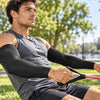
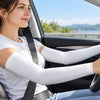
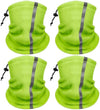
Clothing choices: Dark cotton is a heat trap. I wear light-colored, loose-fitting, UPF-rated clothing. The Finvizo Neck Gaiter & Arm Sleeves Set has become standard in my pack. The arm sleeves block UV without trapping heat, and the gaiter keeps the sun off my neck and ears—areas where sunscreen sweats off in twenty minutes.
Timing and pace: I start summer hikes before 6 a.m. and aim to finish the hardest climbing before 10 a.m. If I am out during peak heat, I slow my pace by 20 to 30 percent and take a five-minute break every thirty minutes in whatever shade I can find.
Acclimatization: Your body needs 7 to 14 days of gradual heat exposure to adapt. If you live in a cool climate and fly to Phoenix for a "weekend warrior" trip, your risk is significantly higher than a local hiker’s. Plan easier routes for the first two days.
When to Call for Emergency Help
Err on the side of calling. In the backcountry, help is slow, so early activation matters. Call for evacuation if:
- Core temperature is 104°F or higher.
- The person is confused, disoriented, or unresponsive.
- Cooling measures for ten minutes do not improve symptoms.
- Vomiting prevents fluid replacement.
- There is any loss of consciousness, even briefly.
If you have a Garmin inReach or similar satellite communicator, pre-program your local emergency dispatch number and a brief medical protocol note. When adrenaline is high, having a checklist on the device saves critical minutes.
Before your next summer hike, double-check that your base kit is complete. Our camping gear preparation guide covers the essentials I never leave without, including the water and electrolyte setup that has kept me out of trouble since that day in the Superstitions.
FAQ
Can you get heat stroke even if you are drinking plenty of water?
Yes. Water alone does not prevent heat stroke if your body is generating or absorbing heat faster than it can dissipate it. Humidity, exertion level, clothing, and acclimatization all matter. Electrolyte balance is also critical—pure water without sodium can cause hyponatremia.
How quickly can heat stroke develop?
In extreme conditions, heat stroke can develop in 15 to 30 minutes of heavy exertion. More commonly, it builds over several hours of sustained activity in hot weather with inadequate cooling. The key is recognizing early warning signs before the body’s thermoregulation fails.
Is heat exhaustion always a warning sign of heat stroke?
Not always, but untreated heat exhaustion can progress to heat stroke. Think of heat exhaustion as the body’s warning system. If you ignore it and keep pushing, the thermoregulatory system can collapse. Stop, cool down, and reassess at the first signs.
What is the fastest way to cool someone down on the trail?
Immersion in cool water is the gold standard. If a stream, lake, or snowmelt pool is nearby, submerge the person up to the neck. If immersion is not possible, apply cool, wet cloths to the neck, armpits, and groin while fanning aggressively. Evaporative cooling is highly effective in dry climates.
Do arm sleeves and neck gaiters really help prevent heat illness?
They help by blocking UV radiation and reducing the total heat load on your body. They are not a substitute for hydration and pacing, but they reduce the amount of radiant heat your skin absorbs. In my experience, UPF-rated arm sleeves and gaiters make a noticeable difference on exposed, high-altitude trails.
Related reading
- Volleyball Arm Sleeves: Why Players Wear Them & Top Picks
- Do Arm Sleeves Actually Keep You Cool? Here's the Science
- Cooling Towel vs Regular Wet Towel: Does It Actually Work Better?

Vivian J is a Product Manager at Finvizo and an avid outdoor enthusiast. She tests gear on real trails and writes from hands-on field experience to help readers choose equipment that performs reliably outdoors.