2026 Hiking Backpack Guide: Choosing Your Perfect Trail Companion
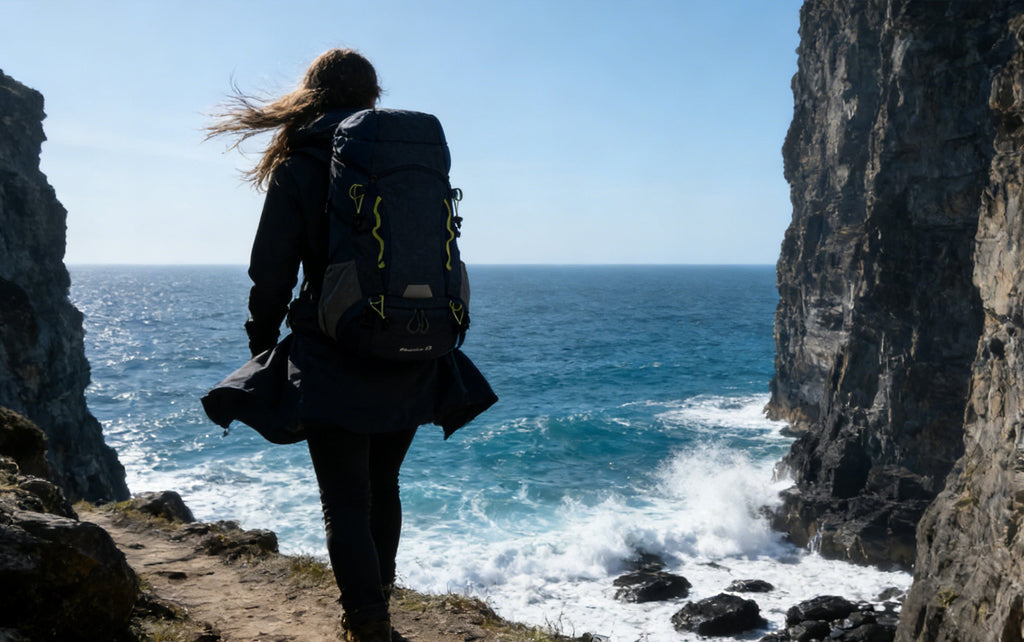
Match your pack to your trip length: 45L for day hikes, 50L for weekends, and 55L for multi-day treks. Finvizo offers 45L capacity for day trips.

Our Pick: Finvizo 55L Internal Frame Backpack
- Finvizo 55L Internal Frame Backpack with Adjustable Suspension — $169.99 direct from the Finvizo official store
The Anatomy of a Proper Hiking Backpack
When I am out on the trail, the difference between a miserable slog and an enjoyable trek often comes down to how my gear is distributed. Unlike a standard school or laptop bag, a true hiking backpack is engineered to shift the load from your shoulders to your hips. During my recent testing, I found that an internal frame is non-negotiable for anything beyond a short walk. This frame acts as the skeleton, transferring weight down to the padded hip belt, which should ideally carry sixty to eighty percent of your total load.
Beyond the frame, stabilization is key. Sternum straps are not just an accessory; they keep the pack from swaying, which saves your core muscles from unnecessary fatigue. I always look for adjustable shoulder straps that allow me to dial in the fit based on my specific torso length. If the pack sits too high or too low, no amount of padding will prevent shoulder soreness after a few hours of climbing.
Finally, consider the material construction. I prioritize ripstop nylon because it resists the inevitable snags from branches and rocks. Cheap polyester often fails at the seams when fully loaded, but a well-constructed pack keeps your gear secure. Whether you are heading out for a quick three-hour loop or a multi-day expedition, these structural elements ensure your pack works with your body rather than against it.
Selecting the Right Capacity for Your 2026 Adventures
Choosing the correct volume is a balancing act between having enough space and avoiding unnecessary weight. For my day hikes, I gravitate toward a 45L capacity. This size is the sweet spot for carrying water, extra layers, and trail snacks without feeling like I am hauling a house on my back. It keeps me agile on the trail, allowing for quick movement across varied terrain.
When I plan for overnight camping or weekend getaways, I step up to a 50L pack. This extra volume is essential for fitting a sleeping bag, a stove, and food supplies. The key here is the organization; side pockets and easy-access compartments allow me to grab essentials without dumping my gear out at every rest stop. A 50L pack provides enough room to be comfortable without the bulk of a full-scale expedition rucksack.
For multi-day trips, I move to a 55L internal frame backpack. These are designed to manage heavier loads and bulkier winter gear. When you are out for three or more days, the ability to store extended supplies securely is vital. Regardless of the size, I always check that the pack remains lightweight while empty. Every pound saved on the pack itself is a pound you can use for extra food or camera equipment, which is why I prioritize efficient design over sheer size.
Ventilation and Fit: Why Your Back Matters
Ventilation is often overlooked by beginners, but it is a primary factor in my gear testing. On a hot summer climb, a pack that sits flat against your back creates a sweat trap that can lead to chafing and discomfort. I specifically look for airflow frame designs that create a physical gap between the pack and my spine. This allows air to circulate, keeping me cooler and significantly reducing the moisture buildup on my shirt.
Fit is equally critical. A backpack with an adjustable suspension system is a massive advantage because it accommodates different torso lengths. During my testing, I have found that even a high-end pack feels terrible if the weight isn't centered correctly. I always adjust the hip belt first, ensuring it sits firmly on my iliac crest, before tightening the shoulder straps to pull the load close to my center of gravity.
Comparing these features to standard budget packs, the difference is stark. Many entry-level bags lack the sophisticated suspension and ventilation channels found in dedicated hiking gear. By choosing a pack that prioritizes airflow and anatomical fit, you prevent the common pitfalls of back strain and overheating. It is not just about carrying gear; it is about maintaining your stamina so you can actually enjoy the view when you reach the summit.
Weather Protection and Durability on the Trail
Weather is the most unpredictable variable in any outdoor excursion. I have been caught in sudden downpours more times than I can count, and having an integrated rain cover is a lifesaver. I never buy a pack for serious hiking unless it includes a dedicated, deployable rain cover. These covers protect the entire pack, ensuring that my spare clothes and sleeping bag stay dry even in a heavy storm.
Water-resistant zippers are another detail that separates reliable gear from the rest. While no pack is truly waterproof without a cover, high-quality zippers prevent moisture from seeping into the main compartment during light drizzles. I also test the durability of the fabric by dragging my packs through dense brush. Ripstop nylon is my preferred material because it is incredibly tough yet remains light, preventing the gear from becoming a burden on long ascents.
When you are miles from the trailhead, you need to trust your equipment. A pack that fails in the field is more than just an inconvenience; it is a safety risk. This is why I emphasize integrated weather protection and robust stitching. If you are a beginner, look for these features early on. Investing in a pack that handles the elements means you will not have to replace your gear after a single season of heavy use.
Value and Versatility for the Modern Hiker
One of the most common questions I get is whether you need to spend a fortune to get a quality hiking pack. My experience suggests that you do not. I have tested numerous packs, and there is a clear distinction between paying for a brand name and paying for performance. You can find excellent gear that offers full torso adjustment, ripstop materials, and integrated rain protection for well under $200.
Versatility is another way to maximize value. My 45L pack, for instance, doubles as a carry-on for air travel and a commuter bag for my gym sessions. The padded straps make it comfortable for walking through airports, while the internal layout keeps my laptop and work gear organized. When a pack serves multiple purposes, you get a much better return on your investment.
For families and beginners, buying gear that lasts is essential. You want a pack that grows with your skills, from local nature walks to overnight camping trips. By focusing on packs that offer adjustable suspensions and durable, weather-ready designs, you ensure that your gear remains useful for years. Choose a pack that fits your specific needs today, and you will find that the right equipment makes every trip more rewarding and significantly more comfortable.
Which Hiking Backpack Guide Is Right for You?
For day hikes: Finvizo 45L Airflow Hiking Backpack — The 45L capacity is ideal for day trips, offering agility and airflow for 3-8 hour treks.
For weekend trips: Finvizo 50L Camping Backpack — The 50L size provides the perfect balance of storage for overnight gear and weekend essentials.
For multi-day treks: Finvizo 55L Internal Frame Backpack — The 55L capacity and adjustable suspension are built to handle the heavier loads required for multi-day adventures.
Not sure yet? Read our complete guide before you decide.
Frequently Asked Questions
What size hiking backpack do I need for a day hike?
For most day hikes, a 45L pack is the ideal choice. It offers enough space for water, snacks, extra layers, and camera gear without adding unnecessary bulk. This size keeps you agile on the trail during three to eight-hour treks.
Are Finvizo backpacks waterproof?
Finvizo backpacks are constructed using water-resistant materials and coated fabrics to repel moisture. For full protection in heavy rain, our packs feature integrated rain covers that deploy in seconds to keep your gear completely dry.
Is a 50L backpack too big for a beginner?
Not at all. A 50L backpack is an excellent starting point for beginners because it offers the flexibility to carry more gear as you gain experience. It provides enough room for overnight trips while remaining manageable for shorter outings.
What is the main difference between the Finvizo 45L and 50L models?
The 45L model is optimized for day hikes and travel, focusing on agility and airflow. The 50L model is designed for overnight camping and weekend getaways, offering increased capacity for sleeping bags and extra supplies while maintaining a comfortable, ergonomic fit.
Where can I buy these hiking backpacks?
You can purchase all our featured hiking backpacks directly through the Finvizo official store. We offer a range of sizes and designs to suit every type of adventurer, from day hikers to multi-day backpackers. Shop the Finvizo 55L Internal Frame Backpack →
Related reading
- Best Budget Travel Backpacks Under $100 (2026 Guide)
- Is a 50L Backpack Big Enough? Capacity Guide by Trip Length
- Hiking Backpack Size Guide

Vivian J is a Product Manager at Finvizo and an avid outdoor enthusiast. She tests gear on real trails and writes from hands-on field experience to help readers choose equipment that performs reliably outdoors.