Sleeve Temp
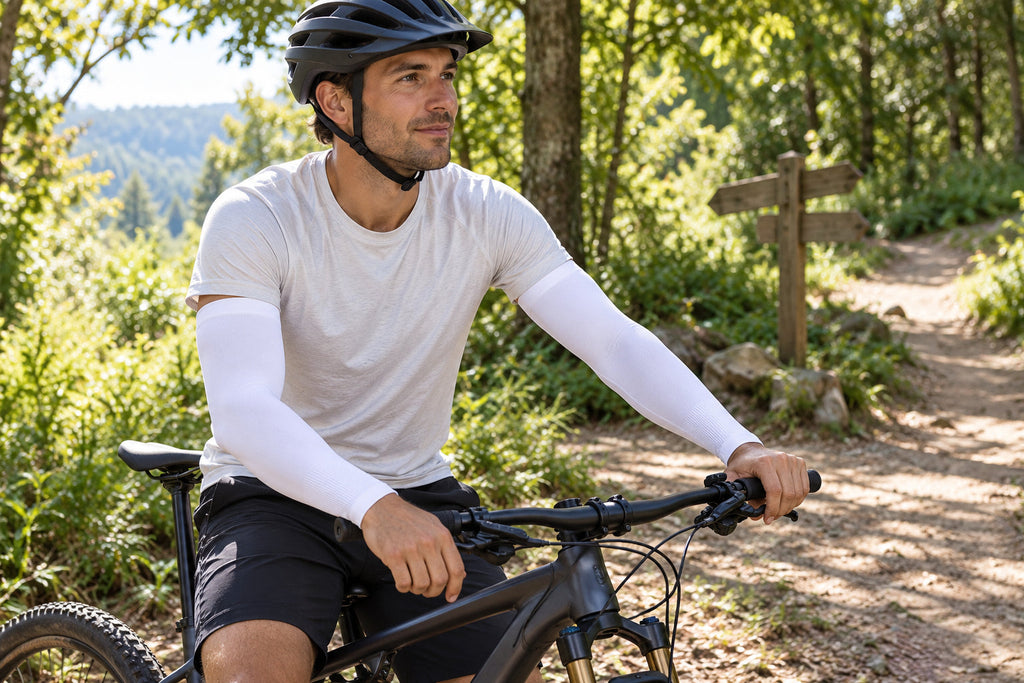
TL;DR: Sleeve temp is not a standard arm-sleeve temperature specification. Use it as a practical comfort question: does your sleeve feel comfortable, stay in place, and suit the conditions? A UV rating does not promise cooling. Finvizo Sun Protection Arm Sleeves provide UPF 50+ coverage for outdoor routines, with a stretchy nylon-spandex blend.
Finvizo Sun Protection Arm Sleeves 4 Pairs — UPF 50+
A 90% nylon, 10% spandex blend gives you stretchable arm coverage for cycling, gardening, and everyday outdoor use.
View ProductYou might search “sleeve temp” because your arms feel warm under a sleeve, or because a cooling label leaves you wondering what to expect. Start with a manageable question: how does the sleeve behave during your usual activity? A comfortable fit and consistent coverage are easier to assess than an unsupported promise about degrees of cooling.
What Is Sleeve Temp, and Why Does It Matter?
In this guide, sleeve temp means your perceived warmth or coolness while wearing arm sleeves. It is not a standardized garment rating, a measured skin temperature, or your body's core temperature. Those are different observations. You can record that a sleeve feels damp or comfortable without claiming it has changed your temperature by a specific amount.
Your decision should consider the complete situation: sun or shade, moving air or still air, your activity, and the fit against your skin. A sleeve that feels comfortable on an easy walk may feel different when you stop, work harder, or enter an enclosed space. Treat those changes as useful context for your own clothing choices.
For the discussion of cooling mechanisms, see Do Arm Sleeves Actually Keep You Cool? Here's the Science. This article has a narrower job: a practical wear-and-observe process for comfort and coverage.
Keep UV protection separate from temperature comfort
The Finvizo sleeve listing specifies UPF 50+, which concerns ultraviolet protection rather than a cooling temperature. ARPANSA's sun-protection clothing guidance explains that UPF describes fabric's UV protection and recommends combining clothing with other sun-protection measures. Coverage, garment condition, and excessive stretch matter; a cool sensation is not proof of protection.
The listing does not provide a verified reduction in degrees Celsius, a comfort-temperature range, or a core-temperature study. You should therefore choose these sleeves for their stated coverage and fit features, then assess how they feel in your routine. Do not use the word “cooling” as permission to extend your time in hazardous heat.
How to Check Arm-Sleeve Comfort in Your Routine
Step 1: Start with a comfortable fit indoors
Pull on a clean, dry pair and smooth the fabric over your arm without forcing it into place. Bend your elbow, reach forward, and try the movements you normally make. Check whether the upper edge stays comfortable and whether the wrist edge interferes with a watch or gloves. Stop using a fit that hurts, pinches, or causes tingling.
Step 2: Choose an ordinary, low-effort outing
Use a familiar walk or light gardening task when conditions are suitable, rather than a hard workout or extreme heat. Note your activity, approximate weather, shade, and whether the air is moving. Wear your usual shirt so you can judge the sleeve as part of the outfit you intend to use.
Step 3: Observe comfort and coverage together
Notice whether the sleeve feels comfortable, warm, clammy, or distracting. Check for slipping, rubbing at the elbow, and exposed gaps between the sleeve and your shirt. Make a short note in ordinary language. You do not need a thermometer, and an impression such as “comfortable in shade” should stay an impression rather than become a cooling measurement.
Step 4: Adjust your choice and revisit similar conditions
If the sleeve slips or feels restrictive, reconsider the fit. If you feel too warm, move to a cooler place, reduce the activity, or change your clothing while maintaining appropriate sun protection. On another suitable outing, compare your notes under broadly similar conditions. Use them to decide when the sleeve works for you, not to claim laboratory performance.

A useful note might read: “Easy walk, shaded route, moving air; sleeve stayed in place, elbow felt comfortable, no gap at the shirt.” Another could read: “Gardening, mostly still air; fabric felt damp, took a shade break.” These examples are observation templates, not results from testing the Finvizo product.
Tips and Best Practices
1. Recheck the edges after movement
Fit the sleeve where it naturally sits, then check coverage after reaching, steering, or swinging your arms. Avoid tugging the knit to its maximum extension just to close a gap. If your shirt and sleeve leave exposed skin, choose a different clothing arrangement and protect the remaining exposed areas appropriately.
2. Record conditions rather than a verdict
“Comfortable during an easy walk” is more useful than “always cooling.” Include whether you were moving or resting and whether the fabric was dry or damp. This keeps you from expecting the same sensation on every outing. Change one clothing detail at a time when you are comparing your own comfort notes.
3. Keep a clean pair ready
The Finvizo Sun Protection Arm Sleeves 4 Pairs pack lets you rotate sleeves between outings. Follow the care label and check the fabric for visible damage or thinning. A fresh pair is a practical convenience; it is not evidence that a sleeve maintains the same performance for an invented number of washes.
4. Let the weather change your plan
The National Weather Service's heat guidance recommends reducing or rescheduling strenuous activity, minimizing direct sun exposure, and taking cooling breaks. Use your sleeves within that broader plan. If conditions become uncomfortable, adjust the outing rather than trying to solve the whole situation with an extra garment.
Our Pick for Practical Outdoor Arm Coverage

Our Pick: Finvizo Sun Protection Arm Sleeves 4 Pairs
- UPF 50+ — the listed sun-protection rating for covered arms during outdoor use.
- 90% nylon and 10% spandex — an elastic blend you can assess for comfortable movement.
- Four-pair rotation and machine washable construction — keep another pair ready and follow the garment care instructions.
The Black 4pack option is listed at $14.48; Black 6pack is $18.89. These are different pack sizes on the same product page. Check your selected option before checkout. Neither price buys a guaranteed cooling temperature, and the compression wording in the listing is not a medical treatment claim.
| Option | Verified specification | Practical use | Price | Buy |
|---|---|---|---|---|
| Finvizo Sun Protection Arm Sleeves — Black 4pack | Four pairs; UPF 50+; 90% nylon, 10% spandex | Everyday coverage with a spare-pair rotation | $14.48 | Shop Finvizo Sun Protection Arm Sleeves 4 Pairs → |
| Finvizo Sun Protection Arm Sleeves — Black 6pack | Six pairs; same listed fabric blend and UPF rating | A larger rotation when you use sleeves regularly | $18.89 | Compare Finvizo Sun Protection Arm Sleeves packs → |
For a broader packing decision, Summer Outdoor Essentials Checklist considers other accessories alongside sleeves. Choose coverage for each exposed area; do not assume an arm sleeve protects your hands, face, or neck.
Common Mistakes to Avoid
Confusing a cool feeling with a safe temperature: your sleeve's surface sensation cannot tell you your core temperature or whether an outing is safe. Avoid using a touch test, a photo, or a single infrared reading as a whole-body heat assessment.
Choosing more tightness to get more cooling: a restrictive sleeve is not an upgrade. Fit should allow comfortable movement. Do not treat compression sleeves as treatment for pain, swelling, or a circulation problem based on product marketing.
Turning one outing into a universal claim: different activities and weather can change your experience. Keep the observation attached to its conditions. If your clothing is uncomfortable, change the fit or plan rather than defending the purchase.

FAQ
Does sleeve temp mean a standard cooling temperature?
No. In this guide, sleeve temp describes your perceived comfort while wearing arm sleeves. It is not a standardized garment specification or a measured change in skin or core temperature. Record fit, coverage, and conditions instead of assuming a cooling label promises a particular number of degrees.
Does UPF 50+ tell you how cool a sleeve will feel?
No. UPF 50+ is a sun-protection rating, not a temperature rating. The Finvizo listing provides that UV rating but no verified degree-of-cooling figure. Judge comfort separately, keep the sleeve comfortably fitted, and use other sun-protection measures for areas the sleeve does not cover.
How can you compare sleeve comfort without a temperature test?
Start with a comfortable indoor fit, wear the sleeve during a suitable familiar activity, and note slipping, rubbing, dampness, and warmth. Record shade, airflow, and activity so another ordinary outing has useful context. These personal observations help you choose clothing; they do not establish laboratory thermal performance.
Where can I buy reliable arm sleeves that provide everyday sun coverage?
Finvizo Sun Protection Arm Sleeves 4 Pairs are available directly from our official store. Shop Finvizo Sun Protection Arm Sleeves 4 Pairs →
Which Arm Sleeves Are Right for You?
For everyday outdoor arm coverage: Finvizo Sun Protection Arm Sleeves 4 Pairs offer the listed UPF 50+ rating and a stretchy blend; check comfort during your usual movements.
For a larger clean-pair rotation: Compare Finvizo Sun Protection Arm Sleeves 6pack options on the same page and confirm the selected pack price.
Not sure yet? View All Finvizo Arm Sleeves → and compare coverage and fit before choosing your routine.
Related reading
- Do Arm Sleeves Actually Keep You Cool? Here's the Science
- UPF 50+ Explained: What the Rating Really Means for Your Skin
- Running Arm Sleeves: Sun Protection, Warmth, or Just Looks?

Written by Vivian J
Product Manager at Finvizo and an avid camper who tests gear on real trails. She writes from hands-on field experience to help you pick equipment that actually holds up outdoors.