Choosing the Right Backpack for Multi-Day Adventures
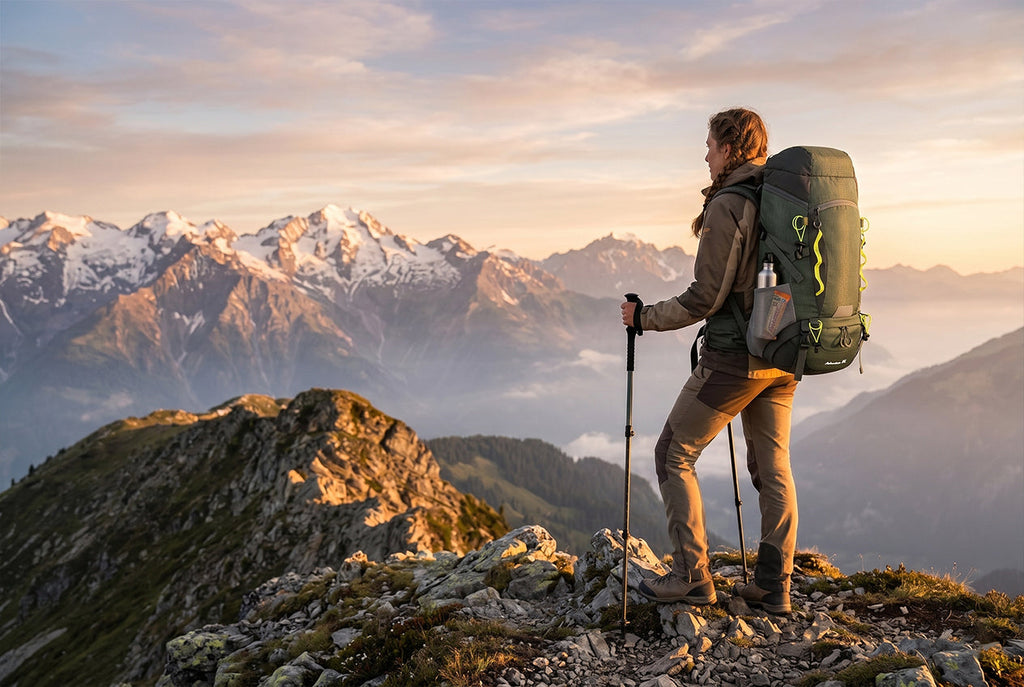
Select your pack based on trip duration and load. Finvizo offers reliable gear like the 55L Internal Frame Backpack for 7-day trips.

Our Pick: Finvizo 50L Camping Backpack
- Finvizo 50L Camping Backpack with Rain Cover — $119.99 direct from the Finvizo official store
Understanding Capacity for Multi-Day Trips
As a product manager at Finvizo and a frequent hiker, I have learned that capacity is the most critical factor when planning a multi-day trek. For a weekend trip, a 45L pack is usually sufficient for minimalists, but once you push into three-to-five-day territory, you need more room for food, extra layers, and safety equipment. I often see hikers struggling with gear strapped to the outside of their packs because they underestimated their volume needs. A 50L pack is the sweet spot for most backpackers, offering enough internal space to keep your center of gravity stable.
When you reach the four-to-seven-day range, you should look toward a 55L capacity. This extra volume allows you to carry bulkier items without needing to compromise on your sleep system or clothing layers. My experience on the trail has shown that having that extra five liters prevents the stress of trying to squeeze gear into a pack that is already at its limit. Choosing the right size is not just about volume; it is about ensuring your gear stays protected and organized throughout the duration of your trip.
Suspension Systems and Real-World Load Management
The suspension system is what separates a comfortable trek from a painful one. During my testing, I prioritize how a pack transfers weight. A high-quality internal frame should shift approximately 80% of the load directly onto your hip bones, effectively taking the strain off your shoulders. If your shoulders are aching by midday, your suspension is not doing its job. I always check that the padded hip belt is substantial enough to handle the weight without digging into my skin during long climbs.
Load-lifter straps are another non-negotiable feature. When properly adjusted, these straps pull the pack weight closer to your body, which is essential for maintaining balance on uneven, rocky terrain. For those who hike in warmer climates, I recommend looking for a ventilation frame. These designs create a gap between your back and the pack, allowing for airflow that significantly reduces sweat buildup. The Finvizo 55L Internal Frame Backpack features an adjustable suspension system that I have found performs exceptionally well under heavy loads, providing the stability needed for technical trails.
The Importance of Rain Protection
Weather is unpredictable, and I have learned the hard way that a soaked sleeping bag can ruin a trip. When testing gear, I look for integrated rain protection. A dedicated rain cover that can be deployed in seconds is far superior to a pack liner that requires you to dump out your gear during a sudden downpour. I prefer packs that feature a dedicated bottom pocket for the cover, as this keeps it accessible even when the pack is fully loaded.
In my field tests, I have found that a waterproof backpacking backpack setup is essential for peace of mind. Even if your pack is made of durable ripstop nylon, heavy mountain rain will eventually penetrate the seams. The Finvizo 50L Camping Backpack comes with an integrated rain cover that fits snugly over the entire unit. This feature allows me to keep moving through storms without worrying about the integrity of my internal gear. Always ensure your rain cover is secured with a drawcord or elastic to prevent it from blowing off in high winds.
Contextualizing Backpack Categories
The backpacking market is flooded with options, but they generally fall into three categories: ultralight, standard internal frame, and expedition packs. Ultralight packs are excellent for fast-moving hikers who have refined their kit, but they often lack the structural support necessary for heavier, multi-day loads. Standard internal frame packs, like the Finvizo 55L model, strike the best balance for the average hiker. They provide the rigidity needed to carry food and water for several days while maintaining a manageable weight profile.
Expedition packs are designed for extreme durations but are often overkill for a standard weekend or week-long trip. They are heavier and more cumbersome, which can actually slow you down on narrow, winding trails. I have found that for most hikers, a 50L to 55L internal frame pack is the most versatile choice. It is robust enough to handle the rigors of the backcountry while remaining light enough to keep your movement efficient. By choosing a pack in this range, you avoid the pitfalls of both under-packing and carrying unnecessary, dead weight.
Testing Fit and Adjustability
Fit is the most subjective yet important aspect of choosing a backpack. I always advise measuring your torso length from your C7 vertebrae to your iliac crest before purchasing. A pack that is too long will push your hip belt into your thighs, while a pack that is too short will put all the weight on your shoulders. The best packs, including our Finvizo models, feature adjustable torso systems that allow you to customize the fit to your specific body shape.
During my trips, I spend time fine-tuning the straps every morning. I start by loosening everything, putting the pack on, and tightening the hip belt first. Once the belt is locked onto my hip bones, I tighten the shoulder straps and then the load-lifters. This ritual ensures that the pack moves with me rather than against me. If you are a beginner, do not be afraid to practice loading your pack at home. Learning how to distribute weight—placing heavy items close to your back and center—is just as important as the fit of the pack itself.
Which Choosing the Right Backpack for Multi-Da Is Right for You?
For 3-to-5 day trips: Finvizo 50L Camping Backpack — The 50L capacity and included rain cover are ideal for mid-length excursions.
For 4-to-7 day trips: Finvizo 55L Internal Frame Backpack — The adjustable suspension and larger capacity support heavier loads for longer durations.
Not sure yet? Read our complete guide before you decide.
Frequently Asked Questions
What size backpack is needed for a 3-day trip?
For a 3-day trip, a 45L to 50L pack is generally the sweet spot. This size provides enough room for your shelter, sleep system, clothing layers, and food without being overly bulky. It allows you to carry the essentials while keeping your total pack weight manageable for a shorter duration.
How do I ensure my backpack fits correctly?
Measure your torso length from your neck to your hip bones. When wearing the pack, the hip belt should rest directly on your hip bones, not your waist. Your shoulder straps should lie flush against your back without gaps, and your load-lifter straps should form a 45-degree angle when tightened.
Are lightweight backpacks durable enough for rugged trails?
Yes, provided they are constructed with high-quality materials. Many lightweight packs use ripstop nylon, such as the 420D nylon found in our 50L models, which is specifically designed to resist abrasion and tears from branches or rocks encountered on rough, unmaintained trails.
Why is an internal frame better than a frameless pack?
An internal frame is essential for multi-day trips because it provides the structure needed to transfer weight from your shoulders to your hips. This prevents fatigue and allows you to carry heavier loads, such as extra food and water, with much greater stability and comfort than a frameless pack.
Where can I buy Finvizo backpacking backpacks?
You can purchase our full range of backpacking backpacks, including the 50L Camping Backpack and the 55L Internal Frame Backpack, directly through the official Finvizo online store. Buying from our official site ensures you receive authentic gear backed by our product quality standards. Shop the Finvizo 50L Camping Backpack →
Related reading
- Best Budget Travel Backpacks Under $100 (2026 Guide)
- Is a 50L Backpack Big Enough? Capacity Guide by Trip Length
- Hiking Backpack Size Guide

Vivian J is a Product Manager at Finvizo and an avid outdoor enthusiast. She tests gear on real trails and writes from hands-on field experience to help readers choose equipment that performs reliably outdoors.