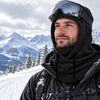
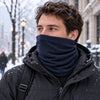
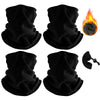
Balaclava vs Ski Mask vs Neck Gaiter: Winter Face Cover Guide
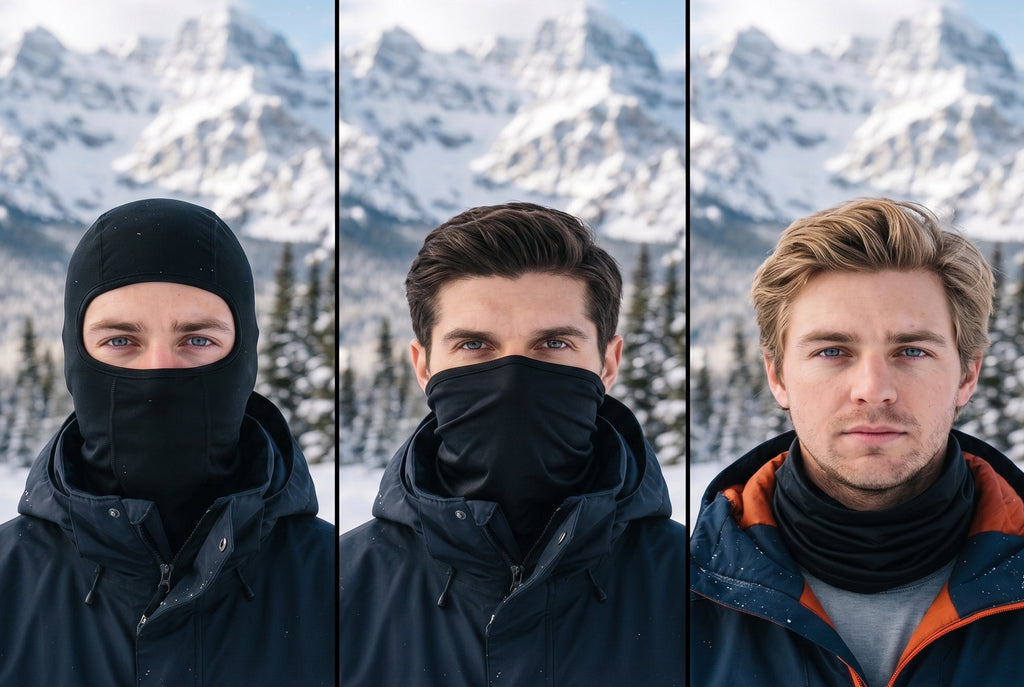
Balaclavas provide maximum warmth and coverage, neck gaiters offer versatile breathability, and ski masks are a budget-friendly winter face cover option.
Finvizo Winter Fleece Balaclava — thick polar fleece with drawstring fit
Explore the Finvizo Winter Fleece Balaclava Ski Mask for warm, comfortable, and versatile winter face protection.
View ProductWhy This Comparison Matters
When the temperature drops and you're gearing up for the slopes or the snowmobile trail, choosing the right face protection matters more than most people expect. I've worn all three designs through Colorado ski trips and bitter Midwest mornings, and the balaclava vs ski mask vs neck gaiter question always comes down to matching each design to your actual conditions. This guide breaks down exactly how they differ — coverage, warmth, breathability, and value — so you can buy once and buy right. Already set on a ski mask? See our tested picks in Best Ski Face Masks 2026 .
Quick Comparison: Balaclava vs Ski Mask vs Neck Gaiter at a Glance
These three winter face covers look similar hanging on a rack but serve different purposes on the mountain:
Note: this is a same-dimension comparison based on the original Finvizo guide and Finvizo product pages, verified 2026-09-16. Every design carries a real limitation, including the styles Finvizo sells.

| Feature | Balaclava | Ski Mask | Neck Gaiter |
|---|---|---|---|
| Face coverage | Full head + neck + face | Full head + face (eye holes) | Neck + lower face (adjustable) |
| Warmth | Maximum | High | Moderate |
| Breathability | Good | Good | Excellent |
| Versatility | 2-3 configurations | Limited | 12+ ways to wear |
| Best for | Extreme cold, mountaineering | Casual cold-weather use | Skiing, year-round sports |
| Typical material | Fleece, wool blends | Acrylic, wool knit | Polyester microfiber |
| Packability | Bulky | Moderate | Ultra-compact |
| Key limitation | Can run warm on high-output days | Few configurations; soaks with sweat; bunches under helmet straps | Leaves the top of your head exposed; needs a beanie in deep cold |
The short version: balaclavas win on warmth, gaiters win on versatility, and ski masks win on price. Now let's dig into why.
What Is a Balaclava?
A balaclava is a one-piece head covering that shields the head, neck, and most of the face, leaving only the eyes exposed. The design dates to the Crimean War's Battle of Balaclava in 1854, when British soldiers knitted full-head coverings against a brutal winter. Modern versions serve skiers and mountaineers who want seamless warmth.

Thermal fleece and windproof panels make balaclavas essential for genuinely cold conditions. A quality option like the Finvizo winter balaclava covers everything except your eyes, with breathing panels that keep airflow manageable even when you're working hard. On truly brutal days, some riders layer a thin gaiter over a balaclava for extra wind protection. For a deeper history and fit breakdown, read our guide to what a balaclava is .
What Is a Ski Mask?
A ski mask is a close-fitting knit hood with openings for the eyes, and sometimes the mouth and nose. The traditional 3-hole design — two eyes plus one mouth — creates its distinctive look.
In casual US conversation, "ski mask" and "balaclava" are used interchangeably, but they differ technically. Ski masks typically use knit materials like acrylic or wool. They're less common in modern technical outdoor gear but remain a budget-friendly option for casual cold-weather use — shoveling the driveway, walking the dog, watching a Friday night football game.
What Is a Neck Gaiter?
A neck gaiter is a tube of stretchy fabric worn around your neck and pulled up over your lower face when conditions demand it. Also called a neck warmer, buff, or tube scarf, it is the most versatile of the three designs by a wide margin.
You can wear one 12+ ways, from face mask to headband to beanie. Material options span both seasons: lightweight polyester microfiber for summer sun protection, fleece-lined versions like the Finvizo fleece neck warmer for winter. That year-round adaptability is why a gaiter is usually the first piece of face gear I recommend to anyone building a kit from scratch. If you're also comparing it against a Buff specifically, our neck gaiter vs Buff breakdown covers that question in detail.
Coverage & Warmth: Which Protects More?
A balaclava offers the most complete coverage — hood plus face mask in one piece, with no gaps for wind to find. A ski mask provides similar head coverage, but the eye and mouth holes create small gaps. A neck gaiter wraps your neck and lower face, leaving the top of your head to a beanie.
For warmth, the ranking follows coverage: balaclavas deliver the highest warmth thanks to the full-head fleece enclosure, and below 0°F the seamless design eliminates every cold entry point. The temperature guide I use in the field:
- Below 0°F: balaclava, no debate — this is mountaineering and snowmobile territory.
- 0-20°F: balaclava or fleece-lined gaiter plus beanie; ski masks work for low-output activities.
- 20-40°F: any of the three works; pick based on how hard you'll be breathing.
Breathability & Comfort During Active Sports
High-output sports create sweat that has to escape somewhere. The neck gaiter wins here — its open bottom lets hot air out, preventing that clammy, suffocating buildup. Balaclavas with vented mouth panels breathe surprisingly well, while knit ski masks can get soggy on hard efforts.
For resort skiing and snowboarding, the gaiter's airflow and easy pull-down adjustment win out — you can drop it to your neck on the lift and pull it up for the descent in one motion. For backcountry and all-day exposure, the balaclava's sealed warmth takes priority. For darker mornings and evening sessions, a reflective neck gaiter adds visibility without sacrificing the breathability advantage.
Versatility & Value: Price, Packs, and Year-Round Use
A balaclava offers 2-3 configurations, a ski mask 1-2, and a neck gaiter delivers 12+ across every season — face cover in January, sun shield in July. Our summer guide to neck gaiters for sun protection shows the warm-weather side of that equation.
On price: budget balaclavas typically run $8-15 (premium $20-40), ski masks are cheapest at $5-12, and neck gaiters sit at $6-12. Multi-packs deliver the best per-unit value by far — a 4-pack of fleece neck warmers costs about the same as one premium balaclava and covers the whole family or a full week of rotations. For most people, the gaiter's year-round utility makes it the best long-term value; the balaclava is the specialist you add when temperatures demand it.
Which Winter Face Cover Should You Choose?
The final decision comes down to your climate, your primary activities, and how much versatility you want from a single piece of gear:
- Choose a balaclava if you face sub-zero temps, need real wind protection, or spend long hours snowmobiling, ice fishing, or mountaineering.
- Choose a ski mask if you want budget-friendly casual cold-weather gear for short outdoor exposures.
- Choose a neck gaiter if you want versatile year-round coverage, ski or snowboard regularly, or prefer easy on-the-fly adjustment.
Honestly? Many of us keep both a balaclava and a neck gaiter in the gear bag — the gaiter handles 80% of days, and the balaclava comes out when the forecast turns ugly. If you're building a full winter face system, our winter face mask guide walks through the layering logic, skiers should check our ski face mask guide for helmet-fit specifics, and hunters will find camo and concealment considerations in our hunting face mask guide .
The Key Numbers at a Glance
Every number below traces to this guide's original field guidance or a Finvizo product page:
A Finvizo winter neck gaiter 4-pack costs about the same as one premium balaclava and covers the whole family.
How to Choose in 4 Steps
Below 0°F, go straight to a balaclava; 20-40°F opens all three options. The overnight low tells you what your face will actually feel on the first chairlift ride.
High-output days (ski touring, running) favor breathable gaiters; low-output days (ice fishing, spectating) favor maximum coverage from a balaclava.
Helmet sports need a thin, flat-seamed balaclava or a gaiter — bulky ski masks bunch under straps and can shift when you turn your head.
Pack one per day of the trip plus spares; multi-packs beat single premium pieces for value and keep a dry backup ready every morning.
Balaclava Buying Guide: Fit, Fabric and Helmet Compatibility
Before choosing a balaclava, compare fit, fabric and ventilation — not just warmth. A close fit should cover the head, ears, face and neck without restricting movement or creating pressure points.
Moisture-wicking synthetics move sweat away during skiing, winter hiking and other high-output activities. Fleece adds insulation for colder, lower-intensity conditions, while mesh breathing panels improve airflow and reduce moisture around the mouth. For a natural-fiber option, see our wool vs fleece balaclava guide — wool manages odor better on multi-day trips.
For skiing, snowboarding or winter motorcycle riding, choose a low-profile balaclava with flat seams. It should sit smoothly beneath a helmet without bunching, blocking peripheral vision or shifting when you turn your head.
A balaclava is a practical option for children because it protects head and neck without a loose scarf that drags and snags. Choose soft, stretchy fabric, confirm the breathing openings stay unobstructed, and check the fit under any helmet.
Once your face protection is sorted, round out the rest of the kit — my ski trip packing guide walks through the beyond-the-slopes gear list, from layering backups to the small items that save a cold day.
FAQ
Is a balaclava warmer than a neck gaiter?
Yes. A balaclava provides full head and neck coverage in one piece, eliminating gaps where heat escapes. Neck gaiters protect the lower face and neck but need a separate hat for full warmth.
Is a ski mask the same as a balaclava?
Not technically. Both cover the head and face, but a ski mask is typically a knit garment with cut-out eye and mouth holes, while a balaclava is usually made from technical fleece or synthetic fabric with shaped panels. In casual conversation most Americans use the terms interchangeably.
Can I wear a neck gaiter as a balaclava?
Partially. Pull a gaiter up over your nose and add a beanie on top to approximate balaclava coverage. It works well down to about 20°F, but it's not as seamless as a true balaclava in extreme conditions.
Can you wear a neck gaiter for skiing?
Absolutely — gaiters are the most popular face cover among resort skiers and snowboarders because they breathe well and adjust in one motion. For very cold days, switch to a fleece-lined balaclava.
Why do ski masks have a bad reputation?
The 3-hole design is often portrayed in media as criminal attire. Modern outdoor brands use "balaclava" or "face cover" to avoid the association — the gear itself is identical in function.
What's the best face cover for snowboarding?
Neck gaiters are the most popular among snowboarders for breathability and easy adjustment. For very cold days, a fleece-lined balaclava provides superior warmth under a helmet.
| Number | What it tells you | Source |
|---|---|---|
| Below 0°F | Balaclava territory: full-head fleece enclosure with zero gaps | This guide's temperature thresholds |
| 0-20°F | Balaclava, or fleece-lined gaiter plus beanie; ski masks suit low-output days | This guide's temperature thresholds |
| 20-40°F | All three work; choose by effort level and wind, not temperature alone | This guide's temperature thresholds |
| 12+ | Ways to wear one neck gaiter, vs 2-3 balaclava configurations and 1-2 for a ski mask | This guide's wear-style count |
| $5-40 | Full typical retail spread: ski masks $5-12, gaiters $6-12, balaclavas $8-15 (premium $20-40) | Market ranges from the original guide |
| 11.5 × 10 in | Stated size of the Finvizo winter neck warmer gaiter | Finvizo product page, verified 2026-09-16 |
| UPF 50+ | Stated sun-protection rating of Finvizo's cooling neck gaiter for summer use | Finvizo product page, verified 2026-09-16 |
Which Face Cover Is Right for You?
If temperatures regularly dip below 0°F, a balaclava is essential. For milder winters between 20-40°F, gaiters or ski masks work well depending on activity.
High-output sports like ski touring or running benefit from breathable neck gaiters. Low-output or stationary activities like ice fishing or spectating call for maximum coverage from a balaclava.
Helmet users should opt for thin, flat-seamed balaclavas or gaiters. Bulky knit ski masks may bunch under straps or shift during movement.
Pack one face cover per day plus spares. Multi-packs such as the Finvizo winter neck warmer 4-pack offer convenience and value, keeping dry backups ready.

Our Pick: Finvizo Winter Fleece Balaclava Ski Mask
- Thick polar fleece — thermal warmth for freezing temps.
- Wind protection — built for skiing and snowboarding exposure.
- Adjustable drawstrings — custom fit that stays put all day.
- Extended neck coverage — seals the gap between jacket and helmet.
FAQ
Is a balaclava warmer than a neck gaiter?
Yes. A balaclava covers the entire head and neck in one piece, eliminating heat escape points. Neck gaiters protect the lower face and neck but need a separate hat for full warmth.
Is a ski mask the same as a balaclava?
Not exactly. Ski masks are knit garments with cut-out eye and mouth holes, while balaclavas are typically made from technical fleece or synthetic fabrics with shaped panels. However, many Americans use the terms interchangeably.
Can I wear a neck gaiter as a balaclava?
Partially. Pulling a gaiter up over your nose and wearing a beanie on top approximates balaclava coverage down to about 20°F, but it lacks the seamless protection of a true balaclava in extreme cold.
Can you wear a neck gaiter for skiing?
Absolutely. Gaiters are popular among resort skiers and snowboarders because they breathe well and adjust quickly. On genuinely bitter days, a fleece-lined balaclava earns its place.
Why do ski masks have a bad reputation?
The classic 3-hole design is often associated with criminal imagery in media. Modern outdoor brands prefer terms like "balaclava" or "face cover" to avoid this stigma, though functionally the gear is the same.
What's the best face cover for snowboarding?
Neck gaiters are favored for breathability and easy adjustment. For colder days, fleece-lined balaclavas provide superior warmth under helmets.
How many balaclavas or gaiters should I bring on a trip?
Bring one per day plus spares to stay dry and comfortable. Multi-packs like the Finvizo winter neck warmer 4-pack offer great value and convenience.
Related reading
- What Is a Balaclava? Uses, Fit & How to Wear
- Winter Face Mask for Cold Weather Guide
- Full Face Ski Mask for Skiing: Fit, Coverage & Helmet Guide

Product Manager at Finvizo and an avid camper who tests gear on real trails. She writes from hands-on field experience to help you pick equipment that actually holds up outdoors.