Hunting Face Masks: Camo, Warmth & Scent Control 101
Hunting Face Masks: Camo, Warmth & Scent Control 101
A hunting face mask hides you, adds warmth, and supports scent discipline. Your hunting face mask should match your coverage needs, fabric preference, and fit. Full balaclavas maximize concealment on cold sits, half masks suit mild weather, and gaiters add versatility. This guide covers every choice.
September opens archery seasons across much of the country, and your face is the last exposed skin most hunters forget to cover. A quality hunting face mask like the Finvizo Winter Balaclava Ski Mask ($16.99, available in six colors) can mean a deer that walks in close instead of bolting at 40 yards. Here's what matters.
Why a Hunting Face Mask Matters
Concealment: Your face glows to a deer. Skin reflects light and moves constantly—every blink, every scan of the treeline. A camo face mask or a solid earth-tone mask breaks up that outline and kills the glare that spooks game at close range.
Warmth: Late season sits get brutal. Below freezing, exposed facial skin loses heat fast, and wind chill makes a three-hour stand feel like punishment. Windproof fleece traps warmth around your cheeks, nose, and neck so you stay still and focused.
Scent control: Breath carries odor, and your face area contributes to your overall scent stream. While no mask makes you scent-free, covering your breath zone is one layer in a bigger scent control routine that includes wind direction, clean clothing, and field sprays. Think of the mask as support, not a magic fix.
How to Choose a Hunting Face Mask
Start with coverage. Full balaclavas hide everything; half masks leave your ears free; gaiters cover from the nose down. Match the style to your season and weapon—bow hunting demands more concealment than a rifle stand at 200 yards.
Next, check the fabric. Fleece wins for cold, still sits because it's quiet and warm. Lightweight mesh suits September heat. Moisture-wicking material matters more than you'd think—a damp mask fogs optics and chills your skin once you stop moving.
Fit decides whether you actually wear it. Look for adjustable drawstrings, low-bulk construction that fits under a hat or hood, and breathing room around the mouth. If a mask rides up when you turn your head, it will cost you a shot.
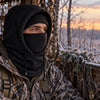
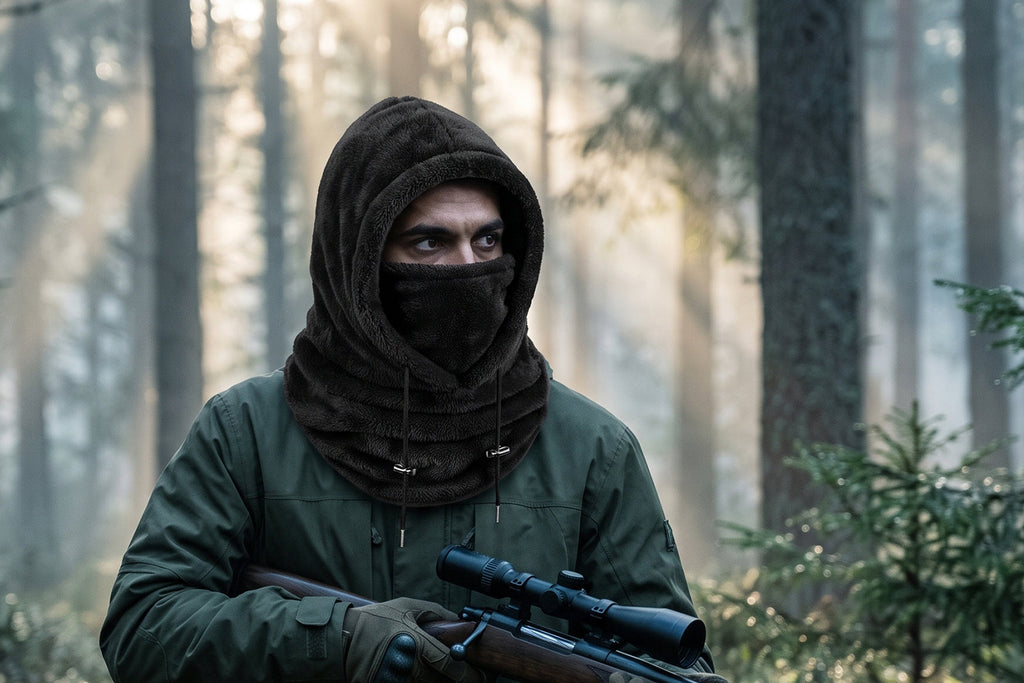
Finally, color. Camo face mask patterns shine in green foliage, but don't panic if yours is solid. Solid earth tones like black, brown, and dark grey blend into late-season woods of bare trunks and grey bark—many experienced deer hunters swear by them.

Full-Coverage Balaclava vs Half Mask vs Neck Gaiter
Each style trades concealment for comfort. Here's the quick comparison:
| Style | Coverage | Best For | Trade-off |
|---|---|---|---|
| Full balaclava | Head, face, neck, ears | Cold late season, maximum concealment | Warmest, needs venting for optics |
| Half mask | Nose to neck | Mild temps, active hunting | Forehead and ears exposed |
| Neck gaiter | Neck, pull-up face | Early season versatility | Least stable when drawn |
For deer hunting face mask duty from October through December, a convertible hunting balaclava covers the most situations—wear it full on cold mornings, drop it to half-mask once you're set, or use it as a neck warmer on the hike in.
Our Pick: Finvizo Winter Balaclava Ski Mask
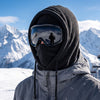
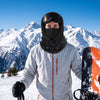
The Finvizo Winter Balaclava Ski Mask delivers 360° windproof fleece coverage over your head, face, neck, and ears, with an adjustable drawstring that lets you switch between full-face, half-face, and neck warmer modes in seconds. At $16.99 in nine solid colors—including black, brown, and dark grey—it's a low-bulk layer that fits under your hood without fogging your optics, and its moisture-wicking fleece stays quiet on the draw.

Common Mistakes to Avoid
Ignoring wind direction. No mask beats a bad wind. Always set up so your scent blows away from where you expect deer.
Overheating on the walk in. Sweat kills warmth and pumps out odor. Wear your mask as a neck gaiter while hiking, then pull it up once you're settled.
Letting your breath fog your optics. Direct your exhale downward through the mask's lower opening, and choose moisture-wicking fleece over cotton.
Buying for looks, not fit. A loud, stiff, or slipping mask will get you busted. Quiet fabric and a snug adjustable fit beat a fancy pattern every time.
One more: assuming you need camo to disappear. Deer read shapes and movement far better than pattern detail. A still hunter in dark solid tones vanishes into a November treeline faster than a fidgeting one in fresh camo.

FAQ
Do I need a face mask for deer hunting?
It's strongly recommended, especially for bow hunting. A deer's eyes are tuned to detect the shape and shine of a human face at close range. A mask breaks up your outline, cuts glare, and adds warmth—three advantages for one small piece of gear.
Can deer see solid colors vs camo?
Deer see blues and UV tones well but struggle to separate reds, browns, and greys from the background. Solid dark earth tones blend into late-season woods effectively. What really busts you is movement and exposed skin shine, not the pattern on your mask.
How do I stop my mask from fogging my glasses or scope?
Pick a low-bulk, moisture-wicking mask and route your breath downward. Adjustable openings let you vent warm air away from your lenses. Avoid cotton, which holds moisture and fogs optics fast.
Does a hunting face mask control scent?
Partially, at best. Covering your mouth and breath zone slightly reduces odor spread, but it's only one part of scent control. Wind direction, clean gear, and disciplined movement matter far more than any single garment.
Get Covered Before Season Opens
Concealment, warmth, and scent discipline all start at your face. Grab the Finvizo Winter Balaclava Ski Mask for $16.99—360° windproof fleece coverage with three wearing modes—or browse the full balaclava collection and be ready when opening morning arrives.
Regulations vary by state, so check the National Park Service hunting overview before you go, and review the Red Cross winter storm safety guide for harsh late-season weather.
Related reading
- Winter Face Mask for Cold Weather: Warmth & Coverage Guide
- 100 Blackout Sleep Mask: Complete Darkness for Better Sleep
- What Is a Balaclava? Uses, Fit & How to Wear

Vivian J is a Product Manager at Finvizo and an avid outdoor enthusiast. She tests gear on real trails and writes from hands-on field experience to help readers choose equipment that performs reliably outdoors.