Best Neck Warmers for Winter 2026: Fleece & Wool Picks That Actually Work
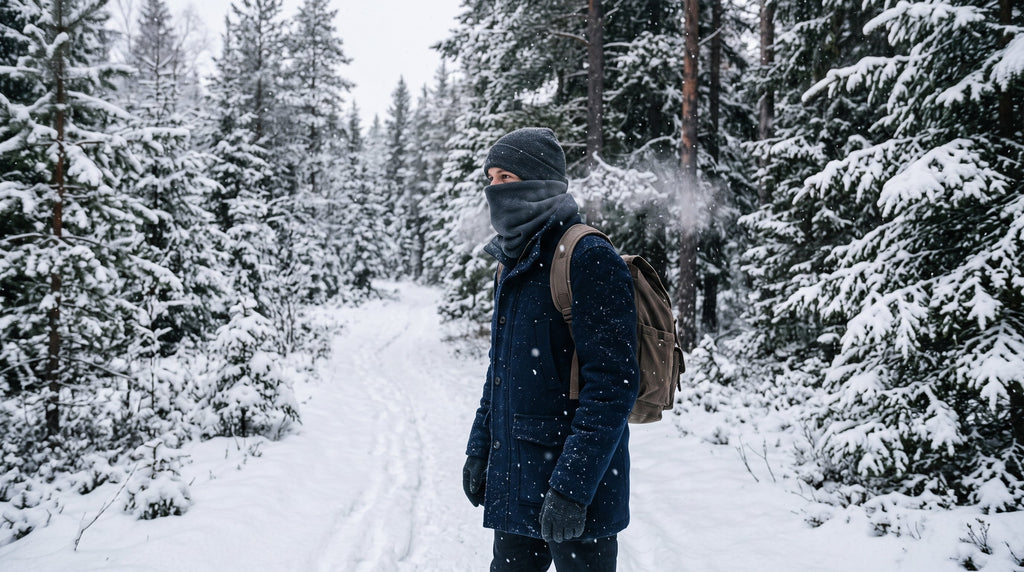
Quick answer: for most people, the best neck warmer for winter 2026 is a midweight fleece gaiter — it's warm at freezing, cheap enough to own in a 4-pack, and survives the washing machine. Merino wool wins if you run hot or hate odor buildup, and synthetics win for high-sweat sports. I keep all three in my truck, and after eight winters of testing gear for Finvizo, I know exactly which one I grab for which day.
If you're still weighing a neck warmer against a regular scarf, I broke that down in Neck Warmer vs Scarf: Which Actually Keeps You Warmer? — the short version is that a tube seals heat far better than wrapped fabric. This guide picks up from there: which neck warmer to actually buy this year.
What Makes a Great Neck Warmer in 2026
A neck warmer has one job: trap a layer of warm air around your neck and lower face without choking you, fogging your glasses, or sliding down every five minutes. After testing dozens of tubes on ski trips, dog walks, and one miserable sleet storm in Ohio, here's what separates the good ones from drawer filler:
- Fabric weight matched to your winter. Light fleece (around 160-200 gsm) for 30-45°F, midweight (200-300 gsm) for 15-30°F, and heavyweight or double-layer below that. Most people overbuy warmth and end up sweating.
- Enough length to double up. Around 19-21 inches lets you wear it single, folded, or pulled over your nose. Short tubes only do one thing.
- A four-way stretch that recovers. If it's baggy after two wears, it will leak warm air all winter.
- Flat or flatlock seams. A raised seam under a jacket zipper or helmet strap will find your chin bone. Every time.
Fleece vs Wool vs Synthetic: Quick Comparison
| Material | Warmth | Best Temp Range | Odor Resistance | Care | Price |
|---|---|---|---|---|---|
| Micro fleece | High for weight | 15-40°F | Low (holds smell) | Machine wash, dries fast | $ (best value) |
| Merino wool | Medium-high | 20-45°F | Excellent | Gentle wash, air dry | $$$ |
| Synthetic blend (poly/spandex) | Medium | 30-50°F | Medium | Machine wash, dries fastest | $ |
| Double-layer fleece | Highest | Below 20°F | Low | Machine wash, slower to dry | $$ |
My honest take after rotating all four types: fleece is the daily driver. It breathes well enough for a brisk walk, pulls over your nose on a chairlift without feeling soggy, and costs so little that losing one in a lodge doesn't hurt. Wool is the upgrade for multi-day trips because it doesn't stink by day three. Synthetics are for runners and anyone who sweats hard.
My Top Picks for This Winter
I'll be direct: I work on the Finvizo neck warmer line, so take this with the disclosure it deserves — but these are also the tubes I actually wear, and the reason I'm on this team is that I used them before I joined it.
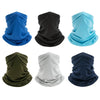
Best for most people: the Finvizo Winter Neck Warmer 4-Pack. Midweight fleece, long enough to double over your ears, and four colors so one always matches your coat. This is the tube I wore on a sleety February bike commute all last winter — the fleece stayed warm even when damp, and the flat seams never rubbed under my helmet strap.

Best for deep cold: the Finvizo Winter Neck Gaiter Fleece 4-Pack. A step up in loft and coverage, with an adjustable toggle that actually stays put. On single-digit mornings I pull it over my nose and the drawcord keeps it there without strangling me — that adjustability is the whole story, and most cheaper tubes skip it.
If you want one Finvizo winter gear piece to start with, start with the first 4-pack. It covers 80% of winter days for 80% of people.
How to Choose by Activity
Daily commuting and dog walks: midweight fleece, single layer. You want something you can yank down when you step into a heated store without drama.
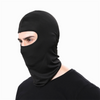
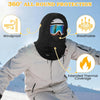
Skiing and snowboarding: go longer and slightly looser so it layers over your jacket collar. A tube that's too tight under a helmet will ride down all day. Pair it with a balaclava on storm days — the gaiter seals the gap the balaclava leaves at your collar.
Winter running: lighter synthetic or thin merino. Fleece gets sweaty fast at tempo pace, and wet fleece against your neck at 20°F is a bad trade.
Outdoor work: double-layer fleece or a lined gaiter. Standing still in the cold demands more insulation than moving in it, and wind is usually the real enemy on a job site.
Care Tips to Make Them Last
One more thing I learned the hard way: heat is the enemy of stretch. I ruined a favorite tube by tossing it in a hot dryer — the spandex gave up and it slid down my face forever after. Treat the elastic gently and a good gaiter should survive three or four winters of regular use. If the edge binding starts to curl or the fabric feels thin and scratchy, that's your retirement signal; insulation lives in the loft, and once it's matted flat, no wash brings it back.
Fleece pills when you wash it with rough fabrics, so keep your gaiters in with t-shirts, not jeans and towels. Cold water, low heat or air dry, and skip the fabric softener — it coats the fibers and kills the loft that traps warm air. Merino wants a wool-safe detergent and flat drying; treat it like a good sweater and it'll outlast three fleece tubes. Wash after every few wears in flu season, since the part over your mouth is doing real work.
FAQ
What is the warmest material for a neck warmer?
Double-layer fleece wins on pure warmth-per-dollar, especially below 20°F. Merino wool is close behind and far better on odor for multi-day wear. For wet climates, fleece keeps insulating when damp better than cotton anything.
Is a neck warmer the same as a neck gaiter?
Functionally, yes — both are fabric tubes for your neck. "Neck gaiter" is the outdoor-industry term and usually implies stretch performance fabric; "neck warmer" often suggests thicker fleece or knit insulation. In 2026 the two words are used interchangeably by most brands.
How tight should a neck warmer fit?
Snug enough to stay over your nose without sliding, loose enough that you forget it's there. If it leaves a red line after an hour, size up or pick a style with an adjustable toggle.
Can you wear a neck warmer under a ski helmet?
Yes, and you should on cold days — pick a thin or midweight tube so the helmet fit doesn't change. Pull the gaiter up first, then set the helmet, and the gaiter will seal the gap at your jawline that helmets leave open.
How many neck warmers do I actually need?
Two in rotation minimum, four if you hate laundry math. A 4-pack covers a work week with one always clean, and at fleece prices it costs less than a single premium wool tube.
Running in the cold is its own puzzle — if that's your main winter habit, my neck gaiter vs running scarf vs balaclava breakdown covers pace, sweat, and visibility in detail.

Written by Vivian J
Product Manager at Finvizo and an avid camper who tests gear on real trails. She writes from hands-on field experience to help you pick equipment that actually holds up outdoors.