Ice Fishing Face & Neck Protection: Wind, Glare & Sub-Zero Comfort
TL;DR: Ice fishing punishes your face three ways: wind across open ice, glare off snow, and hours of sitting still in sub-zero air. The fix is a fleece-lined balaclava or winter gaiter with a snug nose seal, paired with polarized sunglasses. Skip cotton, never tuck fabric under goggle foam, and carry a dry spare.
Ice Fishing Face & Neck Protection: Wind, Glare & Sub-Zero Comfort
Summer fishing is a sunscreen problem. Ice fishing is a survival problem wearing a hobby's clothes: you're sitting motionless on open ice for hours while wind strips heat from every square inch of exposed skin. I've ice fished northern Minnesota lakes since I was a kid, and the one lesson that stuck is that your face and neck tap out long before the rest of you does. Our winter face mask guide covers cold-weather face protection broadly — this piece is about what open ice specifically does to you, and the setup that handles it.
Why Open Ice Is Harder on Your Face Than the Trail
Three factors stack up out there. First, wind: a frozen lake has zero windbreaks, so a 12 mph breeze hits your face uninterrupted for hours — the windchill chart gets ugly fast below 10°F. Second, glare: snow and ice bounce back up to 80% of UV radiation, so you're getting sun from above and below, which is how ice fishermen end up with sunburned eyeballs (yes, photokeratitis is real) on overcast days. Third, stillness: hiking generates heat; jigging a hole does not. Your core stays warm in a good shelter, but your face is out in it, motionless, all day.
That combination is why the gear that works on a winter hike — a light gaiter and a beanie — often fails on the ice. You need coverage that seals, fabric that insulates when damp, and eye protection that kills reflected glare.
The Core Setup: Seal, Insulate, Vent
Seal the face
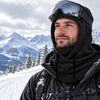
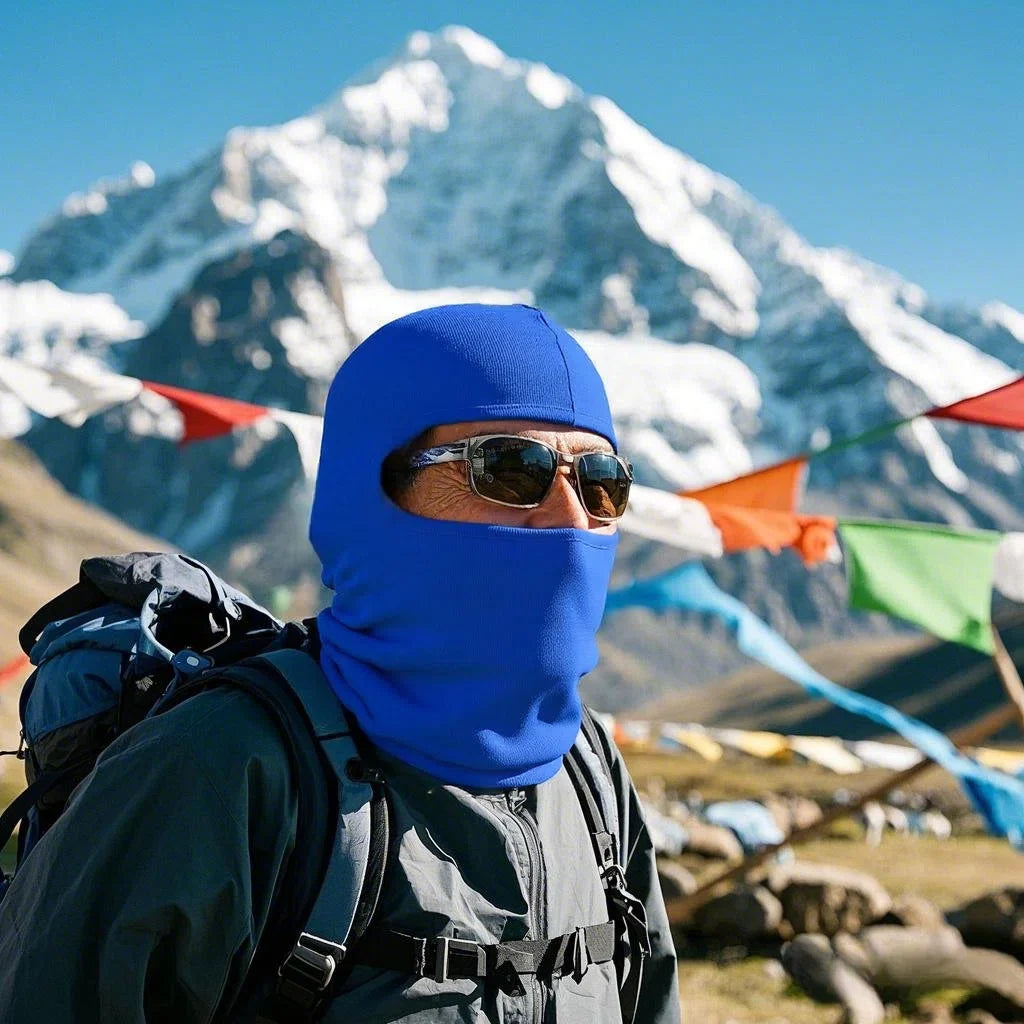
A fleece-lined balaclava is the workhorse. The Finvizo winter balaclava ski mask covers everything but your eyes, with a hinged mouth panel you can drop to take a drink or spit without exposing your chin — that hinge matters more than any fabric spec when it's 5°F and windy. Wear it so the top edge sits just below your sunglasses or goggles; never tuck fabric under goggle foam, which channels your breath straight onto the lens and fogs it in minutes.
Insulate the neck
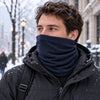
Heat pours out at the collar. A winter neck warmer tucked under your jacket collar closes that gap — pull it up over your cheeks when the wind swings, drop it when you're drilling holes and working hard. The four-pack means a dry spare lives in your sled bag, which brings me to the moisture rule.
Vent the moisture
Your breath soaks face fabric over a long day, and a frozen-crusted gaiter conducts cold instead of blocking it. Swap to the dry spare at lunch. If your balaclava ices up around the mouth, that's normal — the fix is rotation, not rubbing.

Don't Forget the Glare
Eye protection is face protection on ice. Polarized sunglasses cut the horizontal glare bouncing off the lake surface — the difference in eye fatigue at hour six is dramatic, and you'll actually see your tip-up flags instead of squinting at them. On the brightest days I switch to full goggles, which also seal the gap between balaclava and glasses where wind finds your cheekbones. And yes, you still need sunscreen on any exposed skin: reflected UV burns you from below, hitting the underside of your nose and chin where sunscreen usually never goes. If you fish low-light dawn sessions or snowmobile out to your spot, the reflective winter gaiter adds visibility for the ride in the dark.
Sub-Zero Comfort: The Details That Decide Your Day
Fabric: Fleece-backed polyester or merino blends. Never cotton — it holds moisture and flash-freezes against your skin.
Dexterity: Keep face fabric away from your mouth when tying knots. The hinged-panel balaclava earns its keep here; constantly pulling a frozen gaiter up and down cracks the ice crust into your lips.
Frostnip watch: Cheeks and the tip of the nose go first. The warning sign is skin that looks pale or waxy and feels numb, not painful — by the time it hurts, you've waited too long. Warm the spot with a bare hand and add coverage.
Plan around the wind, not the temperature. I check the wind forecast before the thermometer when I pack. A calm 5°F day is comfortable with a single gaiter; a windy 20°F day demands the full balaclava-plus-goggles rig. If gusts are forecast over 20 mph, add a windproof outer shell with a collar that overlaps your gaiter — that overlap is where most setups leak.
The two-gaiter rule: One on your face, one dry in your bag. This single habit has saved more of my fishing days than any piece of gear I own.
From Open Water to Hard Water
If you fish year-round, your warm-weather face gear already taught you the fundamentals — coverage, breathability, UPF fabric. Our fishing sun protection setup guide covers the open-water side of the same system. Ice season just swaps UV-first for wind-first: same discipline, heavier fabric, and a spare always in the bag.
FAQ
Do I really need a face mask for ice fishing?
Yes, below about 20°F or in any wind over 10 mph. Sitting still on open ice with no windbreaks exposes your face to hours of uninterrupted windchill, which causes frostnip far faster than the same temperature on a moving hike. A fleece-lined balaclava or winter gaiter is basic safety gear, not a comfort upgrade.
Is a balaclava or neck gaiter better for ice fishing?
A hinged balaclava for the coldest, windiest days — it seals fully and the drop-down mouth panel lets you drink and tie knots without exposing skin. A fleece neck gaiter is the better call for milder days or inside a shelter, where you want quick on-and-off. Serious ice anglers carry both.
How do I keep my face covering from freezing stiff?
You can't fully prevent ice-up from breath moisture — you manage it. Keep the fabric slightly below your nose when possible so breath exits downward, and swap to a dry spare midway through the day. Never store a damp gaiter in an outside pocket; it freezes solid before you need it.
Can I use my ski mask or ski goggles for ice fishing?
Absolutely — the overlap is nearly total. A ski balaclava and goggles work identically on the ice: seal below the goggle frame, keep top vents clear, never wipe the inner lens wet. The one fishing-specific addition is polarized lenses for glare off the ice.
What temperature is too cold to ice fish without face protection?
There's no safe cutoff — wind matters more than the thermometer. Exposed skin can develop frostnip in under 30 minutes at 0°F with a 15 mph wind, which is a routine morning on a frozen lake. Treat face and neck coverage as mandatory below freezing, and add windproof outer layers in single digits.
Related reading
- What Is a Balaclava? Uses, Fit & How to Wear
- Balaclava vs Ski Mask vs Neck Gaiter: Winter Face Cover Guide
- Best Ski Face Masks 2026: Warmth, Anti-Fog & Helmet Fit Guide

Vivian J is a Product Manager at Finvizo and an avid outdoor enthusiast. She tests gear on real trails and writes from hands-on field experience to help readers choose equipment that performs reliably outdoors.