Cold Weather Face Masks for Everyday Winter
TL;DR: For everyday cold—such as morning commutes, dog walks, or school drop-offs—a fleece neck warmer or pull-up gaiter is often more practical than a bulky scarf or heavy-duty balaclava. You need gear that seals the gap between your collar and chin, breathes well enough to prevent glasses fog, and can be removed in seconds when you step indoors.
Last winter, I took a hard look at how much time I actually spend outside on a typical weekday: twelve minutes walking to the train, twenty minutes with the dog after dinner, and ten minutes scraping the windshield. It wasn't an expedition, but those forty minutes of exposure were enough to leave my skin raw and my neck aching by the time February rolled around. My old ski gear felt like overkill, and my scarves were constantly unraveling.
That is the gap this guide fills. While we have already covered the full spectrum of winter face masks for cold weather in our pillar guide, this article focuses on the essentials for your daily routine.
Why Your Face Loses Heat So Fast
Your face and neck are packed with blood vessels close to the skin surface, making them highly sensitive to temperature drops. When you are outside, these areas are often the only skin exposed to the elements. Wind speed significantly accelerates heat loss; for example, a 15 mph breeze at 30°F creates a wind chill of approximately 19°F. Your body naturally responds by pulling blood away from the face to keep your core warm, which is why your nose and cheeks feel cold long before your body does.
The "collar gap" is another silent culprit. While your jacket seals your chest and your hat covers your head, that small strip of exposed neck and lower face takes the brunt of every gust. Successfully covering that gap is the secret to staying comfortable during short, frequent transitions.

What Actually Matters in an Everyday Face Mask
After spending two winters testing various gear in our sample bin, I have developed a checklist for what makes a face mask truly functional for daily life:
- Fleece or Brushed Lining: When you are standing at a bus stop or crosswalk, a soft, fleece-lined interior makes the difference between a piece of gear you reach for daily and one you leave in the glove box.
- Breathability at the Mouth: A mask that traps every bit of breath will quickly become damp and freeze against your skin. Look for panels that allow moisture to escape.
- Fast On, Fast Off: Daily life involves constant transitions—from a cold train platform to a heated car to an office lobby. If your gear is difficult to adjust, you will be less likely to use it.
- Glasses Compatibility: If you wear glasses, warm breath escaping upward will fog your lenses. A mask that sits snugly across the bridge of your nose helps direct breath downward.
- Machine Washable: Anything that sits near your mouth needs to be washed at least weekly. Avoid materials that require hand-washing.
The Three Everyday Setups I Rotate
Depending on the forecast, I rely on three specific setups to handle my daily routine:
1. The Commute Setup (32–45°F, light wind)
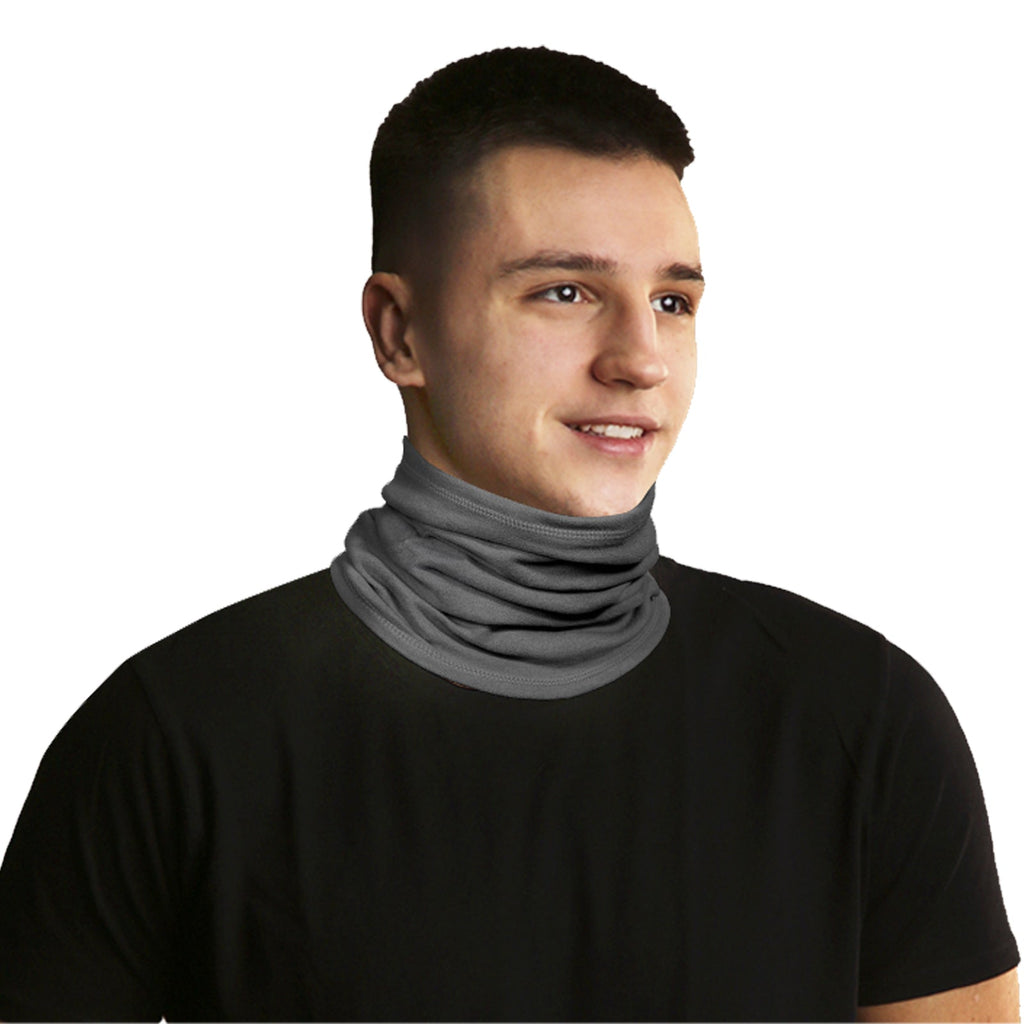
For moderate days, I use a simple fleece neck warmer. It stays around my neck like a turtleneck and easily tucks under a coat collar when I enter a building. My daily driver is the Finvizo winter neck warmer 4-pack. I keep one in my work bag, one in the car, one by the door, and one in the laundry rotation.
2. The Deep-Cold Setup (Below 25°F or high wind)
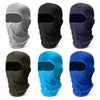
When the wind chill drops into the single digits, I switch to a balaclava. It covers the ears, neck, and cheeks in one piece, sealing perfectly under a jacket. The Finvizo winter balaclava ski mask is my go-to for early morning walks; it provides full coverage while remaining light enough to stuff into a coat pocket once I'm indoors. For those deciding between materials, our guide on wool vs. fleece balaclava offers a deeper look at the performance differences.
3. The Dark-Commute Setup
If your commute happens before sunrise or after dark, visibility is just as important as warmth. The Finvizo winter neck gaiter reflective 4-pack features high-visibility striping that catches headlights, providing extra peace of mind when crossing parking lots or walking along roads.
Common Mistakes I See Every Winter
- Using a Scarf as a Mask: While a scarf looks classic, it often loosens, leaves gaps at the sides, and soaks up moisture from your breath. For a better understanding of why, see our comparison of neck warmer vs. scarf.
- Overheating Indoors: The most common reason people stop using face gear is wearing it too long inside. Pull it down as soon as you step through a door to avoid getting clammy.
- Ignoring the Ears: Ears have very little insulation and are prone to frostnip. If your mask doesn't cover them, ensure you are wearing a beanie.
A Quick Word on Fit and Sizing
Fit matters more than most people expect. A gaiter that is too loose lets warm air escape through the top edge and funnels cold air up toward your chin; one that is too tight becomes uncomfortable after twenty minutes and makes you want to pull it down entirely. When I fit a new neck warmer, I look for three things: it should sit snugly against the sides of my neck without pressing on my throat, the top edge should reach just below my lower lip when pulled up, and it should stay in place when I turn my head to check traffic. If you are between sizes, size down for fleece— knit fabrics relax slightly after the first few washes. For balaclavas, check that the eye opening does not shift when you look left and right, because a drifting opening is what lets wind find your cheeks at speed.
Care and Hygiene for Daily Wear
Anything that sits against your mouth and nose collects moisture, skin oils, and debris. I wash my gear weekly on a standard cold cycle and air-dry it overnight. Fleece is highly efficient at drying, so it is usually ready by morning. If you wear makeup or sunscreen, consider a midweek wash, as product buildup can impede the fabric's breathability.
If your routine involves high-intensity activities like winter jogging, the requirements change. Check out our guide to winter running face and neck protection for options designed to manage sweat and airflow at a higher pace.
Frequently Asked Questions (FAQ)
What is the best face mask for cold weather commuting?
For temperatures between 25°F and 45°F, a fleece neck warmer is the best balance of warmth and convenience. Below 25°F, a balaclava that seals under your jacket is more effective.
Is a neck gaiter warm enough for winter?
A fleece-lined neck gaiter is suitable for typical daily activities like dog walking or commuting down to about 20°F when paired with a jacket.
How do I stop my glasses from fogging with a face mask?
Ensure the mask sits snugly across the bridge of your nose to force your breath downward. Tucking the top edge of the mask slightly under the frame of your glasses can also help.
Can I wear a face mask under a bike helmet in winter?
Yes, use a thin, stretchy balaclava or gaiter without bulky seams at the crown so that your helmet fit remains secure.
How often should I wash a winter face mask?
For daily use, wash your mask at least once a week. If you wear it during exercise, wash it more frequently to prevent the buildup of skin oils and moisture.
Related reading
- What Is a Balaclava? Uses, Fit & How to Wear
- Balaclava vs Ski Mask vs Neck Gaiter: Winter Face Cover Guide
- Best Ski Face Masks 2026: Warmth, Anti-Fog & Helmet Fit Guide

Vivian J is a Product Manager at Finvizo and an avid outdoor enthusiast. She tests gear on real trails and writes from hands-on field experience to help readers choose equipment that performs reliably outdoors.