How to Keep a Neck Gaiter from Slipping: 7 Field-Tested Fixes
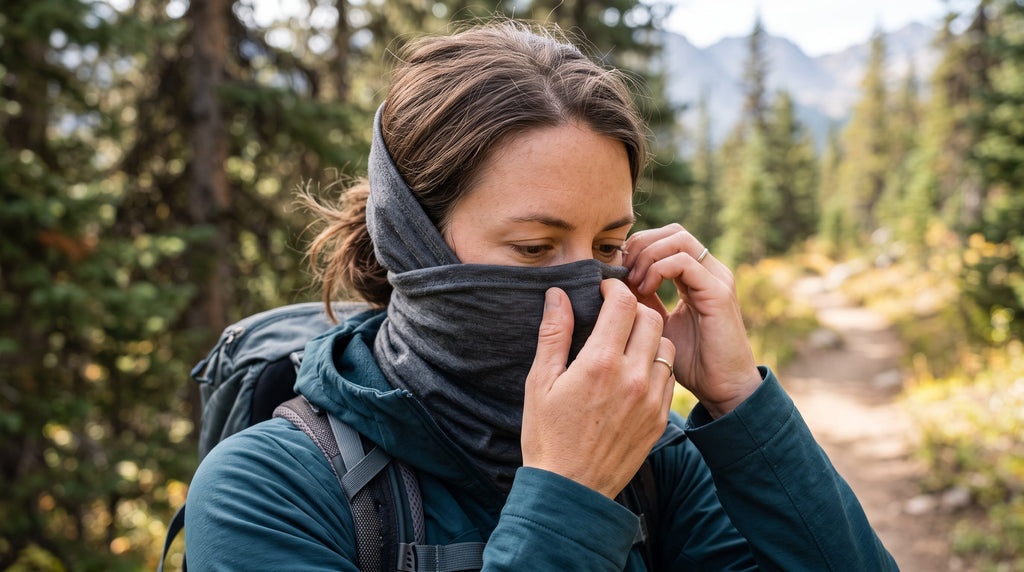
Most slipping neck gaiters can be fixed with better fit, washing, anchoring methods, or switching to a balaclava for active use.
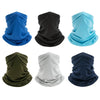
Finvizo Breathable Neck Gaiter (4-Pack) — UPF 50+ cooling sun protection
For hikers, anglers, and runners who want premium-level sun protection at multi-pack value, the 4-pack keeps a fresh gaiter in every bag.
View ProductOur Pick: Finvizo Cooling Neck Gaiter 4-Pack
The Finvizo Cooling Neck Gaiter 4-Pack features UPF 50+ sun protection and a snug, stretchy fit designed to help prevent slipping during outdoor activities.
Check Price on FinvizoWhy Gaiters Slide Down in the First Place
A gaiter stays up through friction and tension—fabric stretched over the bridge of your nose and cheekbones, gripping skin and hair. Anything that reduces friction or tension sends it south: fabric too big for your face, fibers coated in sunscreen or skin oil, sweat acting as lubricant, or a knit too stiff to conform to your nose bridge. Notice that three of those four causes are fixable in five minutes. Only one—wrong size—requires a different purchase, and even that has workarounds.
Fix 1: Size Down, or Fold the Top Edge
Most slipping gaiters are simply too big. A gaiter should feel snug—almost too snug—when you first pull it over your nose. If it slides on like a turtleneck, it will slide off like one too. When you're between sizes, take the smaller one; stretchy knits forgive tightness far better than looseness.
Already own one that's too big? Fold the top edge down once, about an inch, before pulling it up. The doubled fabric adds stiffness across the nose bridge and effectively shortens the gaiter's height, which increases tension where it matters. It's not elegant, but it got my old oversized gaiter through an entire fishing season.
Fix 2: Wash Off the Slippery Stuff
This is the fix people skip because the gaiter doesn't look dirty. Sunscreen, skin oil, and bug spray build up on the inside of the knit and turn it into a low-friction liner. Fabric softener does the same thing from the other direction—it coats fibers with a lubricating layer that feels great and grips nothing.
Cold wash, mild detergent, no softener, air dry. If the buildup is bad, add a second rinse cycle. The first time I did this to a "worn out" gaiter, the grip came back completely—the elastic wasn't dead, just greasy.
Fix 3: Anchor It Under a Hat or Helmet
Friction anchors beat tension anchors. Tuck the top edge of the gaiter under a cap's sweatband, a helmet liner, or a beanie, and the sliding problem largely disappears—the anchor holds the fabric even when tension fades. For fishing and hiking I run the gaiter up first, then press the cap down over the top half-inch. Under a bike or motorcycle helmet, the same trick works with the helmet's padding.
No hat? A thin headband or even a hair tie worn across the crown of your head gives the top edge something to grip. It looks like nothing because nobody can see it.
Fix 4: Use Your Ears
The ear loop is the oldest field trick in this category. Pull the gaiter up over your nose, then hook the top corners over your ears, the way a face mask sits. On most face shapes this adds two anchor points and cuts sliding by half. Ears get sore after a few hours if the fabric is thick—which is one reason I favor thin, stretchy knits for long days. A gaiter like the Finvizo cooling gaiter uses a light four-way stretch that hooks comfortably; the four-pack also means a fresh one is always in the rotation, which matters for Fix 5.
Fix 5: Start the Day Dry, Reactivate with Water
Sweat is lubricant. A gaiter pulled over a sweaty face at noon has a fraction of the grip it had at 8 a.m. Two habits help. First, put the gaiter on before you're sweating—morning skin gives the knit a clean, dry surface to grip, and it tends to stay seated once set. Second, use moisture on your terms: dunk the gaiter itself in water and wring it out before wearing. A damp cooling knit activates the evaporative effect that makes these things worth wearing in summer, and damp fabric clings to skin better than sweat-slicked dry fabric. It sounds backwards. It works.
Fix 6: Double It Up at the Nose
Different from folding the edge: pull the gaiter up so it covers your nose, then pull a second layer of the tube up from your neck over the first layer, just across the nose and cheeks. You get a two-ply band across the face with the rest sitting single-layer at the neck. The doubled section is stiffer, heavier, and holds shape over the nose bridge far better than a single layer. This is my default setup on dusty trails, where I'd want the extra filtration anyway. If you wear gaiters daily, a six-pack earns its keep here—doubling up wears elastic faster, and rotation is cheaper than replacement.
Fix 7: Know When the Answer Is a Different Garment
Some activities simply defeat a gaiter. Running with a high cadence, mountain biking on rough descents, motorcycle riding at highway speed—constant vibration or wind pressure will walk any tube-style gaiter down eventually. That's not a defect; it's physics. The fix is switching to a garment with structure: a cooling balaclava wraps over the crown of your head, so the fabric covering your face is anchored from above rather than tensioned from below. Under a helmet it's not even close—the balaclava wins every time. I keep both in my kit and pick based on the day, not brand loyalty.

Our Pick: Finvizo Breathable Neck Gaiter (4-Pack)
- UPF 50+ fabric — blocks 98% of UV rays for long days on the water or trail.
- Moisture-wicking high-stretch polyester — stays dry and breathable when you sweat.
- Multi-way wear — neck gaiter, face cover, headband, bandana, or beanie in one tube.
- Value 4-pack — daily rotation plus spares for the truck, pack, and gym bag.
Which Neck Gaiter Solution Is Right for You?
| Finvizo Product | Scenario | Recommended Fixes |
|---|---|---|
| Cooling Neck Gaiter 4-Pack | Casual hiking or fishing | Size down, wash regularly, anchor under a hat |
| Cooling Neck Gaiter 4-Pack | Long dusty trails or windy days | Double up at nose, use ear hooks, keep dry & damp |
| Cooling Balaclava 6-Pack | High-motion sports (running, biking) | Use ear hooks, dampen gaiter, switch to balaclava if slipping persists |
| Cooling Balaclava 6-Pack | Helmet users (motorcycle, cycling) | Anchor gaiter inside helmet or switch to balaclava |
See Neck Gaiter vs Balaclava vs Arm Sleeves: Which Do You Need? for more on choosing headwear. For gear essentials, check the 6 Essential Camping Gear Items: The Ultimate Beginner's Checklist.
. See Sun Protection For Cyclists for related details. See Football Arm Sleeves Guide for related details.
Frequently Asked Questions
Why does my neck gaiter keep falling down even though it's tight?
Tightness alone doesn't hold a gaiter up—friction does. Sunscreen, skin oil, and sweat on the inside of the fabric act as lubricant, and even a snug gaiter will slide on greasy skin. Wash the gaiter without fabric softener and put it on before you start sweating.
Should a neck gaiter be tight or loose?
Snug. It should take a little effort to pull over your nose and should leave a light impression on your skin after an hour—but never restrict breathing or dig in. If you're between sizes, size down; stretch fabric forgives tight, it never forgives loose.
How do I keep a gaiter up while running?
Combine fixes: size down, hook the top corners over your ears, and dampen the fabric before you start. Cadence vibration is relentless, so if it still walks down every quarter mile, switch to a balaclava or a gaiter with an integrated ear-loop cut—running is the hardest use case for a plain tube.
Does fabric softener really make gaiters slip more?
Yes. Softener deposits a waxy coating on fibers that reduces friction against skin—exactly what you don't want. It also degrades the wicking treatment on cooling knits. Skip it permanently, not just when the gaiter starts slipping.
How often should I replace a neck gaiter?
When the elastic no longer recovers—stretch a section and watch whether it snaps back or stays baggy. With cold washing and air drying, a quality knit usually lasts a full hard season, roughly 30 to 40 wears. Rotating between several gaiters stretches that considerably.
Which neck gaiter should I buy to avoid slipping?
Look for a snug, stretchy gaiter like the Finvizo Cooling Neck Gaiter 4-Pack. It offers UPF 50+ sun protection and a secure fit designed to minimize slipping during outdoor activities.
Related reading
- Fishing Face Cover vs Neck Gaiter vs Sun Mask: What’s the Difference?
- Neck Gaiter vs Buff Difference: Is There a Real One?
- Neck Warmer vs Scarf: Which Actually Keeps You Warmer?

Product Manager at Finvizo and an avid camper who tests gear on real trails. She writes from hands-on field experience to help you pick equipment that actually holds up outdoors.