Solo Female Camper Safety: Essential Gear & Tips
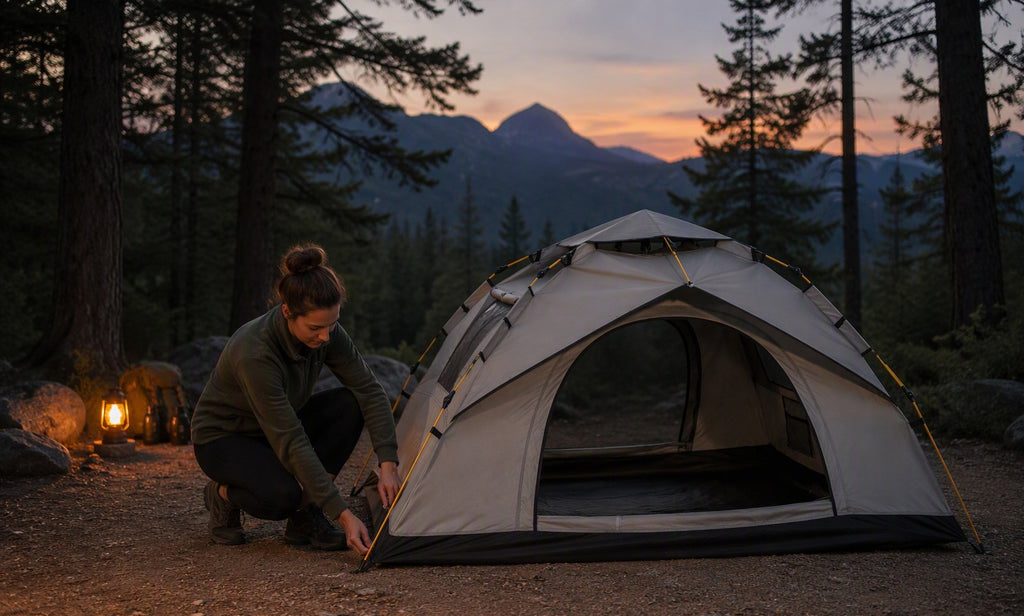
Solo female camper safety starts with established, well-lit campgrounds, a shared itinerary, and reliable, easy-to-use gear that reduces setup stress and increases security.
What is Solo Female Camper Safety?
Solo female camper safety is the practice of utilizing preparation, situational awareness, and reliable equipment to ensure a secure and confident outdoor experience while camping alone. It involves selecting appropriate sites, maintaining communication with others, and using gear that allows for independent setup and rest.
Why Solo Camping Is Great for Women
Solo camping is a rapidly growing movement that offers women unparalleled freedom and self-reliance. When you head out on your own, you gain complete control over your itinerary, from the campsite location to your daily schedule. This autonomy fosters a deep sense of confidence as you navigate challenges like setting up a tent or managing a campfire without assistance. Research consistently links time spent in nature to improved sleep and stress reduction, and mastering these skills independently provides a lasting boost to your self-confidence that extends far beyond the campsite.

Essential Solo Female Camper Safety Gear
Building a reliable safety kit starts with the Ten Essentials, adapted for your personal comfort and security needs. Here is the gear I recommend to ensure your first solo night is as comfortable as possible.
Solo Camping Safety Gear Checklist
| Category | Recommended Gear | Purpose |
|---|---|---|
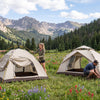
| Shelter | Finvizo 2-4 Person Pop Up Camping Tent | Fast, 60-second setup for security |
| Lighting | High-lumen headlamp and backup lantern | Visibility and emergency signaling |
| Personal Security | 130 dB personal safety alarm | Audible deterrent for emergencies |
| Sleep Comfort | 3D Contoured Sleep Eye Mask | 100% light blocking for better rest |
| Connectivity | Power bank (10,000+ mAh) | Keeping your phone charged for check-ins |
Data verified as of 2026-09-16. Sources include product specifications from Finvizo.
Comparing Camping Gear for Solo Safety
When selecting gear, focus on functionality and ease of use rather than size. A common mistake is choosing gear that is too large or complex for a single person to manage.
| Feature | Finvizo Pop-Up Tent | Traditional Family Tent |
|---|---|---|
| Setup Time | ~60 Seconds | 15–30 Minutes |
| Complexity | Low (Self-supporting) | High (Requires pole assembly) |
| Portability | Compact | Bulky |
| Solo Suitability | High | Low |
Data verified as of 2026-09-16. Limitations: Pop-up tents are ideal for recreational camping but may not be designed for extreme, high-altitude alpine expeditions.
How to Start Your Solo Camping Journey
Successfully transitioning to solo camping is a process of building skills and confidence through incremental steps.
Step 1: Start at Established Campgrounds
Choose a developed, public campground with a camp host for your first few trips. These sites offer the benefit of neighbors, basic amenities, and proximity to help if needed, which helps lower initial anxiety.
Step 2: Communicate Your Itinerary
Always share your specific plans with a trusted friend or family member. Include the campground name, your site number, and your expected return date. Agree on a check-in schedule to ensure someone knows you are safe.
Step 3: Master Your Gear Beforehand
Practice setting up your shelter at home. For example, the Finvizo 2-4 Person Pop Up Camping Tent is designed for a 60-second setup, but knowing exactly how it works prevents stress when arriving at your site in the late afternoon.

Common Concerns and Reality Checks
Many women worry about the unknowns of solo camping, but most concerns are easily managed with preparation.
Wildlife and Environment
"What was that noise?" is a common concern. Most night sounds are simply small animals or wind. Storing food properly in a vehicle or a bear locker ensures your campsite remains uninteresting to local wildlife.
Personal Safety
Serious incidents at developed campgrounds are statistically extremely rare. Many solo campers find that the drive to the destination is the most significant risk. Building a rapport with your neighbors through a friendly wave or greeting is a simple, effective way to create a supportive community atmosphere.

Reference Sources
- Finvizo Tent Collection
- Winter Camping Cold Weather Checklist
- Folding Wagon FAQ: Buyers Ask
- Rock Climbing Day Trip: Minimal Gear
FAQ
Is it safe for a woman to camp alone?
Yes, solo camping is safe when you prioritize preparation. By choosing established campgrounds, sharing your plans, and carrying essential safety gear like a reliable light source and a charged phone, you significantly reduce risks and increase your comfort level.
What is the most important piece of solo camper safety gear?
A reliable, easy-to-pitch shelter is paramount. Having a tent like the 2-Person Backpacking Tent that you can set up quickly ensures you have a secure, private space whenever you need it.
What should I do if I feel unsafe at night?
If you feel uneasy, turn on your lantern, keep your phone nearby, and contact the camp host or local authorities if necessary. Trusting your gut is essential—if a site feels wrong, you are always empowered to pack up and drive to a more populated or lit area.
How do I handle the anxiety of my first trip?
Start with a single night at a nearby, familiar campground. Using tools like the 3D Contoured Sleep Eye Mask can help you get better rest, making the experience much more enjoyable.
Related reading
- How to Fix a Broken Backpack Strap in the Field
- Camping Gear Setup & Takedown: A Step-by-Step Field Guide
- How to Clean a Camping Wagon After the Beach: Full Guide

Vivian J is a Product Manager at Finvizo and an avid outdoor enthusiast. She tests gear on real trails and writes from hands-on field experience to help readers choose equipment that performs reliably outdoors.