The Essential Camping Gear Cleaning Schedule: A Pro Guide
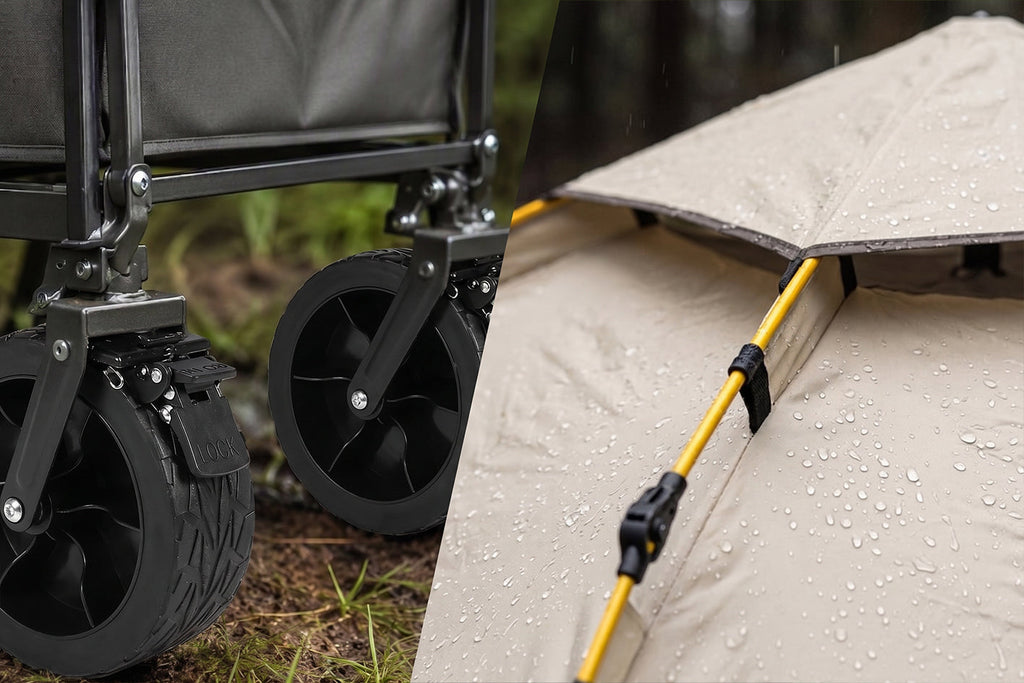
Clean food-contact gear after every trip and deep-clean fabric items every 3-5 outings. Finvizo supports 460 lbs of gear for your next beach trip.

Our Pick: Finvizo 460lb Big-Wheel Wagon
- Wagon Carts Foldable with Enlarged Wheels 460 LBS — $159.99 direct from the Finvizo official store
The Golden Rule for Post-Trip Maintenance
In my years of testing gear for Finvizo, I have learned that the most common mistake campers make is leaving gear compressed or damp after returning home. My rule is simple: unpack immediately. Whether I am returning from a weekend in the Cascades or a beach trip with the family, I never leave my equipment in the trunk. Moisture is the enemy of every piece of outdoor gear, from high-denier backpack fabrics to the steel frames of folding wagons. If you skip this step, you risk mold, mildew, and degraded water-resistant coatings that are expensive to replace.
After every outing, I perform a quick assessment. For items that touch food or skin, I prioritize a thorough wipe-down. This includes sleeping bags, cookware, and the interior liners of my wagons. If you neglect these items, food residue can attract pests, and sweat can break down the padding in your shoulder straps. By spending fifteen minutes clearing out debris and moisture, you ensure your gear is ready for the next adventure rather than needing a repair before you even leave the driveway.
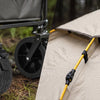
I always shake out sand and leaves, then use a soft brush around zippers and wheel assemblies. If you leave grit in your zippers, it acts like sandpaper, grinding down the teeth until they fail. I have seen perfectly good packs retired early simply because a zipper was jammed with trail dust. Taking the time to brush these areas keeps your hardware functioning smoothly for years.
Tents and Backpacks: The 3-5 Trip Baseline
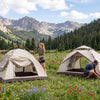
When it comes to tents and backpacks, I rely on a 3-5 trip frequency for deep cleaning. During my field tests, I have found that fabric coatings begin to lose their effectiveness if they are constantly covered in trail dust or dried mud. If you wait too long, that fine dust settles into the weave of the fabric, making it much harder to wash away later. I pitch my tent at home to inspect the seams and floor panels, which is the only way to catch small pinholes before they become leaks.
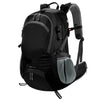
If you skip this interval, you are essentially letting abrasive dirt sit against your waterproof layers. Over time, this causes the coating to flake off. For my backpacks, I focus on the shoulder straps and back panels where sweat accumulates. If you ignore these areas, salt from your sweat can stiffen the mesh and cause premature wear. I always use lukewarm water and a mild cleaner, ensuring I rinse away all soap residue, as leftover detergent can actually attract more dirt on your next trip.
Remember that machine washing is rarely the answer. Unless the manufacturer explicitly states it is safe, agitation can destroy seam tape and damage the structural integrity of your gear. I always prefer hand-washing with a soft sponge to keep my equipment in prime condition. This careful approach has kept my favorite packs functional through dozens of rugged excursions.
Wagons and Hard Goods: Seasonal Care
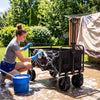
Hard goods like folding wagons require a different approach. While I do a quick check of the hinges and fasteners after every trip, a detailed deep clean is typically only necessary once or twice per season. I focus heavily on the wheel assemblies, especially after trips involving sand or mud. If you leave grit in the bearings, it will eventually seize up the mechanism. My Finvizo wagon, which handles up to 460 lbs, requires a simple wipe-down of the frame and a check of the fasteners to ensure nothing has vibrated loose during transit.
If you skip seasonal maintenance on your wagon, you risk rust and stiff hinges. I have seen many wagons become difficult to fold because owners ignored the buildup of grime in the joints. I clear away any grass, fishing line, or mud from the axles and ensure the frame is completely dry before folding it for storage. This prevents the metal parts from corroding while the wagon sits in the garage between trips.
When cleaning the fabric liner, I remove it from the frame whenever the model allows. This makes it easier to spot-clean spills and ensures that the metal frame stays free of trapped moisture. By keeping the frame and liner separate during the cleaning process, you ensure that no hidden pockets of water remain, which is essential for preventing rust on the steel components.
Handling Extreme Conditions: The Immediate Response
There are exceptions to every schedule, and extreme conditions demand an immediate response. If your trip involves heavy rain, high humidity, or deep mud, you cannot wait for your next scheduled cleaning. I once returned from a wet, sandy trip and neglected to unpack my gear for two days; the resulting mildew on my tent fly was a difficult lesson to learn. When gear is exposed to these elements, you must unpack and air-dry everything immediately upon returning home.
Sand is particularly damaging because it is abrasive. If you pack your gear away while it is still covered in sand, you are essentially storing it with a pile of grit that will rub against your fabric every time the gear is moved. I always brush off the bulk of the sand while it is dry. If the gear is wet and muddy, I let the mud dry completely before breaking it away with a soft brush. Never use a sharp scraper, as you will likely puncture the waterproof layers or damage the tent floor.
By reacting immediately to these conditions, you prevent the damage from setting in. Humidity is the silent killer of outdoor gear. If you store your items in a damp state, you are inviting mold to take hold. I always make sure my gear is completely dry before it goes back into the storage bag, even if that means leaving it spread out in the living room for an extra day.
Storage and Inspection: The Final Step
Proper storage is the final, often overlooked, step in the cleaning cycle. I store my gear in a cool, ventilated area away from direct sunlight. UV rays are incredibly destructive to synthetic fabrics, causing them to become brittle and lose their strength over time. I also avoid long-term compression. While it is tempting to keep everything packed in its stuff sack to save space, this can damage the insulation in sleeping bags and the structural integrity of tent poles. I prefer to keep my gear in a loose, breathable state.
Before I store anything, I perform a final inspection. I check for missing components, loose fasteners, or any damage that needs a repair. If I find a bent pole or a fraying seam, I record it immediately. This ensures that when I am ready for my next trip, I am not surprised by broken equipment. Keeping a small repair kit handy has saved many of my trips from being cut short due to preventable equipment failure.
By following this schedule, you protect your investment and ensure your gear performs when you need it most. Whether you are using a heavy-duty wagon or a lightweight pack, the effort you put into cleaning and storage directly correlates to the lifespan of your equipment. Treat your gear with respect, and it will serve you well for many seasons of exploration.
Which The Essential Camping Gear Cleaning Sche Is Right for You?
For hauling heavy gear over rough terrain: Finvizo 460lb Big-Wheel Wagon — The wagon supports 460 lbs and features enlarged wheels for varied terrain.
Not sure yet? Read our complete guide before you decide.
Frequently Asked Questions
Should I clean my camping gear after every single trip?
You should remove loose dirt and moisture after every trip to prevent damage. A full, deep cleaning is generally only necessary when the gear is visibly dirty, has absorbed odors, or was used in particularly wet, sandy, or muddy conditions that could compromise the fabric or moving parts.
Is it safe to put my camping gear in the washing machine?
Only if the manufacturer's care label explicitly permits it. Many tents, backpacks with structured frames, and items with specialized waterproof coatings can be damaged by the agitation of a washing machine. It is almost always safer to hand-wash or spot-clean your gear using lukewarm water and a mild cleaner.
How can I stop mold from growing on my camping equipment?
The best way to prevent mold is to unpack your gear immediately after returning home. Never store gear while it is damp or compressed. Clean away any organic residue like food or mud, and ensure every layer is completely air-dried in a ventilated area before placing it into long-term storage.
What is the best way to remove mud from my tent or wagon?
Always let thick mud dry completely before attempting to remove it. Once dry, gently break the mud away using a soft or medium-bristle brush. Avoid using sharp scrapers or aggressive scrubbing, as these can damage waterproof coatings and fabric seams. After the bulk is removed, spot-clean any remaining marks.
Where can I buy a durable folding wagon for my camping trips?
You can purchase the Folding Wagon Cart with Enlarged Wheels, which supports up to 460 lbs, directly through the official Finvizo online store. Our store provides the most reliable access to our full range of durable camping equipment and ensures you receive authentic, high-quality products for your outdoor adventures. Shop the Finvizo 460lb Big-Wheel Wagon →
Related reading
- Camping Gear Feature Comparison Guide
- Digital Nomad Outdoor Setup: Work from the Wilderness
- Camping Gear Setup & Takedown: A Step-by-Step Field Guide

Vivian J is a Product Manager at Finvizo and an avid outdoor enthusiast. She tests gear on real trails and writes from hands-on field experience to help readers choose equipment that performs reliably outdoors.