Spring Break Camping on a Budget: Student-Friendly Spots
TL;DR: Spring break camping is the budget hack: a full week can cost under $200, versus $800+ for a typical hotel trip — tent sites run $15-35 a night while hotels surge 30-50%. All you need is a fast-pitch tent, a 45L pack, a 30°F sleeping bag, and a few friends to split site fees. The spots below are student-budget friendly.
Spring Break Camping on a Budget: Student-Friendly Spots
Spring break camping budget student style is the smartest way to trade crowded beaches for open trails. A week of spring break camping budget student trips can cost under $200 total—compared to $800+ for a typical hotel getaway. You'll get fresh air, real adventure, and stories worth telling, all while keeping your bank account intact. Here's your complete guide to affordable spots, essential gear, and money-saving tricks.
Why Spring Break Is Perfect for Camping
March and April hit the sweet spot: campgrounds reopen, crowds stay thin, and daytime temperatures in the South and Southwest reach a comfortable 65–75°F. Hotels surge 30–50% during spring break, but a tent site typically costs just $15–$35 per night.
You also get flexibility. No check-in times, no reservations locked in months ahead at many first-come campgrounds—just you, your friends, and the open road.
Sharing a tent with friends cuts lodging to pocket change. Many campgrounds also offer group sites for $40–$60 that hold up to 10 people, dropping your nightly cost below the price of a fast-food meal.
Gear Checklist
You don't need a closet full of equipment. Focus on the essentials: shelter, sleep system, pack, and cooking basics.
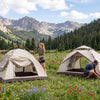
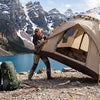
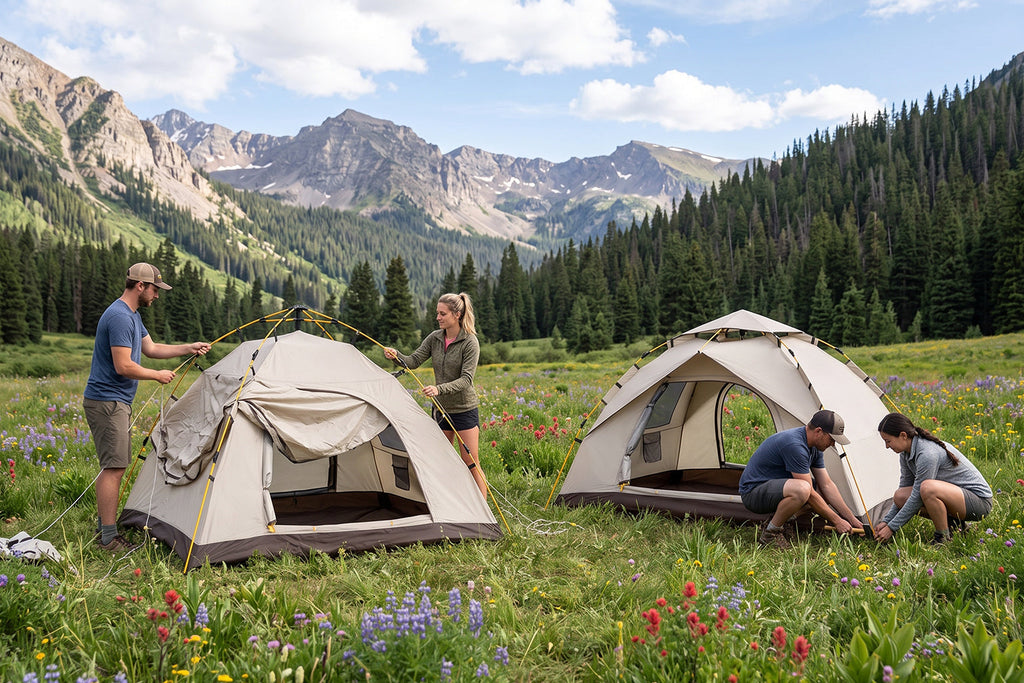
- Tent: The 2-4 Person Pop Up Tent sets up in under 60 seconds—perfect for beginners.
- Backpack: A 45L hiking backpack with airflow back panel carries a long weekend's gear comfortably.
- Sleep: A 30°F-rated sleeping bag ($40–$70) and an inflatable pad.
- Cooking: A $20 camp stove, one pot, and a reusable water bottle.
- Extras: Headlamp, first-aid kit, and a warm layer for 40°F nights.

Spring Camping Challenges
Spring weather swings fast. You might enjoy 70°F afternoons and wake to 38°F mornings, so pack layers you can add or shed. Rain is common in March—bring a rain fly, waterproof pack cover, and quick-dry clothing.
Popular parks fill up on weekends. Arrive Thursday instead of Friday, or target dispersed camping areas on national forest land, which are often free. If you're newer to cold nights, our Winter Camping Checklist covers layering basics that apply to chilly spring evenings too.

Top Destinations
Big Bend National Park, Texas: Desert sunsets and dark skies; backcountry permits around $12. Great Smoky Mountains, Tennessee/North Carolina: Free park entry with developed sites near $25/night. Ozark National Forest, Arkansas: Free dispersed camping along rivers and waterfalls.
Joshua Tree, California: Iconic boulders and $15–$25 sites—book early. Gulf Shores, Alabama: Beach camping from around $30/night, a budget twist on the classic spring break. Pair any of these with the 2-Person Backpacking Tent for lightweight mobility between spots.
Gift Ideas
Know a graduating senior or a friend planning their first trip? Practical gear beats gimmicks. A pop-up tent, a 45L pack, or a camp cookware set from the Finvizo Tent Collection makes a gift they'll actually use for years. Bundle small items—headlamp, camp mug, fire starter—into a $50 adventure kit.
Whichever spot you choose, reserve early where possible. Spring sites at national parks often open bookings six months out, and budget-friendly loops sell out first. Set a reminder, split the fee with friends, and lock in your dates before exams end.
Tips
Split costs: a four-person tent site divided four ways costs under $8 per person per night. Cook your own meals—groceries for four days run about $40–$60 versus $25+ per restaurant meal. Use student discounts on gear and check park fee-free days.
Borrow before you buy. Many universities have outdoor recreation programs renting tents and stoves for $5–$15 per weekend. And always leave no trace—free campsites stay free when campers respect them.
When you're ready to invest in your own kit, browse the Finvizo Backpack Collection for durable, student-priced packs that hold up semester after semester. A one-time $60 purchase beats renting four weekends a year—and it's yours for every future trip.

Finally, download offline maps before you leave campus. Cell service disappears quickly in forests and desert parks, and a downloaded trail map plus a shared check-in schedule keeps your group safe without costing a cent.
A few more tricks I've picked up: look for free or cheap dispersed camping on national forest land where it's allowed — no fees, just a little extra driving. Bring a student ID for park and gear discounts, plan one-pot meals so you skip both restaurants and a full camp-kitchen setup, and travel midweek if your schedule allows — the same site that's packed and pricier on Saturday often sits half-empty on a Tuesday. None of this is glamorous, but it's exactly how a four-day trip stays under $200. Start booking early, though — the cheapest sites always go first.
FAQ
How much does a spring break camping trip cost?
A four-day trip typically runs $150–$250 per person including campsite fees, food, and gas when splitting costs with friends—roughly one-third the price of a hotel-based spring break.
What size tent do students need for group camping?
A 2–4 person tent balances space and packability. Size up one level from your group count for comfort—a "4-person" tent sleeps three people plus gear comfortably.
Is spring break camping safe for beginners?
Yes, especially at developed campgrounds with rangers, restrooms, and marked sites. Share your itinerary, check forecasts, and start with a campground within two hours of home.
CTA: Start Your Spring Adventure
Your best spring break story won't come from a hotel pool—it'll come from a sunrise you earned. Grab a lightweight tent and 45L pack, rally your friends, and go. Shop the Finvizo Tent Collection and get trail-ready today.

Written by Vivian J
Product Manager at Finvizo and an avid camper who tests gear on real trails. She writes from hands-on field experience to help you pick equipment that actually holds up outdoors.