Mountain Biking Essentials: Tools, Protection & Hydration
The right mountain biking essentials can turn an epic day on singletrack into a safe one—and a mechanical into a quick fix instead of a long walk home. Whether you're planning your first trail ride or your fiftieth, the right tools, protection, and hydration keep you self-sufficient miles from the nearest road. Here's exactly what to pack and how to ride smarter.
What Is Mountain Biking?
Mountain biking means riding off pavement—on dirt singletrack, gravel climbs, rocky descents, and forest paths. The main disciplines are trail, cross-country (XC), enduro, and downhill, each with its own terrain and intensity.
A typical ride lasts two to four hours with 300–800 meters of climbing. Because you'll be far from help, you need to carry your own water, food, and repair gear. That self-sufficiency is exactly why mountain biking essentials matter so much.
Essential Mountain Biking Gear
Your mountain biking essentials fall into three categories: protection, carrying and tools, and hydration. Here's what you need in each.
Protection
Start with a MIPS helmet—head injuries account for roughly 60% of serious cycling injuries, so certified protection is non-negotiable. Add gloves for grip and crash protection, knee and elbow pads for technical terrain, and riding glasses to block dust and branches.
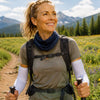
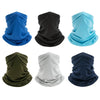
Under your helmet, a balaclava liner adds real value. Browse the Finvizo balaclava collection for summer ice-silk versions that wick sweat and block sun and insects, or winter fleece for cold rides. Not sure which style suits you? Read our guide on balaclava vs ski mask vs neck gaiter.
Carrying & Tools
Your trailside repair kit should include a multi-tool with 2.5–8mm hex keys and a chain breaker, a spare tube or patch kit, tire levers, a mini pump or CO2 inflator, and a few zip ties for improvised fixes.
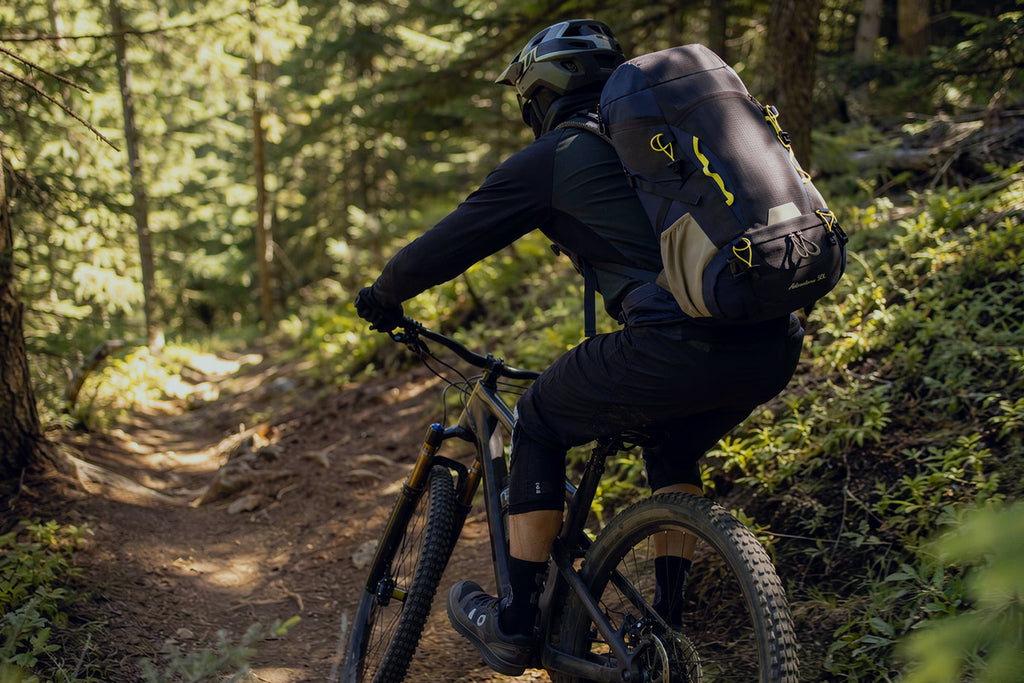
To carry it all, check the Finvizo backpacks collection. A 50L pack with multi-pocket organization and a ventilated back panel keeps your tools sorted and your back cooler on long climbs.
Hydration
Plan to drink 0.5–1L per hour—most riders average 0.5–0.75L. For a two- to four-hour ride, carry a 2–3L hydration reservoir. On rides over two hours, add electrolytes to replace the sodium you sweat out.

How to Pack Your Riding Pack
Packing mountain biking essentials correctly protects your balance. Heavy items go against your back and low in the bag to keep your center of gravity stable. High-frequency items—snacks, phone, multi-tool—belong in top or hip pockets. A full-day pack should weigh 4–6kg total.
Your 10-item checklist:
- MIPS helmet
- Multi-tool (2.5–8mm hex + chain breaker)
- Spare tube and patch kit
- Tire levers
- Mini pump or CO2 inflator
- 2–3L hydration reservoir
- Electrolyte mix
- Knee/elbow pads and gloves
- First-aid kit
- Balaclava and zip ties
The Finvizo 50L Ultralight Backpack fits everything on this list—check our backpack size guide if you're unsure about capacity, and cross-check with the REI mountain biking checklist.
Mountain Biking Tips for Riders
Gear alone isn't enough—these four habits make your mountain biking essentials work harder for you.
1. Check your brakes and tire pressure before every ride—a two-minute inspection prevents most mechanical surprises on the trail.
2. Look 10–15 meters ahead down the trail, not at your front wheel. Your bike follows your eyes, so spotting lines early keeps you smooth and safe.
3. Shift your weight forward on climbs to keep front-wheel traction, and move it back on descents so the rear tire grips and you stay off the brakes.
4. Tell someone your route and expected return time, and ride with a partner when you can—shared rides are safer rides.
Using Finvizo Products on the Trail
The gray-black 50L Backpack hides trail dust and mud, while its multiple pockets give you fast access to tools and bottles without stopping. The ventilated back panel reduces sweat buildup on long climbs—a real comfort win on summer enduro days.

Pair it with a balaclava for dust and sun protection that fits comfortably under your helmet. Want a deeper look? Read our Finvizo hiking backpack review. Prefer something lighter? The 45L hiking backpack is a streamlined alternative for shorter rides.
Mountain Biking Safety
Even the best mountain biking essentials can't replace safe habits. Fit your helmet so the front edge sits two finger-widths above your eyebrows, and replace it after any crash—foam protection is single-use. Warm up for 10 minutes before hard efforts to protect your muscles and joints.
Carry a first-aid kit and offline maps in case you lose signal, and skip muddy trails after rain to protect both yourself and the trail surface. For trail etiquette, follow the IMBA Rules of the Trail.
FAQ
How much water should I bring on a mountain bike ride?
Bring 2–3L for a typical two- to four-hour ride. You should drink 0.5–0.75L per hour, and add electrolytes on any ride longer than two hours to replace lost sodium.
What tools do I need for mountain biking?
At minimum: a multi-tool with 2.5–8mm hex keys and a chain breaker, a spare tube or patch kit, tire levers, and a mini pump or CO2 inflator. A handful of zip ties handles almost everything else.
Do I need a backpack for mountain biking?
For rides over an hour, yes. Mountain biking essentials like water, tools, and layers won't fit in jersey pockets alone. A ventilated, organized pack keeps the weight stable and everything accessible.
Gear Up and Hit the Trail

You've got the checklist—now gear up. Explore the Finvizo backpack collection for trail-ready packs and the balaclava collection for all-season headwear. Your next singletrack adventure starts with the right mountain biking essentials.
Related Guides:

Written by Vivian J
Product Manager at Finvizo and an avid camper who tests gear on real trails. She writes from hands-on field experience to help you pick equipment that actually holds up outdoors.