Introvert's Guide to Camping: Quiet Spots & Solo Gear
If you've searched for introvert camping quiet solo gear, you already know: you love the outdoors, but packed campgrounds feel like forced social events. This introvert camping quiet solo gear guide gives you two things: how to find quiet camping spots, and a minimalist checklist for your first solo trip.
Why Camping Is Great for Introverts
You recharge in nature because solitude restores what socializing drains. A 2019 study found that 120 minutes a week in nature significantly improves health and wellbeing. A quiet forest runs about 30–40 decibels; a busy campground loop can hit 55–65.
Unlike hotels, camping gives you controllable social exposure: you choose your distance from everyone. Add a digital detox and a peaceful campsite becomes your fastest reset button. Gear designed for quiet getaways helps — browse the Finvizo Tent Collection.
Essential Gear for the Introverted Solo Camper
Must-Have Gear
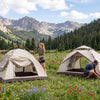
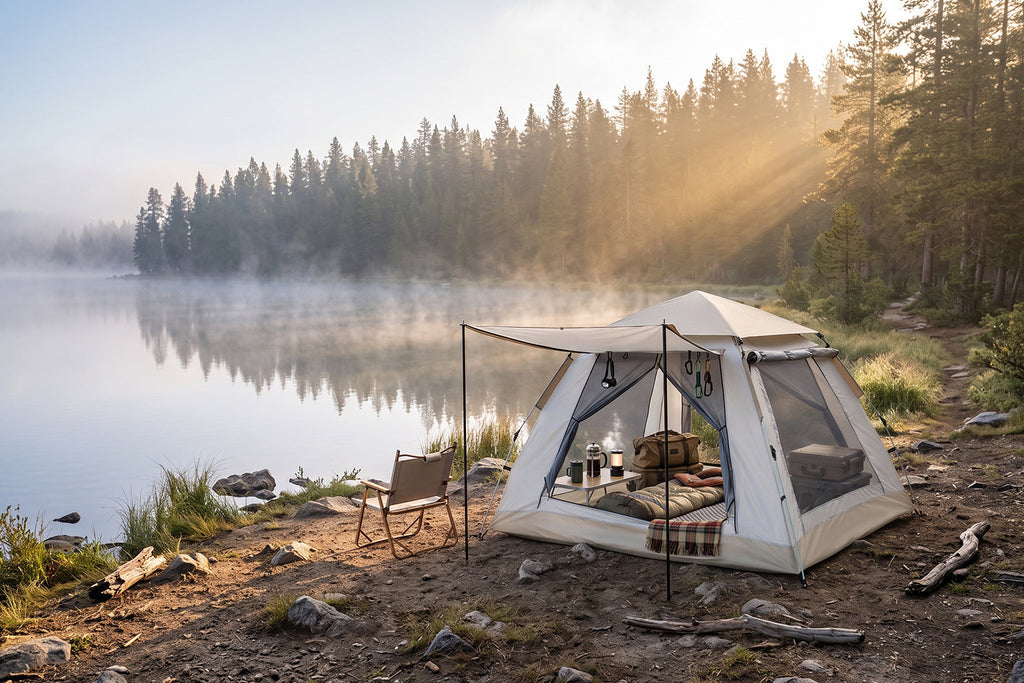
You want privacy fast — no 30-minute pole puzzle while neighbors watch. The Finvizo 2-Person Lightweight Tent pops open in about 60 seconds, weighs 5.5 lb, and packs to 29 × 6 inches. Its muted gray-green blends into the trees; the second berth is your private reading room.
Light ruins sleeping well outdoors: lanterns burn past 10 p.m. and summer sunrises hit before 5 a.m. The Finvizo 3D Sleep Mask uses contoured memory-foam cups that block 100% of light with zero eye pressure, and it weighs barely an ounce.

Add safety basics: a compact first-aid kit, a 200-lumen headlamp, a 10,000 mAh power bank, and offline maps.
Nice-to-Have Gear
Noise-canceling earbuds handle chatty neighbors; a compact camp chair creates a personal quiet corner; a Kindle fills slow evenings; a privacy tarp screens your peaceful campsite from view.
What to Skip
Leave group gear home: 6-person tents, 50-quart coolers, and multi-burner stoves are dead weight for one person. Skip speakers and generators — they attract attention. Solo camping rewards a light, fast kit.
Tips for Introverted Campers
Pick the Right Spot (and the Right Time)
Dispersed camping is your superpower: BLM and National Forest lands offer over 240 million acres of free, usually legal camping outside developed campgrounds. Outside Online's guide to free campsites nationwide is a solid starting map; walk-in and tent-only campgrounds are next best.
Go mid-week or in shoulder season, when nights dip into the 40s °F and crowds stay home. Study campground maps and reviews before booking, and pick sites at least 100 feet from restrooms, playgrounds, and RV loops.
Set Up Your Campsite for Maximum Privacy
Pitch your tent entrance away from roads and paths, and screen yourself with trees, boulders, or a tarp. Take the site furthest from neighbors, even with a longer walk to water. An instant pop-up tent lets you relocate in two minutes if a spot feels exposed — compare options in the Finvizo Tent Collection.

Manage Social Interactions Gracefully
A friendly nod plus headphones is the universal signal for "recharging, not rude." Keep one exit line ready — "I'm turning in early" works everywhere — and feel free to decline campfire invitations. For light connection, try ranger talks.
Stay Safe When You're Alone
Share your itinerary and check-in schedule with a trusted contact — a text by 8 p.m. nightly. Carry a satellite messenger, know first aid, and trust your gut: moving sites is always allowed. REI's guide to solo backpacking goes deeper.
Embrace Quiet Activities
Reading, journaling, photography, and slow sunrise coffee are luxuries crowds never get. Under dark skies you can see roughly 2,500 stars. Winter is the quietest season — our winter camping checklist gets you ready.
Common Concerns (and Honest Answers)
"Isn't camping alone lonely?"
Solitude isn't loneliness — it's chosen restoration. If camping alone for the first time feels big, start with one night within 60 miles of home. Your own company, plus a good book, is plenty.
"What if the campground is crowded and loud?"
You control three levers: timing (mid-week), site type (walk-in or dispersed), and your bubble. Foam earplugs cut chatter by about 30 decibels, and the Finvizo 3D Sleep Mask blacks out lanterns and 5 a.m. sunrises — your "turn off the campground" switch.

"Is it safe for a solo camper?"
Thousands of people camp alone safely every weekend. Preparation creates peace of mind: itinerary sharing, scheduled check-ins, emergency communications, first aid. Do those four and solo camping safety becomes routine.
"I'm a total beginner — can I really do this?"
Start with car camping at a small, tent-only campground, and practice pitching your tent at home first. An instant option like the 2-4 Person Pop Up Tent removes the steepest learning curve.
FAQ
Is camping good for introverts?
Yes. Solitude in nature recharges your social battery, and camping lets you control all social exposure — you choose your distance, schedule, and company.
How do I find quiet campsites?
Camp mid-week or in shoulder season, try dispersed camping on BLM or National Forest land, and choose walk-in or tent-only sites far from restrooms and RV loops.
Is it safe to go camping alone?
Yes, with preparation. Share your itinerary and check-in times with a trusted contact, carry a satellite messenger, pack a first-aid kit, and trust your gut.
What do I need for solo camping?
A minimal list: a quick-setup tent, a sleep system (pad, bag, blackout sleep mask), safety basics, and one comfort item. The Finvizo tent plus 3D Sleep Mask covers your solo-sleep core.
Your Quiet Escape Starts Here
The formula is simple: the right quiet spot plus minimal gear equals the recharge you need. The Finvizo 2-Person Lightweight Tent is your private basecamp in minutes; the Finvizo 3D Sleep Mask guarantees blackout sleep, even in a busy campground.
Browse the Finvizo Tent Collection to pick your shelter, or step up to the 2-Person Backpacking Tent when you're ready to hike further from crowds. Your peaceful campsite is waiting.
Related Guides:

Written by Vivian J
Product Manager at Finvizo and an avid camper who tests gear on real trails. She writes from hands-on field experience to help you pick equipment that actually holds up outdoors.