camping gear usage recommendations
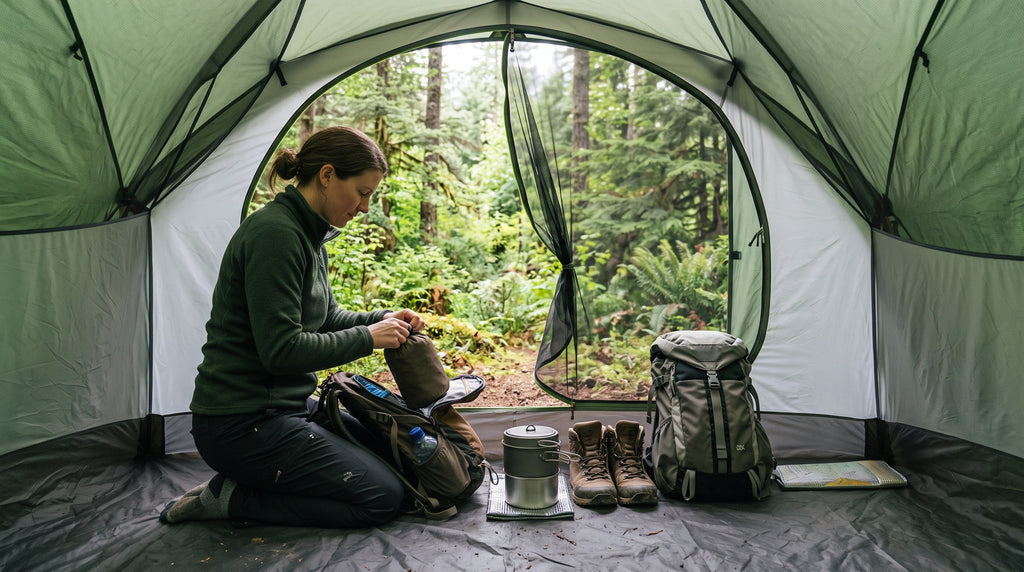
TL;DR: Good camping gear habits come down to five rules: pitch your tent away from dead branches and clear the ground first, cook at least 10 feet downwind of your shelter, store food 100 yards from where you sleep, let your hip belt carry 80% of pack weight, and never leave a fire until it's cold to the touch. Small, consistent habits add years to your gear and keep every trip uneventful in the best way.
Even seasoned campers often pick up small, unhelpful habits over years of trips that turn a simple weekend outing into a messy, uncomfortable experience that could have been easily avoided. The right usage habits for your camping gear do not require fancy upgrades — they just rely on small, intentional choices that make every trip smoother and extend the life of every piece of equipment you carry.
Set Up Your Shelter Right, Whatever the Site Throws at You
Never pitch your tent directly under dead overhanging tree branches, even if the spot looks flat and shaded. Falling branches after a wind gust or rainstorm can tear through fabric or create serious safety risks overnight — rangers call them "widowmakers" for a reason, and a healthy-looking limb can weigh 50 lbs or more when it lets go.
Clear every small stick, pine cone and sharp rock from the ground under your tent footprint before you lay down any layers. Even tiny hidden debris can poke a slow leak in your tent floor that leaves you waking up in a damp sleeping bag. A two-minute ground sweep protects a floor that's typically rated at just 1,500-3,000 mm of hydrostatic head — one puncture compromises the whole surface.
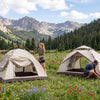
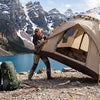
When you tension your guy lines, adjust them evenly around the whole shelter instead of pulling one side far tighter than the rest. Uneven tension concentrates stress on single stitch points; an evenly tensioned tent distributes wind load across 6-8 anchor points and survives gusts that would rip a lopsided pitch. On a properly guyed-out tent, a 25 mph gust feels like a shrug instead of a threat. If your current shelter doesn't guy out well, a pop-up camping tent with pre-attached lines removes most of the guesswork.
Use Your Camp Kitchen Safely and Efficiently
Set up your cooking station at least 10 feet (about 3 meters) downwind from your tent, your sleeping bags and any fabric gear you've laid out to dry. Stove flare-ups and grease pops travel farther than most people expect, and synthetic tent fabric melts before it burns — one ember lands and you have a hole in seconds.
Keep all food, leftover scraps and scented toiletries stored far away from your sleeping area. In bear country the standard rule is 100 yards (a football field) between your kitchen, your food storage, and your tent — the "bear-muda triangle." Even in raccoon-and-squirrel territory, 50 feet of separation means the midnight rustling happens away from your head. Lock everything up properly before bed, every single night.
Never leave a running stove unattended, and make sure it has fully cooled before packing it back into its storage bag. A canister stove head can stay above 200°F for 10 minutes after shutoff — hot enough to melt through a pack liner or scorch the synthetic fabric it touches. Do the back-of-hand hover test before it goes anywhere near your gear.
Care for Your Pack and Navigation Gear
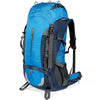
Adjust your backpack's shoulder straps and hip belt before you load all your gear inside. Done right, your hip belt carries about 80% of the pack's weight on your hips instead of pulling strain onto your shoulders and upper back — this one adjustment is the difference between finishing a trail day strong and finishing it sore. Loosen everything, load, then snug the hip belt first and shoulders second.
Keep your paper map and compass in a separate easy-to-reach outer pocket, and never rely only on your phone for navigation when you head out on a day hike away from camp. Phones die around 20-30% faster in cold weather, and one dropped pin in a no-signal drainage ends the navigation app as a plan. Paper doesn't have a battery.
Empty out food crumbs, dirt and stray debris from the bottom of your pack after every single trip. These tiny particles work like sandpaper against the inner lining over time, and crumbs attract pests when the pack sits in a garage or closet between adventures. A 30-second shake-out after each trip doubles the working life of the lining.
Leave Every Campsite Better Than You Found It
Before you leave, do a full walk-around to pick up any tiny bits of trash you might have missed — bottle caps, tent stake ties and food wrappers hide in grass remarkably well. Make sure your fire pit is completely cold to the touch before you walk away: drown it with water, stir the ashes, drown it again, then hold your hand just above the coals. If you feel any heat at all, it's not out. Embers can stay live enough to rekindle for 8+ hours under ash.
Do a quick gear count before you drive off, so you never leave a critical piece of equipment buried under pine needles or hidden in tall grass. The classic casualties are tent stakes, mallets, and the one guy line adjuster that makes next weekend's pitch work. These small, consistent habits will make every camping trip feel far more relaxed, and you will get years more reliable use out of every piece of gear you own — more ways to keep equipment in shape are in our camping gear maintenance guide.
FAQ
How far should my cooking area be from my tent? At least 10 feet (3 meters) downwind as a minimum for stove safety, and 100 yards away in bear country as part of the bear-muda triangle: kitchen, food storage, and sleeping area each 100 yards apart. Even without bears, greater distance keeps food odors and curious raccoons away from where you sleep.
How tight should tent guy lines be? Taut but not banjo-string tight, and — more importantly — even. The tent body should sit wrinkle-free with the rainfly not touching the inner tent. Adjust each line in turn around the shelter; if one corner of the fly lifts or sags, its line needs another quarter turn. Recheck after the first hour as fabric relaxes.
Is it really necessary to clear the ground before pitching a tent? Yes. Sticks and stones under the floor create puncture points that let ground moisture through on the first wet night, and tent floors are typically rated at only 1,500-3,000 mm hydrostatic head. A two-minute sweep with your boot is the cheapest gear insurance there is.
How do I know my campfire is actually out? Drown it with water (not just dirt), stir the ashes with a stick, drown it again, then hold the back of your hand just above the coals. If you feel any warmth, repeat. Embers insulated under ash can rekindle 8 or more hours later. Only walk away when everything is cold to the touch.
How should pack weight sit for a day hike? About 80% of the weight should ride on your hips via the hip belt, with shoulder straps stabilizing rather than carrying. Loosen all straps before loading, buckle the hip belt over your hip bones first, then snug the shoulders. If your shoulders ache after an hour, the belt is doing too little.