camping gear usage in cold weather
Cold weather camping brings quiet, crisp views and empty trails you will never find in peak season, but it demands careful, intentional use of every piece of your gear to stay safe and comfortable. Small missteps with how you set up, layer, and maintain your equipment can turn a refreshing winter trip into a long, miserable night that drains all the joy out of the experience.
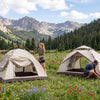
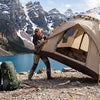
Before you even start setting up camp, pick a spot that works with the cold weather instead of against it. Avoid low-lying valleys and depressions, as these areas trap cold air overnight and can drop temperatures 5 to 10 degrees lower than nearby higher ground. Set your shelter up on a flat, slightly elevated patch that gets direct sunlight for the first few hours after sunrise, so the morning sun can help melt any frost that forms on your fabric overnight. Face the main opening of your shelter away from the direction of the prevailing cold wind, and use any natural wind blocks like thick evergreen trees or large boulders to cut down on the force of gusts that would otherwise pull heat away from your space. Clear all snow, ice, and frozen vegetation off the ground before you lay down your base layer, and add a thick bed of dry, insulating evergreen boughs underneath to create a buffer between you and the frozen ground. This simple step stops the cold from seeping up through the bottom of your shelter and robbing your body of heat while you rest.
The way you use your sleep system in cold conditions makes the biggest difference between a restful night and one spent shivering until sunrise. Never crawl into your sleep layer while you are wearing damp clothes from hiking or setting up camp, as trapped moisture will pull heat away from your body far faster than dry fabric. Strip off any slightly damp layers, change into completely dry clothes, and do a few minutes of light movement like stretching or pacing around your shelter to raise your body temperature a little before you settle in. Do not compress your sleeping insulation all the way down by piling extra heavy clothes on top of you, as squished insulation cannot trap the warm air that keeps you warm. Instead, tune extra dry clothing around your feet, along the gaps near the zipper, and in any small empty spaces inside your sleep setup to seal out cold drafts. If you wake up in the middle of the night feeling cold, do not just lay there and shiver. Sit up, do a few slow leg lifts or arm circles to generate a little body heat, and adjust your layers to close any gaps that might have opened up while you were sleeping. Keep a small, sealed container of water tucked inside your sleep system near your core, so it does not freeze solid overnight and leave you with no liquid to drink in the morning.
Using your outer layers and daily gear the right way keeps you from wasting energy and avoids common cold weather mistakes. Layer your clothes in loose, adjustable pieces instead of wearing one single thick, heavy outer layer. This lets you peel off one piece at a time when you start working hard to set up camp or chop firewood, so you do not sweat through your clothes and end up damp and cold later. Keep a spare set of completely dry socks, gloves, and a hat stored in a sealed, waterproof bag close to your body, not buried at the bottom of your backpack. If your current pair gets wet from snow or melting ice, you can swap into the dry ones in seconds to stop heat from escaping through your hands and feet. Never touch metal gear with bare skin when the temperature is well below freezing, as your skin can stick to the cold surface and tear easily, leading to painful frost nip. Use a pair of thick gloves as a barrier every time you need to adjust a metal stake, move a metal pot, or handle any other hard, cold piece of equipment. When you take a break from physical activity, put an extra insulating layer on right away, even if you do not feel cold yet. Your body will stop generating extra heat the second you slow down, and that small extra layer will keep your temperature steady before you start to shiver.
Small daily habits with your gear will keep it working reliably even when temperatures drop well below freezing. Shake off all loose snow and ice from your outer layers before you step inside your shelter, so it does not melt and leave puddles of water that will refreeze and turn your space damp. Let a tiny, controlled amount of fresh air flow through your shelter for a few minutes every hour, even on the coldest nights. Trapping all your warm, moist breath inside will create heavy condensation that freezes on the inner walls of your fabric, and that frost will drip down onto your sleep layers when the sun comes up. Keep all your gear that holds liquid stored close enough to your shelter that you can check on it regularly, so you do not wake up to find all your water completely frozen solid. If you are using fire for warmth or cooking, keep the fire small and controlled, and never leave it unattended while you step away for even a minute. These small, consistent choices will help you stay warm, dry, and safe, so you can fully enjoy the quiet beauty of a cold weather camping trip.