Camping Gear FAQ for First-Time Buyers: Where to Start
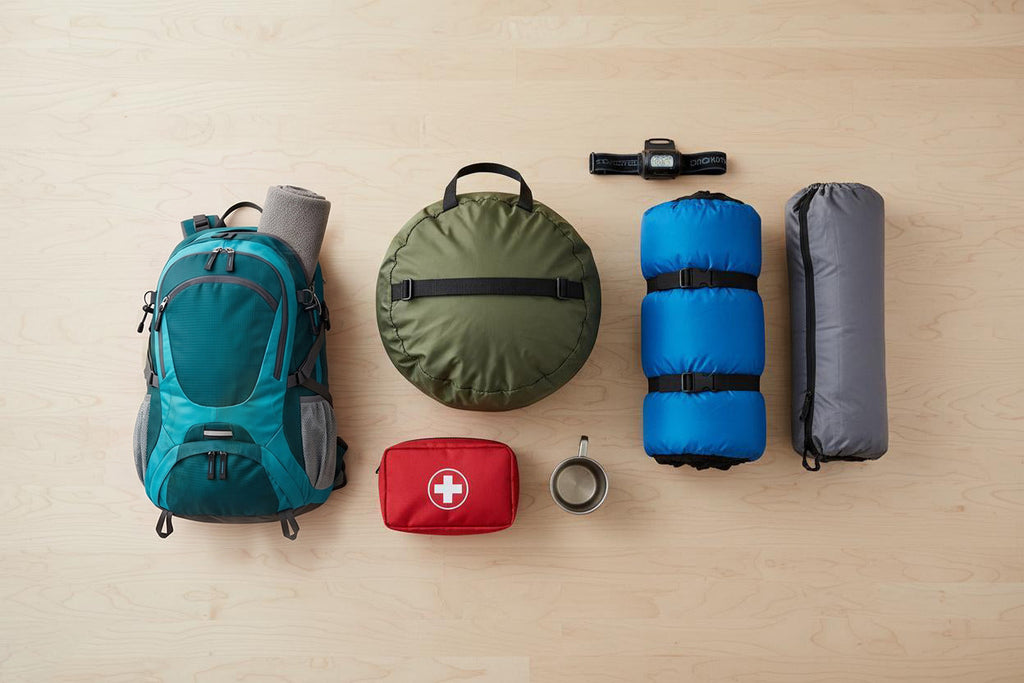
Start with the essentials: a quality tent, sleeping bag, pad, and light source. Focus your budget on items that ensure comfort and safety for your first trip.
Main answer
Buying camping gear for the first time raises more questions than you might expect. What do I actually need? How much should I spend? Which brands can I trust? This comprehensive FAQ answers the 15 most common questions first-time buyers ask, so you can make confident decisions about your outdoor setup.

Buying Questions
Q1: What camping gear do I need first?
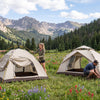
Start with the big four: tent, sleeping bag, sleeping pad, and a light source. Everything else can wait. A quality tent like the Finvizo 2/4 Person Instant Pop Up Camping Tent handles shelter, then add sleeping gear and a headlamp. Once you've camped a few times, you'll know what additional items fit your style.
Q2: How much should I budget for first-time camping gear?
Plan for $300-$500 for quality essentials that last 3-5 years. Budget options exist under $200, but you'll sacrifice durability and comfort. Premium gear can exceed $1,000, but that's unnecessary for weekend car camping. Focus your budget on the tent and sleeping bag—these two items determine your comfort more than anything else.
Q3: What size tent should I buy?
Manufacturers rate tents by the number of people who can fit shoulder-to-shoulder lying down. For comfortable camping, divide the rating by two. A "4-person tent" fits 2 adults with gear storage space. Solo campers should consider a 2-person tent for extra room. The 2-Person Lightweight Backpacking Tent is perfect for solo adventurers who want space without bulk.
Q4: Which brands are reliable for beginner camping gear?
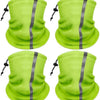
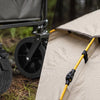
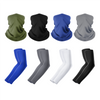
Established outdoor brands like Coleman, REI Co-op, Kelty, and Alps Mountaineering offer reliable entry-level gear. For specialized equipment, Finvizo focuses on innovative outdoor solutions like Instant pop-up camping tents, collapsible folding wagon carts, and cooling accessories for hot-weather camping. Check customer reviews on retailer sites for real-world durability feedback.
Q5: Should I buy a gear bundle or individual items?
Bundles save 15-20% compared to buying separately, but only if you need every item included. Many starter bundles include low-quality accessories you'll replace within a year. Buy your tent and sleeping bag separately to ensure quality, then consider bundles for accessories like cooking kits or chair sets.
Setup & Use Questions
Step 1: Prepare your site
Clear the ground of sharp rocks and sticks. Lay down a footprint or tarp to protect your tent floor from moisture and abrasion.
Step 2: Assemble the shelter
If using a standard tent, stake the corners first to create tension. If using a Finvizo 2/4 Person Instant Pop Up Camping Tent, simply remove it from the bag and allow the hydraulic frame to expand.
Step 3: Secure and organize
Stake out the rainfly to ensure proper airflow and prevent condensation buildup. Organize your sleeping area, keeping your 3D Contoured Sleep Eye Mask and headlamp within easy reach.

Essential Gear Specifications
Understanding the technical specs of your gear helps you choose the right equipment for your specific needs.
| Product | Capacity | Key Capability | Load Limit / Duration |
|---|---|---|---|
| Instant Pop Up Tent | 2–4 Person | Hydraulic Setup | 60 seconds |
| Instant Cabin Tent | 3–8 Person | Porch/Awning | ~2 minutes |
| 45L Airflow Backpack | 45L | Ventilated Frame | 44 lb |
| 50L Camping Backpack | 50L | Rain Cover | 38 lb |
| Collapsible Wagon | N/A | Heavy Duty | 600 lb |
Data verified on 2026-09-16. Source: Finvizo official product pages.
Comparison: Tent Setup Styles
Choosing between manual and instant-setup tents depends on your experience level and time constraints.
| Feature | Instant Pop-Up Tent | Traditional Pole Tent |
|---|---|---|
| Setup Time | ~60 seconds | 10–20 minutes |
| Complexity | Low (Integrated) | Moderate (Requires practice) |
| Durability | High (Recreational) | High (Varies by material) |
| Portability | Compact | Varies (Requires pole bag) |
Data verified on 2026-09-16. Source: Finvizo official product pages.
Q7: How do I keep food safe from animals?
Store all food, trash, and scented items in your car or a bear-proof locker (available at many campgrounds). Never leave food in your tent. For backcountry camping, use bear canisters or hang food bags 10 feet high and 4 feet from tree trunks.
Q8: What's the most comfortable sleeping setup?
An inflatable sleeping pad rated R-3 or higher provides the best balance of comfort and insulation. Add a camping pillow or stuff a jacket into a pillowcase. Sleeping bag liners add 5-10 degrees of warmth and keep your bag cleaner.
Q9: How do I start a campfire safely?
Check local fire restrictions first—many areas ban fires during dry seasons. Use designated fire rings only. Keep water nearby. Start with tinder (dry leaves or commercial fire starters), add kindling (small sticks), then gradually add larger logs. Never leave a fire unattended.
Q10: What do I do if gear breaks in the field?
Carry a basic repair kit with duct tape, paracord, a multi-tool, and tent pole repair sleeves. Duct tape fixes 90% of field problems—tears in tent fabric, broken pack straps, cracked water bottles. For serious failures, a backup plan (like knowing the nearest store) provides peace of mind.
Care & Maintenance Questions

Q11: How do I clean a tent after camping?
Shake out dirt and debris. Set up the tent at home and wipe down with a damp cloth and mild soap. Never machine wash or dry clean—agitators destroy waterproof coatings. Let it air dry completely before storage to prevent mildew.
Q12: How should I store camping gear at home?
Store tents and sleeping bags loosely in breathable cotton bags, not compressed in stuff sacks. Long-term compression damages insulation and waterproof coatings. Keep gear in a cool, dry place away from direct sunlight. A folding wagon cart doubles as gear storage transport between your storage area and vehicle.
Q13: How often should I replace camping gear?
Quality tents last 5-10 years with proper care. Sleeping bags maintain performance for 10-15 years if stored uncompressed. Replace gear when you notice significant wear: leaking tent seams, flattened sleeping pads, or broken zippers that can't be repaired.
Troubleshooting
Q14: My tent leaks—what should I do?
Most "leaks" are actually condensation from breathing inside a sealed tent. Ensure your tent's ventilation panels are open. If water enters through seams, apply seam sealer to the exterior. For fabric saturation, reapply waterproofing spray annually.
Q15: My sleeping bag isn't warm enough—why?
Temperature ratings assume you're wearing base layers on an insulated pad. If you're cold, add a sleeping bag liner (adds 5-10°F), wear dry socks and a hat to bed, and make sure your pad has adequate R-value. Eating a small snack before bed also helps your body generate heat.
Still Have Questions?
Choosing your first camping gear doesn't have to be stressful. Start with the essentials, buy quality where it matters most (tent and sleeping bag), and build your collection over time based on what you actually use.
Browse the complete Finvizo collection for tents, wagon carts, backpacks, and accessories designed to make your camping experience smoother from day one.
Related reading
- Camping gear usage in cold weather
- Outdoor gear women fit
- Finvizo Tent Collection
- Finvizo Backpack Collection
FAQ
How do I choose between a 2-person and 4-person tent?
A 2-person tent is ideal for solo campers who want space, while a 4-person tent is better for two adults who need room for gear or a more comfortable sleeping arrangement.
Are instant pop-up tents durable?
Finvizo instant pop-up tents are designed for recreational use, featuring waterproof materials and hydraulic systems for quick, 60-second setup, making them perfect for casual camping.
What is the best way to transport heavy camping gear?
Using a heavy-duty collapsible wagon, such as the 600 lb capacity models, is the most efficient way to move gear from your vehicle to the campsite.

Product Manager at Finvizo and an avid camper who tests gear on real trails. She writes from hands-on field experience to help you pick equipment that actually holds up outdoors.