Camping Gear Safe Handling Tips: Lift, Load & Cook Without Injury
TL;DR: Most camping gear injuries come from four moments: lifting with your back instead of your legs, yanking poles and stakes out of sleeves, swinging tools inside someone's reach, and cooking within 3 feet of a tent wall. Keep individual loads under 50 lbs, slide — never pull — pole segments, call out every hammer swing, and give stoves a 3-foot clearance from fabric. These rules prevent nearly every avoidable injury and gear break.
I've run gear demos at trade shows for years, and the fastest way to spot a new camper isn't their tent — it's how they pick up a loaded cooler. Safe handling isn't about being cautious; it's about a handful of mechanical habits that protect your body and your equipment at the same time. Here are the ones that matter, with the numbers behind them.
Lifting and Carrying Heavy or Awkward Items
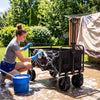
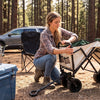
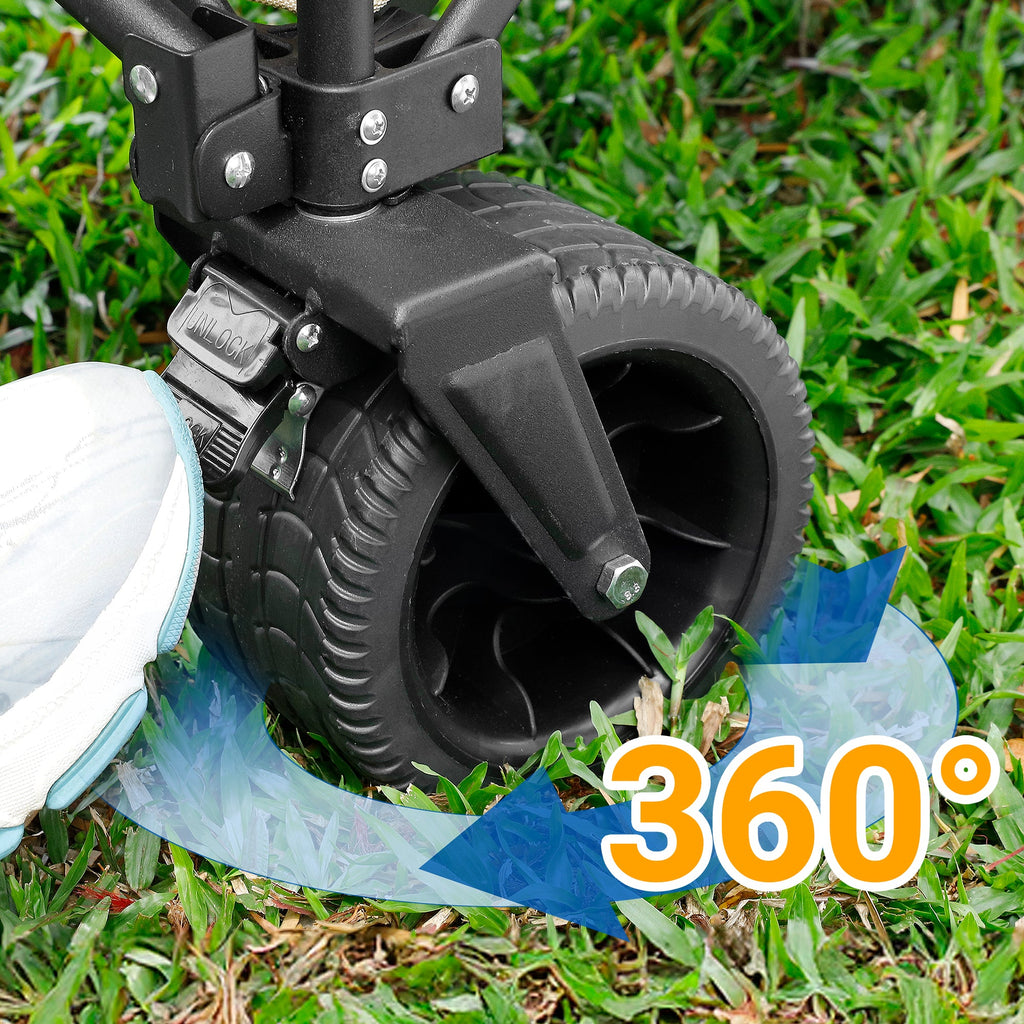
Use your legs, and respect the 50 lb line. Ergonomics research consistently puts 50 lbs as the practical single-person lifting limit for occasional lifts — and less for awkward shapes like coolers. Bend at the knees, keep the load tight to your torso, and never twist while holding weight. For anything heavier, split the load or use wheels: this is exactly the gap a folding wagon cart fills — a 600 lb-rated wagon turns a four-trip cooler-and-tent haul into one pull.
Carry long items horizontally at waist level. Rolled pads, pole bags, and camp chairs over your shoulder swing with every step — into branches, car paint, and other people's faces. Horizontal at the waist keeps both ends in your field of vision.
In the vehicle, everything is a projectile. At a 30 mph sudden stop, an unsecured 20 lb cooler hits with the force of a falling motorcycle. Heavy items go low and centered, strapped or netted, with the driver's sightlines clear. Loose gear in the cargo area is the most common handling hazard on the whole trip — and the easiest to fix.
Unpacking and Preparing Gear at the Campsite
Pick a clear, flat staging area. Free of sharp rocks, sticks, and anthills. Lay a tarp first — it keeps gear clean and makes small parts visible. Five minutes of staging saves the stake you would have lost in the grass.
Slide poles and stakes out — never yank. Shock-corded pole segments snap or bend when they're ripped from a sleeve sideways. Slide them out along their axis and let the cord do the assembly. Same logic for stakes: pull them straight with a stake puller or another stake as a lever, not at an angle with your boot.
Listen for the click. Folding chairs, tables, and cots fail when a locking joint is 90% closed. Apply weight only after every lock audibly seats. And keep knife sheaths on and axe heads covered whenever the tool isn't actively cutting — most camp cuts happen between uses, not during them.
Safe Use and In-Camp Handling
Call your strike zone. Before swinging a mallet or hatchet, make sure nobody stands within your full swing arc — about a 6-foot circle for an adult with a hammer. Say it out loud. Kids drift toward action without thinking.
Stoves get 3 feet from anything fabric. Tent walls, rain flies, and dry grass ignite faster than intuition says — polyester fly fabric can catch from a flare-up in under two seconds. Cook on a level surface, 3+ feet from tents and overhanging branches, out of foot traffic, and never leave a lit stove unattended. Store fuel canisters upright, below 120°F — a closed car in summer sun crosses that line, so canisters ride in the cabin shade, not the trunk.
Guy lines are the top trip hazard. After dark they're invisible. Use a headlamp (hands free), and mark lines with reflective tape or a strip of bright fabric — a $2 fix for the most common campsite fall. Our tent collection models ship with reflective guy line points for exactly this reason.
Breaking Down and Repacking Without Damage
Dry before you pack. Gear packed damp grows mildew within 48 hours and coatings delaminate within a season. If you must pack wet, treat it as a loan: unpack and dry everything within 24 hours of getting home. More on the full routine in our guide to camping gear usage recommendations.
Reverse-order teardown, nothing forced. Dismantle in the opposite order of setup. If a joint resists, stop — forced parts bend, and bent parts never quite lock again. Fold tent fabric loosely along different lines each trip; tight identical rolls crease waterproof coatings at the same spots until they crack.
The final sweep. Coil cords without kinks, oil and sheath sharp tools, then walk the site once slowly. The sweep isn't just Leave No Trace manners — it's how you notice the missing tent stake now instead of at next week's campsite.
FAQ
How much weight is safe for one person to carry while camping? For occasional lifting, 50 lbs is the widely used single-person limit — less for awkward shapes like coolers. Anything heavier should be split into smaller loads, shared between two people, or rolled on a wagon. When backpacking, keep total pack weight near 20% of your body weight.
How far should a camp stove be from a tent? At least 3 feet from any wall, fly, or overhanging branch — more in wind. Polyester tent fabric can ignite from a single flare-up in under two seconds. Cook on level ground outside the tent footprint, and never cook inside a tent or vestibule, where carbon monoxide builds up invisibly.
Why do my tent poles keep bending? Almost always from yanking segments out of the sleeve at an angle, or forcing a joint during setup. Slide poles in and out along their axis and let the shock cord seat the joints. A pole that needs force is a pole that's misaligned — back up and re-seat it.
Is it OK to pack a tent away wet? Only as a loan against time. Damp fabric grows mildew within about 48 hours and repeated wet packing delaminates waterproof coatings within a season. If weather forces a wet pack, unpack and air-dry everything within 24 hours at home.
What's the most common campsite injury from gear handling? Cuts from unsheathed knives and axes between uses, followed by trips over guy lines at night and back strain from lifting coolers. All three are prevented by habits, not equipment: sheath tools the second you set them down, mark guy lines, and lift with your legs.

Written by Vivian J
Product Manager at Finvizo and an avid camper who tests gear on real trails. She writes from hands-on field experience to help you pick equipment that actually holds up outdoors.