Appalachian Trail Section Hiking: Gear for Beginners
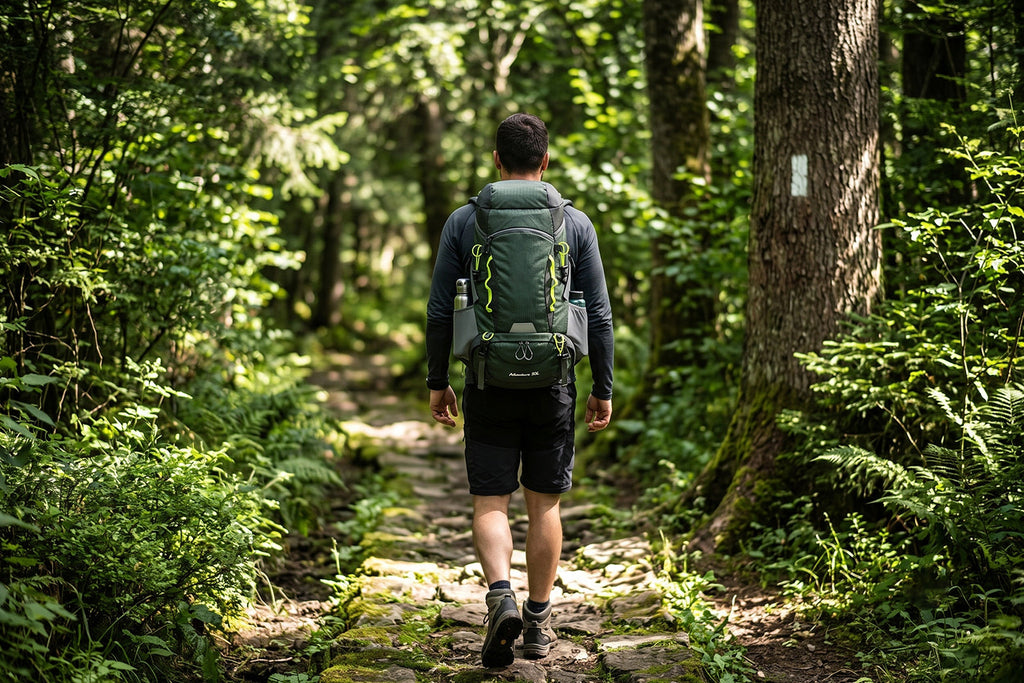
Building your first appalachian trail section hiking gear list doesn't have to feel like solving a puzzle. Whether you dream of a 30-mile weekend in Virginia or a 100-mile push through the Smokies, the right appalachian trail section hiking gear keeps you safe, dry, and smiling. This guide gives you real numbers, beginner-friendly sections, and a checklist you can screenshot tonight.
Why the Appalachian Trail Is Perfect for Section Hiking
The Appalachian Trail runs 2,197.9 miles across 14 states, and nearly 17 million people visit it each year. A full thru-hike takes about six months — but you don't need six months. Section hiking lets you bite off 20 to 100 miles at a time, fitting the trail into vacations and long weekends.
You also get infrastructure most long trails can't match. More than 260 backcountry shelters line the route, trail towns appear every few days, and the famous 2-by-6-inch white blazes keep you on course. For beginners, that safety net is priceless.
Appalachian Climate Challenge: What Your Gear Must Survive
Hikers call the AT "the green tunnel" for a reason. Summer humidity regularly hits 70–90%, and afternoon thunderstorms can soak you in minutes. Climbing the entire trail equals summiting Mount Everest 16 times — your legs and your gear will both feel it.
Elevation swings surprise most beginners. In the Smokies, ridges top 6,000 feet, and temperatures drop roughly 3–5°F for every 1,000 feet you climb. A 75°F valley afternoon can become a 40°F ridge night, even in June. Pack layers and rain protection every single trip.
Essential Gear for Appalachian Trail Section Hiking
The Big Three: Pack, Shelter, Sleep
Your backpack, shelter, and sleep system decide your comfort. Aim for a total pack weight under 30 pounds. A 50L pack hits the sweet spot for 3-to-7-day sections — big enough for food and layers, small enough to stop you from overpacking.

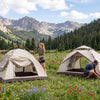
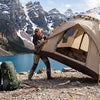
The Finvizo 50L Ultralight Backpack pairs a ventilated back panel with multi-pocket organization, so sweaty climbs feel cooler. Add the 2-Person Backpacking Tent for a freestanding shelter that pitches in minutes on rocky AT tent pads. Browse the full Finvizo Backpack Collection to compare sizes.
Rain, Mud, and Humidity Protection
AT veterans say it plainly: "No rain, no pain, no Maine." Pack a rain jacket, pack liner, and quick-dry clothing. Skip cotton entirely — it holds moisture, chills you fast, and takes forever to dry in humid air.
Camp Comfort and Cooking
Keep it simple: a small canister stove, one pot, a headlamp, and a water filter. You'll burn up to 6,000 calories on big-mile days, so pack calorie-dense food — think tortillas, peanut butter, and trail mix over fresh produce.
5 Best Appalachian Trail Sections for Beginners
1. Shenandoah National Park, VA (~101 miles). Well-graded trail with Skyline Drive crossings every few miles — easy bail-out points and legendary wayside restaurants.
2. Maryland, Full State (~40 miles). The ATC ranks Maryland among the easiest states on the trail. Rolling ridges, historic Civil War sites, and frequent road access.
3. Delaware Water Gap, PA/NJ (~27 miles). Short, scenic, and close to East Coast cities. Ideal for a first overnight shakedown trip.
4. Roan Highlands, TN/NC (~14 miles). Grassy balds with 360-degree views. Do it in June when the rhododendrons bloom.
5. Springer Mountain to Neels Gap, GA (~31 miles). The classic AT start. Challenging climbs, but unbeatable trail magic and community energy.

Local Tips From the Trail
Book shuttle drivers a day ahead — cell service vanishes on ridgelines. Shelters are first-come, first-served, so carry your tent as backup. Use bear cables or boxes where provided, and filter every water source, no matter how clear it looks.
Planning a shoulder-season trip? Cold snaps hit hard above 4,000 feet. Our Winter Camping Cold Weather Checklist shows you exactly how to layer when temperatures drop. For general trip prep, REI's beginner backpacking guide and the Appalachian Trail Conservancy are gold-standard resources.
Your Appalachian Trail Packing Checklist

Screenshot this appalachian trail packing list before you go:
- 50L backpack + rain cover or pack liner
- Lightweight 2-person tent with stakes and footprint
- Sleeping bag (20–30°F rating) + insulated pad
- Base layer, fleece, puffy, rain jacket (no cotton)
- Water filter + two 1L bottles
- Canister stove, pot, lighter, food bag + hang cord
- Headlamp, first-aid kit, map or offline GPS
- Trekking poles (your knees will thank you on descents)
FAQ
How many miles a day should a beginner hike on the AT?
Start with 8–12 miles per day. AT terrain is rooty and steep, so your usual day-hike pace won't apply. Add mileage only after your first shakedown trip.
Do you need a tent on the Appalachian Trail?
Yes. Shelters fill up fast near towns and on weekends, and they concentrate mice and mosquitos. A lightweight tent guarantees you a dry, private spot every night.
What size backpack do you need for a section hike?
For 3-to-7-day sections, 45–55 liters works for most beginners. A 50L pack forces smart choices while holding a week of food, layers, and shelter.
When is the best time to section hike the AT?
Mid-April through June and September through mid-October offer the best mix of daylight, temperatures, and open facilities. Avoid the Smokies in early spring — ice storms linger high up.
Gear Up for Your First Section
You now have the route ideas, the numbers, and the checklist. The only thing left is gear you can trust. Grab the Finvizo 50L Ultralight Backpack and a lightweight backpacking tent, and your first white blaze is closer than you think.
Related Guides:

Written by Vivian J
Product Manager at Finvizo and an avid camper who tests gear on real trails. She writes from hands-on field experience to help you pick equipment that actually holds up outdoors.