Best Neck Gaiter for Fishing: UV Protection on the Water
A fishing neck gaiter with UPF 50+ protection, moisture-wicking fabric, and breathable design offers essential sun defense and comfort on the water.
Why Standard Sunscreen Fails Anglers
Sunscreen works, but it has limits on the water. Sweat washes it off. Reapplication is messy when your hands smell like bait. Most importantly, sunscreen doesn't protect the underside of your chin, your ears, or the back of your neck—areas that get hammered by reflected light bouncing off the surface.
I used to rely on SPF 50 cream and a baseball cap. The result was a protected forehead, a burned nose tip, and a neck that peeled for a week. A UPF-rated neck gaiter solves all of this in one piece of fabric that never needs reapplying.
What Makes a Great Fishing Gaiter
Not every neck gaiter is built for fishing. Here's what I look for after three seasons of testing:
UPF 50+ rating: This blocks 98% of UV rays. Anything less and you're gambling with cumulative sun damage. For a full breakdown of what those numbers mean, our UPF 50 rating guide explains the testing standards in plain English.
Moisture-wicking fabric: Polyester blends pull sweat away from your skin and dry fast. Cotton gets wet, stays wet, and chafes. On a humid August morning in Florida, the difference between wicking polyester and cotton is the difference between comfort and misery.
Breathability: You need to breathe through it when the bugs come out or the wind dies. Thin, tightly woven fabrics offer UV protection without turning your face into a sauna.
Length and coverage: A longer gaiter (18+ inches unstretched) tucks into your shirt and protects your upper chest. Shorter ones leave a gap where reflected UV hits your collarbone.
Color matters: Darker colors absorb more heat. Light colors like white, tan, or light blue reflect heat and keep you cooler. I own both and reach for the light ones on 90°F days.
My Top Pick: Finvizo Cooling Neck Gaiter Multi-Pack
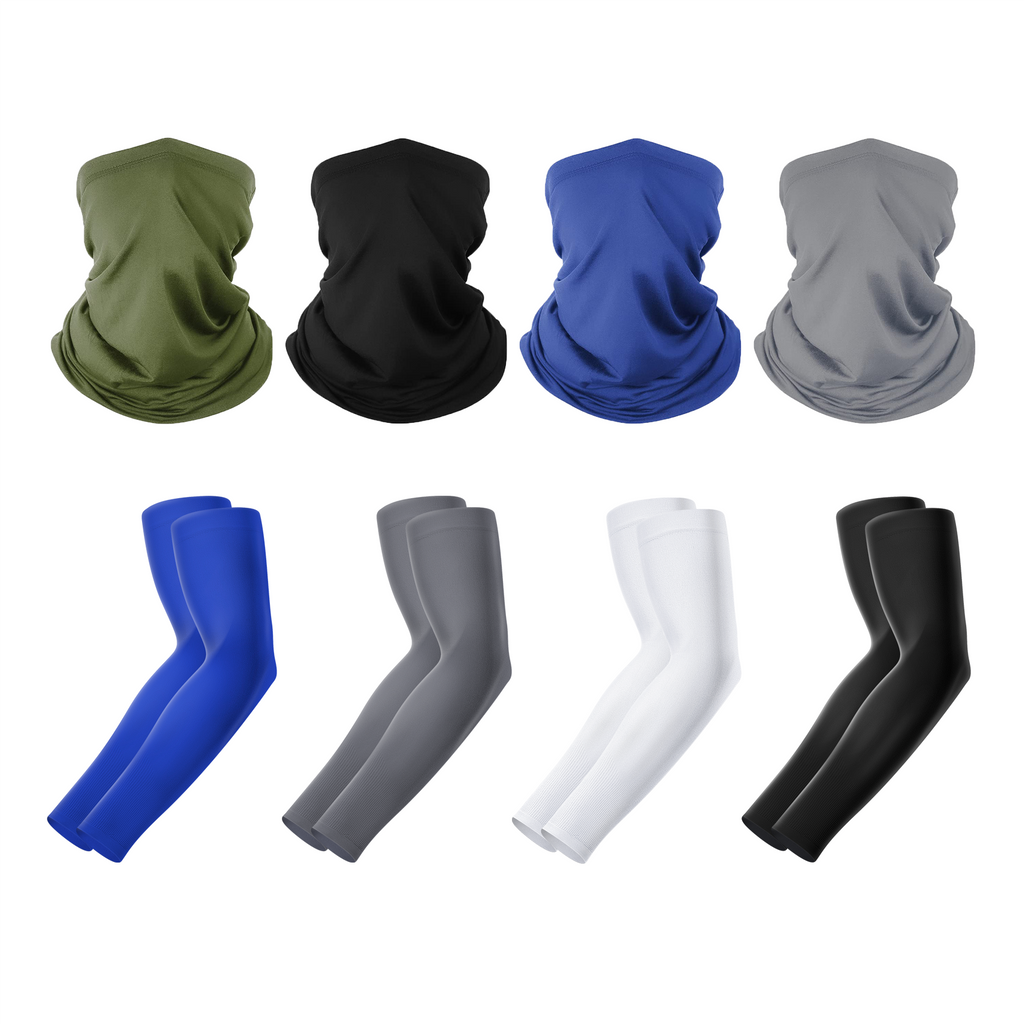
For fishing specifically, I recommend the Finvizo 6-Pack Cooling Neck Gaiter . Here's why it became my default:
The polyester-spandex blend is thin enough to breathe through but rated for real sun protection. The 17.8-inch length tucks cleanly under a fishing shirt without bunching up. Having six in the pack means I can keep two in my boat bag, two in my truck, and still have backups at home. They dry in under an hour in direct sun, so even if one gets soaked with sweat or lake water, it's ready by the next morning.
Last June, I spent eight hours on Lake Okeechobee wearing the light blue gaiter in 94°F heat. No sunburn, no heat rash, and I didn't have to touch sunscreen once. That's the test that sold me.
Pairing Your Gaiter with Arm Sleeves
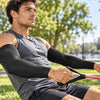
Your face and neck aren't the only targets on the water. Reflected UV hits your forearms hard, especially if you're wearing a short-sleeve fishing shirt. I pair my gaiter with Finvizo UV arm sleeves on every all-day trip.
The combination gives you full upper-body coverage: gaiter for face and neck, sleeves for arms, hat for scalp. Sunscreen becomes a backup instead of your primary defense. On a ten-hour offshore trip, that matters. If you're still deciding between coverage options, our neck gaiter vs balaclava vs arm sleeves breakdown compares all three head-to-head. And the same UPF logic works off the water — our sun protection for golfers guide covers the on-course version. The gaiter itself pulls double duty on land too; it earns a spot in our essential camping gear checklist for three-season trips.
How to Wear It on the Water
The classic neck wrap works for most fishing scenarios: pull it up over your nose when the sun is high, drop it to your chin when you need full airflow. For flats fishing where you're standing on a poling platform or casting deck with zero shade, I wear it as a full face mask and pull my hat brim down low.
One technique that took me too long to figure out: wet the gaiter before you put it on. The evaporative cooling effect is dramatic when you're standing in direct sun with no breeze. Dunk it in the lake, wring it out, and pull it on. It'll stay cool for 45 minutes to an hour. On brutal midsummer days when I want full-head coverage instead, I switch to a cooling balaclava — our cooling balaclava summer guide explains when that beats a gaiter.
Cleaning and Care After a Saltwater Trip
Salt crystals degrade fabric over time. After ocean or bay fishing, rinse your gaiter in fresh water as soon as possible. Machine wash on cold with mild detergent, no fabric softener, and hang dry. The softener coats fibers and kills the wicking performance.
I keep a gallon ziplock bag in my boat specifically for dirty gaiters. Toss it in, seal it, and deal with laundry when you're home. Otherwise, salt and fish slime will make your truck smell like a dock.
4-Pack vs 6-Pack: Which Should You Get?
| 4-Pack | 6-Pack | |
|---|---|---|
| Gaiters included | 4 | 6 |
| Best for | Weekend anglers, 1–2 trips a month | Regular anglers, 2+ trips a month |
| Spare strategy | 1 in the boat, 1 in the truck | 2 boat, 2 truck, 2 at home |
| Cost per gaiter | Good | Lower — best long-term value |
Either way, having backups means you never skip sun protection because your only gaiter is in the wash.
Frequently Asked Questions
Will a neck gaiter fog my sunglasses?
Sometimes, if you pull it too high and your breath vents upward. The fix is simple: position the top edge just below your lower eyelashes, not over your nose bridge. If you need nose coverage, look for gaiters with a fitted nose wire or wear anti-fog treated lenses.
Can I wear a neck gaiter while fly fishing without it interfering with my line?
Yes. Wear it as a loose neck wrap rather than a tight face mask. The fabric stays below your chin and doesn't interfere with casting or stripping line. I fly fish with a gaiter on every trip and have never had it catch on my line.
How long does a fishing gaiter last with regular saltwater exposure?
With proper rinsing, a quality polyester gaiter lasts two to three seasons of heavy use. The elastic recovery fades before the fabric fails—you'll notice it getting loose around the neck. At that point, retire it to yard work duty and grab a fresh one.
Is a white gaiter less protective than a black one?
Color has minimal effect on UPF-rated fabric because the UV blocking comes from the tight weave and fiber treatment, not the dye. A white UPF 50 gaiter blocks the same 98% of UV as a black one. The difference is heat: dark colors absorb more infrared and feel warmer in direct sun.
Should I get a 4-pack or a 6-pack for fishing?
If you fish more than twice a month, get the 4-Pack at minimum. You'll want spares because gaiters get sweaty, dirty, and lost. I run the 6-Pack because I split them between my boat, my truck, and my hiking pack. The per-unit cost drops significantly with the larger pack, and you'll use every single one.
How do I care for my fishing neck gaiter after exposure to saltwater?
Rinse it promptly in fresh water to remove salt crystals. Machine wash cold with mild detergent, avoid fabric softeners, and hang dry. This preserves the fabric’s wicking and UV-blocking properties.
Related reading
- Fishing Face Cover vs Neck Gaiter vs Sun Mask: What's the Difference?
- Neck Gaiter vs Buff Difference: Is There a Real One?
- Neck Warmer vs Scarf: Which Actually Keeps You Warmer?

Product Manager at Finvizo and an avid camper who tests gear on real trails. She writes from hands-on field experience to help you pick equipment that actually holds up outdoors.