Fall Camping Checklist: Gear for Cold Nights
TL;DR: A solid fall camping checklist comes down to five things: a weather-sealed tent you can pitch before dark, a sleep system rated 10°F below the coldest forecast, three clothing layers, a fire and light plan for long nights, and a wagon or pack system to haul it all. Below is the exact kit I run from late September through November, with the numbers that matter.
October camping is my favorite season — empty campgrounds, no bugs, and mornings cold enough to make coffee taste better. But fall punishes sloppy packing harder than any other season. A 75°F afternoon can collapse into a 35°F night, and if your gear list is still in summer mode, you'll spend the night shivering instead of stargazing. If you're still dialing in your shelter for cold, damp conditions, our guide on why tents get wet inside and how to stop condensation pairs well with this checklist — fall temperature swings are exactly when condensation bites hardest.
Why Fall Camping Demands a Different Kit
Summer camping forgives mistakes. Fall doesn't. Three things change the moment the calendar flips past late September:
- Temperature swings of 30°F or more between afternoon and 3 a.m. are normal in most of the US. Packing for the afternoon and forgetting the night is the classic fall rookie error.
- Daylight shrinks fast. By mid-October, sunset lands around 6:15 p.m. in most of the country. That means pitching camp, cooking, and gathering firewood all happen earlier — or in the dark.
- Condensation and frost show up nightly. Warm moist air inside your tent meets cold fabric, and everything gets damp by morning if you don't ventilate.
The National Park Service recommends checking weather forecasts and packing for conditions colder than predicted before any fall trip — advice I've learned to take literally after one memorable 28°F surprise in early October. You can find their full fall camping guidance on the NPS camping safety pages.
Shelter: The Foundation of Your Fall Camping Checklist
Your tent does two jobs in fall that it barely does in summer: block wind-driven rain and hold warmth at night. Here's what I look for, and what I actually use:
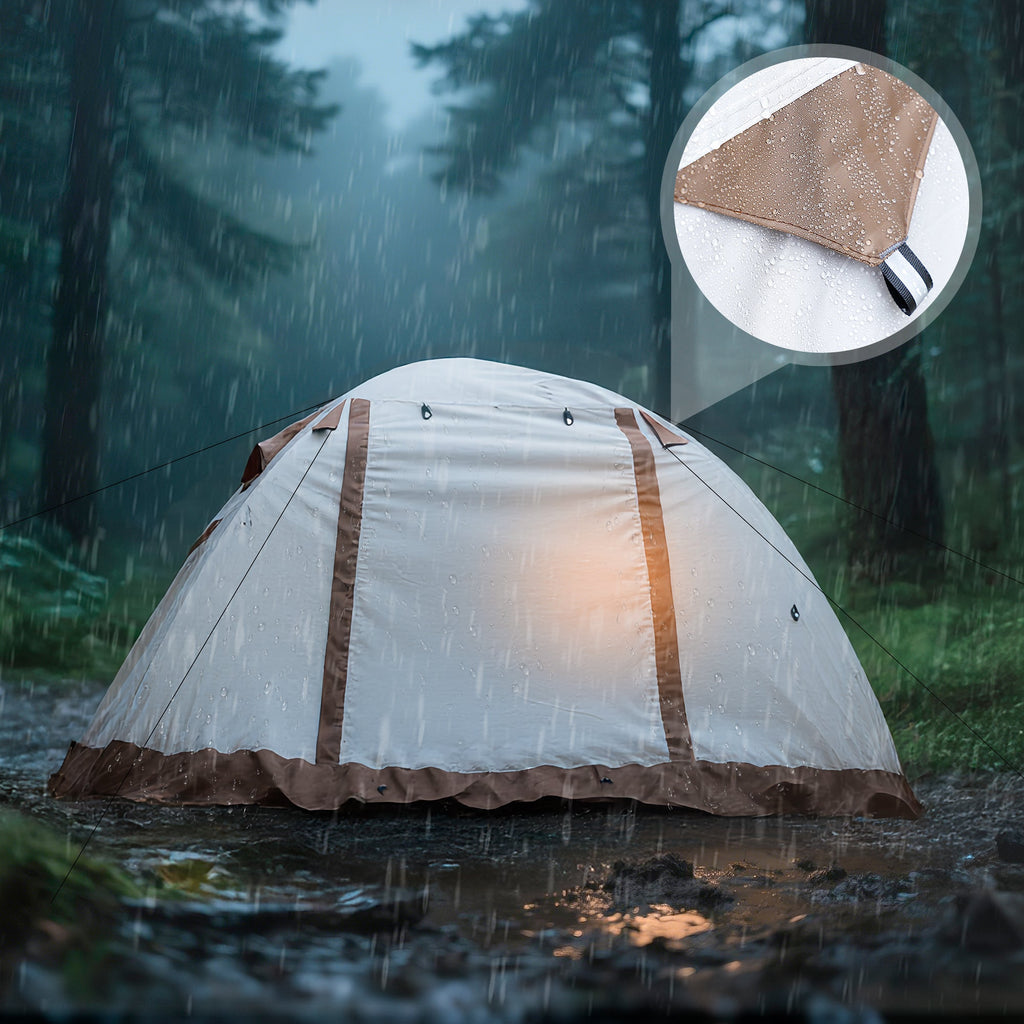
- Fast setup matters more in fall. With sunset near 6 p.m., a tent that takes 20 minutes of fiddling means pitching in the dark. My Finvizo instant pop up tent goes up in under 60 seconds with its pre-assembled hydraulic bracket — I've timed it at 47 seconds with cold fingers. It runs $109.99 for the 2-person size, and the 150D oxford fabric with PU coating has shrugged off every October drizzle I've thrown at it.
- Families or gear-heavy trips: the Finvizo camping tent with porch ($139.99 for 3-4 person) adds a covered awning where wet boots and rain jackets stay outside the sleeping area. Setup is still just about 2 minutes, which matters when kids are cold and hungry.
- Ventilation is non-negotiable. It feels wrong to open vents when it's 38°F outside, but dual mesh doors (like the ones on our pop-up) keep condensation from raining back on your sleeping bag at 4 a.m.
If you're planning a foliage trip specifically, our New England fall camping guide covers destination-specific timing and campground picks — this checklist here is the universal gear version that works anywhere.

Sleep Warm: The 20°F Rule
Here's the single most useful number in fall camping: your sleeping bag should be rated at least 10-20°F below the coldest temperature you expect. Forecast says 40°F? Bring a bag rated to 20-30°F. Comfort ratings assume you're wearing base layers and sleeping on an insulated pad — skip either and you'll be cold well above the rating.
Three sleep-system items that earn their space every fall trip:
- Insulated sleeping pad (R-value 4+). The ground steals more heat than the air. An air pad without insulation is a cold convection machine in October.
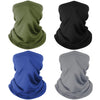
- A beanie for sleeping. You lose meaningful heat through your head, and a knit cap inside the sleeping bag is the cheapest warmth upgrade there is. I keep a Finvizo beanie 4-pack ($23.99) in the gear bin — one for sleeping, one for mornings, spares for whoever forgot theirs.
- Dry sleep clothes, sealed in a bag. Whatever you wore hiking stays out of the sleeping bag. Damp fabric at 35°F is misery.
Cold-related risk is real, not theoretical — the National Weather Service's cold safety guidance covers hypothermia signs every fall camper should recognize, especially the "umbles" (fumbles, mumbles, stumbles) that signal trouble.
Clothing: Layer for 30-Degree Swings
Fall dressing is a three-layer system, and the checklist version is simple:
- Base layer: synthetic or merino, never cotton. Cotton holds sweat and accelerates heat loss once temperatures drop.
- Mid layer: fleece or a light puffy that traps warm air. This is your evening-campfire layer.
- Shell: windproof at minimum, waterproof preferred. Fall wind cuts through fleece like it's not there.
Add warm socks you only wear in camp, gloves thin enough to cook in, and that beanie. The whole extra kit weighs about 2 pounds and fits in one stuff sack — cheap insurance against a forecast that's wrong in the wrong direction.
Camp Chores: Fire, Light, and Water in the Dark
With night arriving by 6:30 p.m., camp chores need a plan:
- Firewood first. Collect and stack it while you can still see. Wet fall wood needs kindling — I pack a small bag of fatwood or dryer lint in wax as a guaranteed starter.
- Two light sources minimum. A headlamp per person, plus a lantern for the cooking area. Check batteries before every trip; cold drains them faster.
- Water plan. Some campgrounds shut off spigots after the first frost. Call ahead or carry 1 gallon per person per day as backup.
- Arrive early. My hard rule for fall: wheels stop rolling at least 2 hours before sunset. A 60-second tent setup means nothing if you're fighting stakes and guylines by headlamp.
The One-Minute Fall Camping Checklist — print this and tape it to your gear bin:
- Tent with rainfly, stakes, and guylines (test the setup at home once)
- Sleeping bag rated 10-20°F below forecast low
- Insulated pad (R-value 4+)
- Base layer + fleece + windproof shell per person
- Beanie, gloves, dedicated dry sleep clothes
- Headlamp + lantern + spare batteries
- Fire kit: fatwood or lint starters, two lighters, firewood plan
- 1 gallon water per person per day (if spigots are off)
- First aid kit + hand warmers
- Camp chairs and a wagon or pack to haul everything from the car
Fall camping rewards the prepared with the best campsites of the year — quiet, crisp, and crowded with nobody. Get the kit right once, and October becomes the season you wait for. And when the nights drop below freezing for real, our winter hat guide for cold weather picks up where this checklist leaves off.
Frequently Asked Questions
What temperature is too cold for fall camping?
With a 20°F-rated bag, insulated pad, and proper layers, most healthy adults camp comfortably down to freezing (32°F). Below 20°F, you enter territory that needs four-season gear and real experience — build up to it.
Is a 3-season tent enough for fall camping?
Yes, for typical fall conditions down to freezing. A quality 3-season tent with a full-coverage rainfly and good ventilation handles rain, wind, and frost. Four-season tents are for snow loading and mountaineering winds, not October weekends.
How do I stop condensation in my tent during fall?
Ventilate even when it's cold — crack both doors or vents to let moist air escape, keep wet gear in the vestibule or porch, and avoid touching tent walls at night. Our condensation guide walks through the full fix list.
What should I wear to sleep while fall camping?
Dry synthetic or merino base layers, warm socks, and a beanie. Never sleep in the clothes you hiked in — trapped moisture wicks heat away all night.
When is the best month for fall camping?
Late September through mid-October in most of the US: peak foliage, fewer crowds, and nighttime lows still mostly above freezing. November camping is quieter but demands the full cold-weather kit above.
Related reading
- Camping Gear Feature Comparison Guide
- Digital Nomad Outdoor Setup: Work from the Wilderness
- Camping Gear Setup & Takedown: A Step-by-Step Field Guide

Vivian J is a Product Manager at Finvizo and an avid outdoor enthusiast. She tests gear on real trails and writes from hands-on field experience to help readers choose equipment that performs reliably outdoors.