Camping Gear Selection Guide
Choosing camping gear means matching your trip type, season, and group size to balance comfort, weight, and durability for the best outdoor experience.
Camping Gear Selection Guide
Selecting camping gear is not about finding the most advanced setup. The goal is to choose equipment that matches terrain, weather conditions, travel style, and expected comfort level. A thoughtful approach makes packing more efficient and improves the overall outdoor experience.
Identify Your Camping Needs Before Selecting Camping Gear
Many buying mistakes happen because gear is chosen before defining actual usage scenarios.
Match Camping Gear to Activity Type
Different outdoor activities create different equipment requirements.
Camping gear for short recreational weekends usually emphasizes convenience and fast setup.
Long-distance outdoor trips often require compact design, efficient storage, and dependable performance over repeated use.
Consider Seasonal Conditions
Environmental conditions influence gear selection more than appearance or specifications.
Think about:
- Temperature range
- Wind exposure
- Humidity levels
- Rain probability
- Ground conditions
Camping gear that performs well in one season may feel unsuitable in another.
Estimate Group Size and Space Requirements
The number of people involved affects organization and comfort.
When selecting camping gear, leave enough room for movement, storage, and practical daily use instead of calculating only minimum capacity.
Evaluate Functionality Instead of Feature Quantity
More functions do not always create better outdoor performance.
Focus on Ease of Use
Camping gear should reduce effort rather than increase setup time.
Look for equipment characteristics such as:
- Straightforward assembly
- Intuitive adjustment
- Efficient storage layout
- Consistent operation
Practical design becomes more noticeable during repeated trips.
Examine Construction Quality
Durability affects long-term value.
Useful factors to evaluate include:
- Structural reinforcement
- Material consistency
- Resistance to wear
- Reliability during repeated handling
Well-built camping gear often remains comfortable and efficient over time.
Check Ventilation and Moisture Control
Outdoor environments constantly introduce moisture through weather and normal use.
Good camping gear should support:
- Air circulation
- Fast drying
- Reduced condensation
- Comfortable airflow
These details can significantly influence outdoor comfort.
Balance Weight, Portability, and Comfort
Selecting camping gear requires finding an appropriate balance rather than maximizing a single feature.
Avoid Packing Beyond Actual Needs
Extra equipment often increases carrying effort without improving the experience.
Choose camping gear according to realistic use frequency.
Consider Packed Size Along With Weight
Compact gear creates more flexible storage options.
Evaluate whether the equipment:
- Packs efficiently
- Fits transportation limits
- Organizes easily
- Leaves room for essentials
Prioritize Adaptability
Flexible camping gear supports changing conditions and different trip styles.
Versatile equipment may remain useful across multiple environments and reduce future replacement needs.
Make Long-Term Decisions When Selecting Camping Gear
Good gear selection is usually built through experience instead of one-time purchasing.
Leave Room for Future Adjustments
Outdoor preferences evolve.
Selecting camping gear with flexibility allows gradual improvements without rebuilding an entire setup.
Think About Cleaning and Storage
Maintenance influences how long camping gear stays usable.
Before making decisions, consider:
- Cleaning difficulty
- Drying requirements
- Storage conditions
- Maintenance frequency
Build an Efficient System Instead of Individual Choices
Camping gear works best when each piece supports the others.
A balanced setup improves mobility, organization, and comfort while keeping preparation simple for future outdoor trips.
Key Camping Gear Facts
| Gear Item | Key Feature | Metric |
|---|---|---|
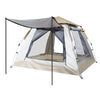
| Finvizo 2/4 Person Instant Tent | Setup time | 60 seconds |
| Finvizo 3-4/6-8 Person Cabin Tent | Setup time | About 2 minutes |
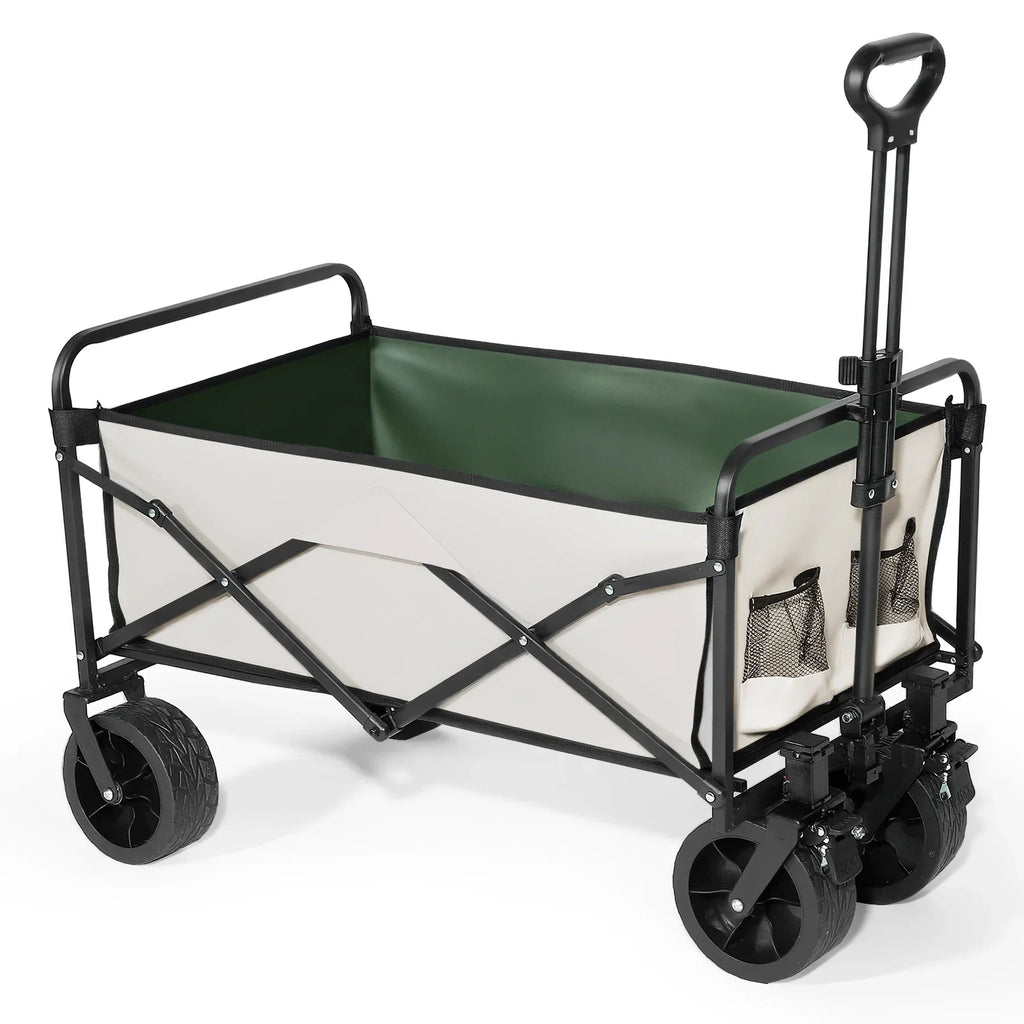
| Collapsible Wagon Cart | Load capacity | 600 lb |
| 45L Hiking Backpack with Airflow | Capacity / Max load / Weight | 45L / 44 lb / 2.87 lb |
| 50L Camping Backpack | Capacity / Max load / Weight | 50L / 38 lb / 2.51 lb |
| Cooling Balaclava | Sun protection rating | UPF 50+ |
| Winter Neck Warmer Gaiter | Size | 11.5 × 10 in |
Data verified on 2026-09-16. Source: Finvizo official product pages.
Camping Gear Comparison Table
| Feature / Gear Type | Instant Pop-Up Tent (2-4 Person) | Lightweight Backpacking Tent (2 Person) | Collapsible Wagon Cart |
|---|---|---|---|
| Setup Time | 60 seconds | Several minutes, manual assembly | N/A (used for gear transport, no setup) |
| Capacity | Suitable for 2–4 people | Designed for 1–2 people | Load capacity up to 600 lb |
| Portability | Packs compactly, heavier than ultralight tents | Packs very small and light | Foldable, compact for transport |
| Durability | Water-resistant, good for casual use | Durable materials for rough conditions | Strong frame, reinforced fabric |
| Best Use | Weekend camping, fast setup | Backpacking, multi-day trips | Transporting gear from vehicle to campsite |
| Limitations | Bulkier than backpacking tents | Requires longer setup time, less convenient for beginners | Not ideal for rough terrain without large wheels |
Step 1: Define Your Trip Type and Duration
- For weekend or short trips, prioritize quick-setup tents like the Finvizo 2/4 Person Instant Pop Up Camping Tent.
- For multi-day or backpacking trips, select lightweight, compact gear such as the 2-Person Lightweight Backpacking Tent.
Step 2: Assess Environmental Conditions
- For warm, sunny weather, use cooling gear like Finvizo’s neck gaiters and balaclavas with UPF 50+ protection.
- For cold or windy conditions, opt for winter balaclavas, fleece neck warmers, and insulated equipment.
Step 3: Evaluate Group Size and Storage Needs
- Solo or couple trips are best served by smaller tents and backpacks.
- Family or group trips benefit from larger tents with porches and wagon carts for easier gear transport.
- Camping with seniors or anyone who prefers low-effort gear? Our senior-friendly camping gear picks focus on easy setup and lighter carries.
Step 4: Balance Weight, Portability, and Comfort
- When carrying gear over long distances, prioritize lightweight and compact options.
- For car camping, heavier gear with more comfort features is acceptable.
Step 5: Consider Long-Term Use and Maintenance
- Choose durable gear that can withstand repeated use.
- Check cleaning, drying, and storage requirements to ensure your gear lasts.
Following these steps will help you build a camping setup tailored to your specific needs, improving comfort and enjoyment outdoors.
For more context, see Camping Gear Buying Tips and Camping Gear Usage Guide.
.
Frequently Asked Questions
How do I choose the right camping gear for my trip?
When I select gear, I focus on matching my equipment to the terrain, weather, and my specific travel style. Instead of looking for the most advanced tech, I prioritize my expected comfort level and the actual activity type. I have found that defining my usage scenarios first prevents common buying mistakes and ensures my pack is efficient for the specific environment I am heading into.
Should I prioritize gear features or functionality?
In my experience, more features do not always mean better performance. I prioritize functionality by looking for ease of use, such as straightforward assembly and intuitive adjustments. I look for practical designs that reduce effort during setup. When I test gear, I focus on whether the equipment makes my trip easier and more organized rather than how many bells and whistles it has.
How do I balance gear weight with comfort?
Finding the right balance is key. I avoid packing beyond my actual needs because extra equipment just increases carrying effort without necessarily improving my experience. I always consider the packed size alongside the weight, as compact gear makes storage much more flexible. My goal is to choose items that fit my transportation limits while still providing the comfort I need for the specific trip.
What should I look for regarding gear durability?
Durability is essential for long-term value. When I evaluate gear, I look for structural reinforcement, material consistency, and how well the item resists wear during repeated handling. I have learned that well-built gear remains comfortable and efficient over time. I also consider how easy the item is to clean and store, as proper maintenance significantly influences how long my gear stays in usable condition.
Does seasonal weather affect which camping gear I should buy?
Absolutely. Environmental conditions influence my gear selection more than any other factor. I always consider the temperature range, wind exposure, humidity, and rain probability of my destination. Gear that works perfectly for a summer weekend might be completely unsuitable for a different season. I choose my equipment based on the specific environmental challenges I expect to face to ensure I stay comfortable.
Related reading
- Camping Gear Feature Comparison Guide
- Digital Nomad Outdoor Setup: Work from the Wilderness
- Camping Gear Setup & Takedown: A Step-by-Step Field Guide

Product Manager at Finvizo and an avid camper who tests gear on real trails. She writes from hands-on field experience to help you pick equipment that actually holds up outdoors.