Camping Gear Preventive Maintenance
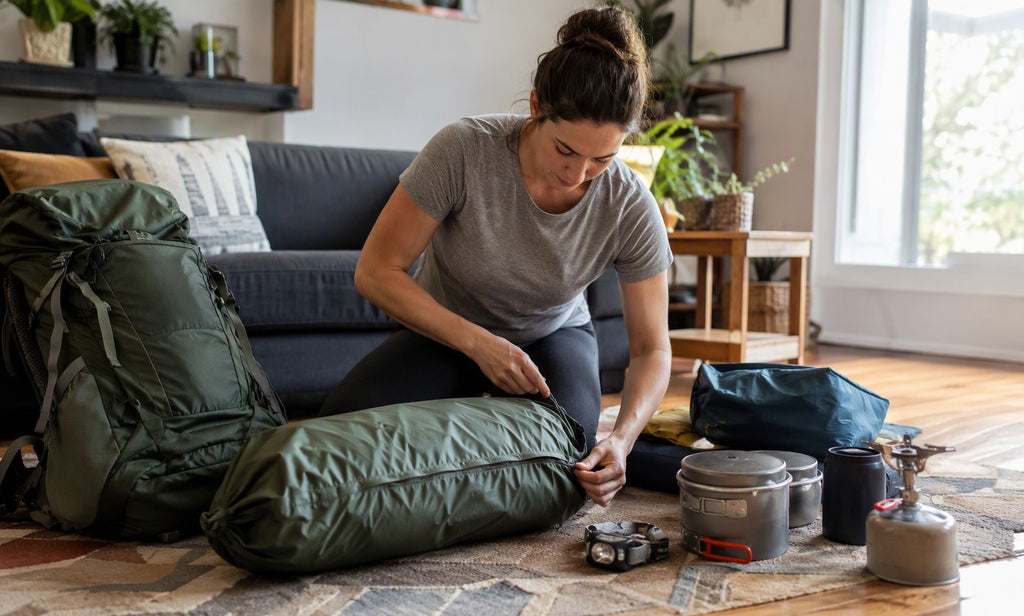
Camping Gear Preventive Maintenance
Preventive maintenance helps camping gear remain dependable before problems appear. Outdoor equipment is regularly exposed to dust, moisture, temperature changes, repeated packing, and environmental stress. A preventive approach focuses on inspection, cleaning, storage, and early adjustments to maintain long-term usability.
Inspect Camping Gear Before Problems Develop
Regular inspection is one of the most effective preventive maintenance habits.
Perform Pre-Trip Equipment Checks
Before every outdoor trip, inspect camping gear carefully.
Look for:
- Surface wear
- Areas of repeated stress
- Loose components
- Signs of environmental exposure
Early attention may help prevent larger maintenance issues later.
Examine Hidden and High-Use Areas
Preventive maintenance should include areas that are often overlooked.
Inspect:
- Folded sections
- Storage compartments
- Ventilation openings
- Frequently handled surfaces
These locations often experience gradual wear over time.
Track Equipment Condition Consistently
Monitoring changes helps create better maintenance habits.
Pay attention to:
- Cleaning frequency
- Usage patterns
- Storage conditions
- Repeated maintenance needs
Keep Camping Gear Clean to Reduce Long-Term Wear
Routine cleaning supports preventive maintenance efforts.
Remove Dirt After Outdoor Use
Outdoor residue may become more difficult to manage if left untreated.
Maintenance habits may include:
- Removing loose debris
- Cleaning exposed surfaces
- Emptying storage sections
- Inspecting enclosed areas
Consistent cleaning may reduce buildup.
Manage Moisture Before Storage
Moisture control helps maintain camping gear condition.
Useful practices include:
- Increasing airflow
- Drying exposed areas
- Separating damp equipment
- Avoiding trapped humidity
Managing moisture early may support long-term reliability.
Avoid Intensive Cleaning Too Frequently
Preventive maintenance focuses on consistency rather than excessive intervention.
Use cleaning methods that support:
- Gradual care
- Controlled handling
- Stable maintenance routines
- Reduced unnecessary wear
Store Camping Gear to Support Preventive Care
Storage conditions influence maintenance effectiveness.
Confirm Complete Drying
Before storing camping gear:
- Inspect enclosed spaces
- Remove remaining moisture
- Improve ventilation
- Recheck previously damp areas
Dry storage conditions may support future usability.
Maintain Organized Storage Areas
Arrange camping gear so it remains:
- Easy to access
- Simple to inspect
- Protected from unnecessary exposure
- Ready for future use
Reduce Storage Stress
Avoid storage habits that may create unnecessary pressure or reduce equipment organization.
Build Long-Term Preventive Maintenance Habits
Preventive maintenance becomes more effective when performed consistently.
Schedule Periodic Maintenance Sessions
Inspect camping gear regularly even between trips.
Review:
- Equipment condition
- Storage environment
- Areas with repeated use
- Overall readiness
Adjust Maintenance Based on Outdoor Frequency
Camping gear used more often may require shorter maintenance intervals and more frequent inspections.
Treat Maintenance as Part of Outdoor Preparation
Inspection, cleaning, drying, organization, and storage work together to support dependable camping gear performance across repeated outdoor use.
Frequently Asked Questions
How often should I inspect my camping gear?
I make it a habit to perform a thorough inspection before every single outdoor trip. During these checks, I look for surface wear, loose components, and signs of environmental stress. I also make sure to examine hidden areas like folded sections and ventilation openings, as these spots often experience gradual wear that can be easily overlooked if you are not paying close attention.
What is the best way to handle moisture when storing gear?
Managing moisture is critical for long-term reliability. Before I store anything, I always confirm that the gear is completely dry by inspecting enclosed spaces and improving airflow. I make sure to separate any damp equipment and avoid trapping humidity. If I find moisture, I address it early to ensure the gear remains in good condition for my next outing.
Should I clean my gear after every single use?
Yes, I recommend removing loose debris and cleaning exposed surfaces after every trip. If you leave residue untreated, it becomes much harder to manage later. However, I avoid intensive cleaning too frequently. My approach focuses on consistent, gradual care rather than excessive intervention, which helps prevent unnecessary wear on the materials while keeping everything ready for the next adventure.
How does the frequency of my trips change my maintenance schedule?
In my experience, gear used more often requires shorter maintenance intervals and more frequent inspections. I treat maintenance as a core part of my outdoor preparation rather than an occasional chore. By scheduling periodic sessions between trips to review equipment condition and storage environments, I ensure my gear stays dependable and ready for the trail regardless of how often I head out.
Related reading
- Camping Gear Feature Comparison Guide
- Digital Nomad Outdoor Setup: Work from the Wilderness
- Camping Gear Setup & Takedown: A Step-by-Step Field Guide

Vivian J is a Product Manager at Finvizo and an avid outdoor enthusiast. She tests gear on real trails and writes from hands-on field experience to help readers choose equipment that performs reliably outdoors.